
- Home page
- buying guide
- windsurf board
windsurf board
windsurf board: A technical guide
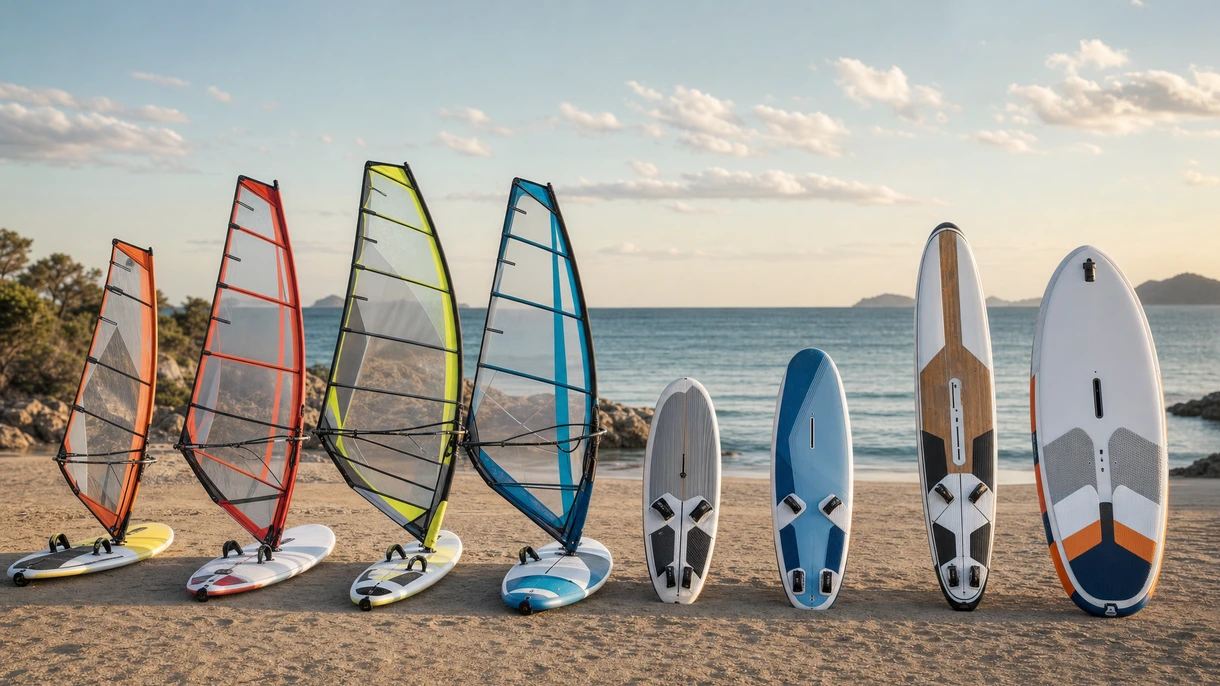
4 Criteria to choose your windsurf board
Hull Structural Rigidity
Maximizing energy transfer from rig to water requires high-modulus materials that prevent torsional flex during high-load planing maneuvers.
Volume Displacement Precision
Precise buoyancy distribution ensures predictable handling characteristics for professional fleet training and consistent performance across varying water conditions.
Component Interface Compatibility
Standardized track and fin box systems facilitate seamless integration with diverse external hardware and simplify fleet maintenance protocols.
Surface Durability Rating
High-impact resistance layers reduce maintenance downtime and extend the operational lifecycle for high-utilization commercial rental and training centers.
Available technologies and advantages
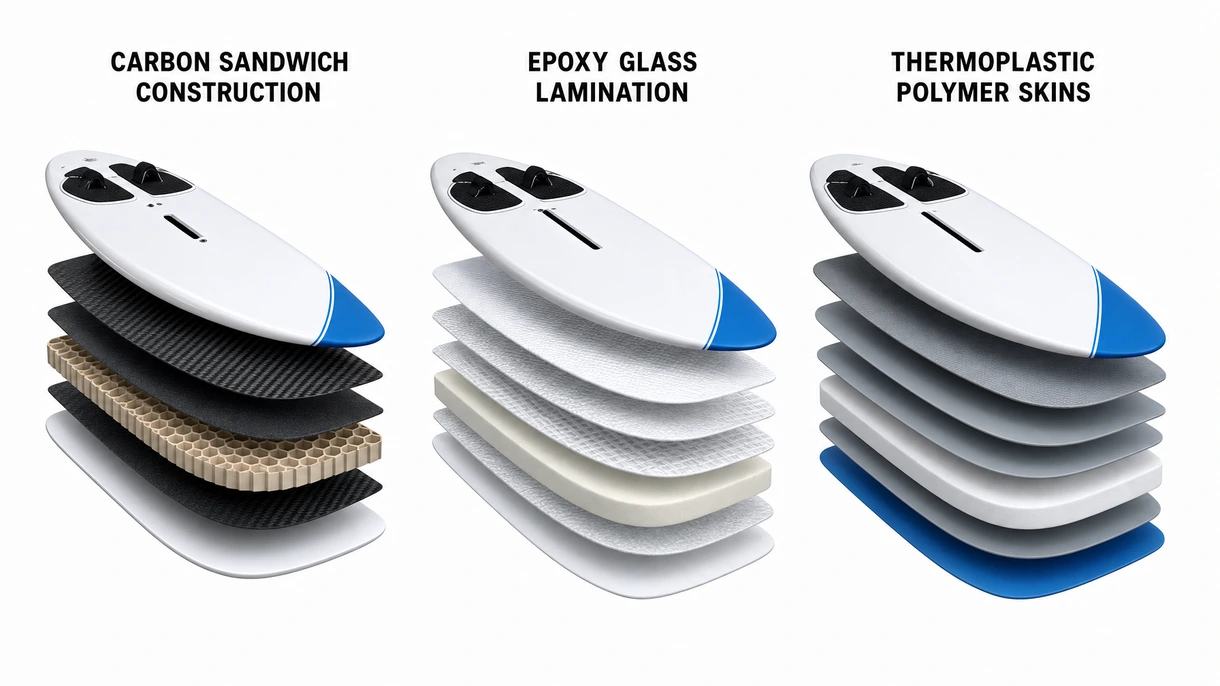
Carbon Sandwich Construction
Utilizes vacuum-bagged carbon fiber over polymer foam cores to achieve the highest strength-to-weight ratios for professional racing applications. This provides extreme rigidity but increases susceptibility to point-loading damage.
Epoxy Glass Lamination
Employs multi-axial fiberglass layers with epoxy resin to balance manufacturing costs and structural integrity. It offers superior impact resistance compared to carbon while being heavier and less responsive.
Thermoplastic Polymer Skins
Features a molded core encased in a durable polymer shell designed specifically for high-frequency usage in maritime schools. This technology prioritizes longevity and cost-efficiency over technical performance and lightweight handling.
6 expert tips
Prioritize carbon sandwich constructions to maximize fleet performance and maintain high resale value within competitive maritime racing markets.
Evaluate hull volume distribution against specific local wind gradients to optimize the operational window for commercial charter activities.
Select boards with standardized fin box systems to ensure cross-compatibility with existing maritime equipment and reduce inventory costs.
Negotiate comprehensive bulk procurement contracts that include tiered maintenance support and spare parts availability for large scale fleets.
Always verify the technical certification to ensure compliance with local building safety standards and long-term durability.
Conduct detailed life cycle cost assessments to compare initial acquisition prices against projected repair intervals for heavy usage.
Innovations and Trends
Tuttle boxes reinforced with carbon patches allow seamless transition to foiling, extending operational use in light winds.
Adoption of expanded polystyrene cores derived from maritime waste reduces environmental footprints and aligns with new sustainability regulations.
Implementing plant-derived epoxy resins maintains structural integrity while meeting strict European environmental standards for marine manufacturing processes.
Utilizing computer-aided design for precision milling ensures identical performance across entire fleets for standardized professional sailing competitions.
*Prices are pre-tax. They exclude delivery charges and customs duties and do not include additional charges for installation or activation options. Prices are indicative only and may vary by country, with changes to the cost of raw materials and exchange rates.
About NauticExpo
NauticExpo is a marketplace that offers B2B players a complete experience, from product sourcing to purchase. NauticExpo is an entity of VirtualExpo Group.
Are you a buyer?
Are you a supplier?