
- Home page
- buying guide
- fixed-pitch propeller
fixed-pitch propeller
fixed-pitch propeller: A technical guide
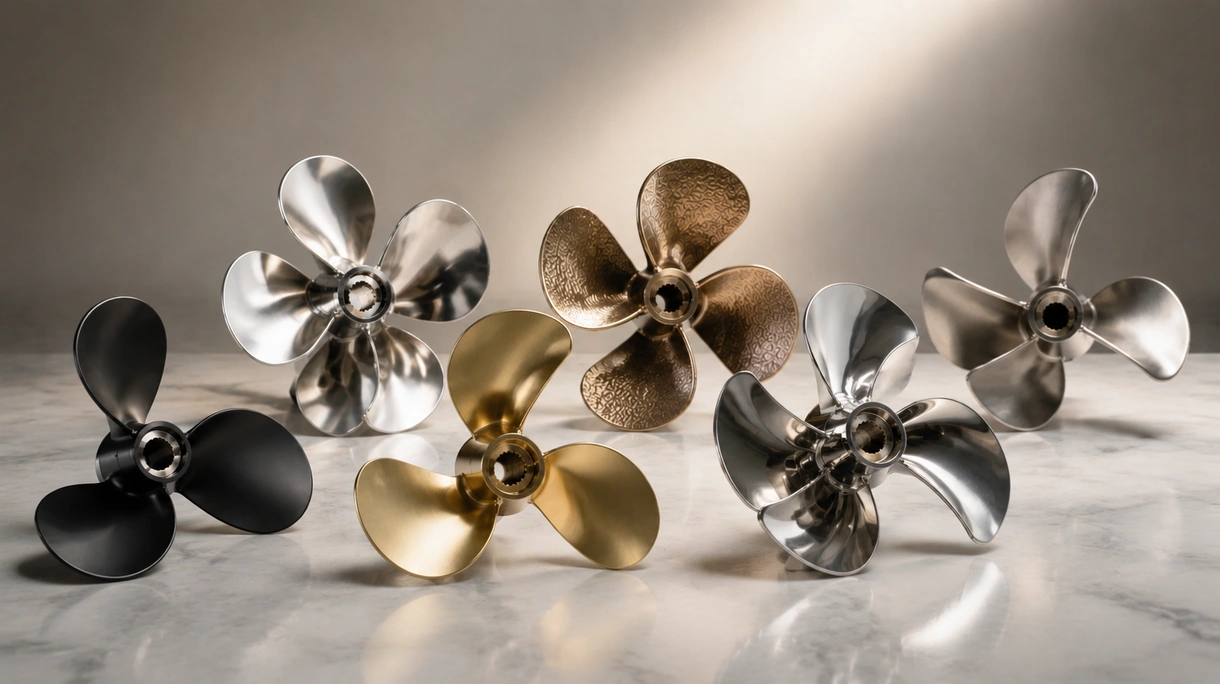
4 Criteria to choose your fixed-pitch propeller
Propulsive Efficiency Optimization
FPP design must align precisely with engine torque curves and hull resistance to maximize fuel economy during transit speeds.
Cavitation Inception Margin
Engineers prioritize blade surface area and loading to prevent erosion and noise, ensuring long-term structural integrity and passenger comfort.
Material Fatigue Resistance
Selecting nickel-aluminum bronze alloys over manganese bronze ensures superior corrosion resistance and durability in harsh marine environments.
Hydrodynamic Profile Accuracy
Precise machining tolerances are vital for balancing thrust across all blades, reducing vibration-induced wear on shafting and bearings.
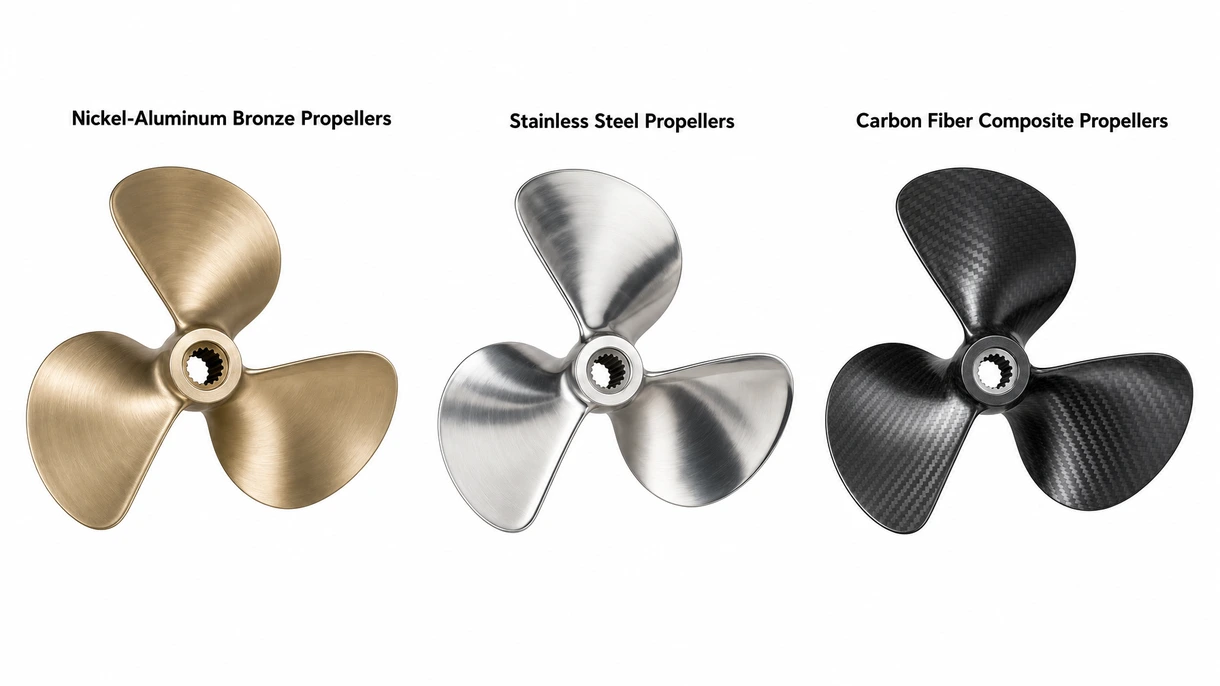
Available technologies and advantages
Nickel-Aluminum Bronze Propellers
This alloy remains the maritime standard for commercial vessels due to superior strength and cavitation resistance. It offers excellent repairability but requires strict cathodic protection during extended mooring.
Stainless Steel Propellers
Prevalent in high-speed workboats, these units provide extreme impact resistance and rigidity for thin profiles. While offering durability against debris, weight and potential galvanic corrosion require careful hull anode integration.
Carbon Fiber Composite Propellers
These advanced units reduce rotational inertia, significantly improving engine acceleration and reducing underwater acoustic signatures. However, high procurement costs and limited repair options compared to metals restrict their wider application.
6 expert tips
Prioritize custom-pitched geometries over stock alternatives to maximize annual fuel savings and reduce total engine maintenance expenditures significantly.
Conduct thorough sea trials with torsion meters to validate that propeller load matches the engine manufacturer peak performance specifications.
Require highest ISO classification manufacturing tolerances to minimize vibration risks and extend the life of shaft bearings.
Specify nickel-aluminum bronze alloys for all blue-water applications to ensure highest resistance against cavitation erosion and electrochemical corrosion.
Evaluate the return on investment for high-efficiency nozzle integrations when operating vessels primarily at lower towing or pushing speeds.
Always verify the technical certification to ensure compliance with local building safety standards and long-term durability.
Innovations and Trends
Computational Fluid Dynamics allows for bespoke blade geometries that increase fuel efficiency through reduced tip vortex formation.
Wire Arc Additive Manufacturing enables rapid production of complex geometries, reducing lead times for critical shipyard repair schedules.
Biomimetic edge treatments inspired by whale fins improve hydrodynamic lift and reduce acoustic signatures for sensitive research operations.
Advanced graphene-based coatings minimize biofouling on blade surfaces, maintaining design efficiency and reducing the frequency of underwater cleaning.
*Prices are pre-tax. They exclude delivery charges and customs duties and do not include additional charges for installation or activation options. Prices are indicative only and may vary by country, with changes to the cost of raw materials and exchange rates.
About NauticExpo
NauticExpo is a marketplace that offers B2B players a complete experience, from product sourcing to purchase. NauticExpo is an entity of VirtualExpo Group.
Are you a buyer?
Are you a supplier?