
- Home page
- buying guide
- control lever
control lever
control lever: A technical guide
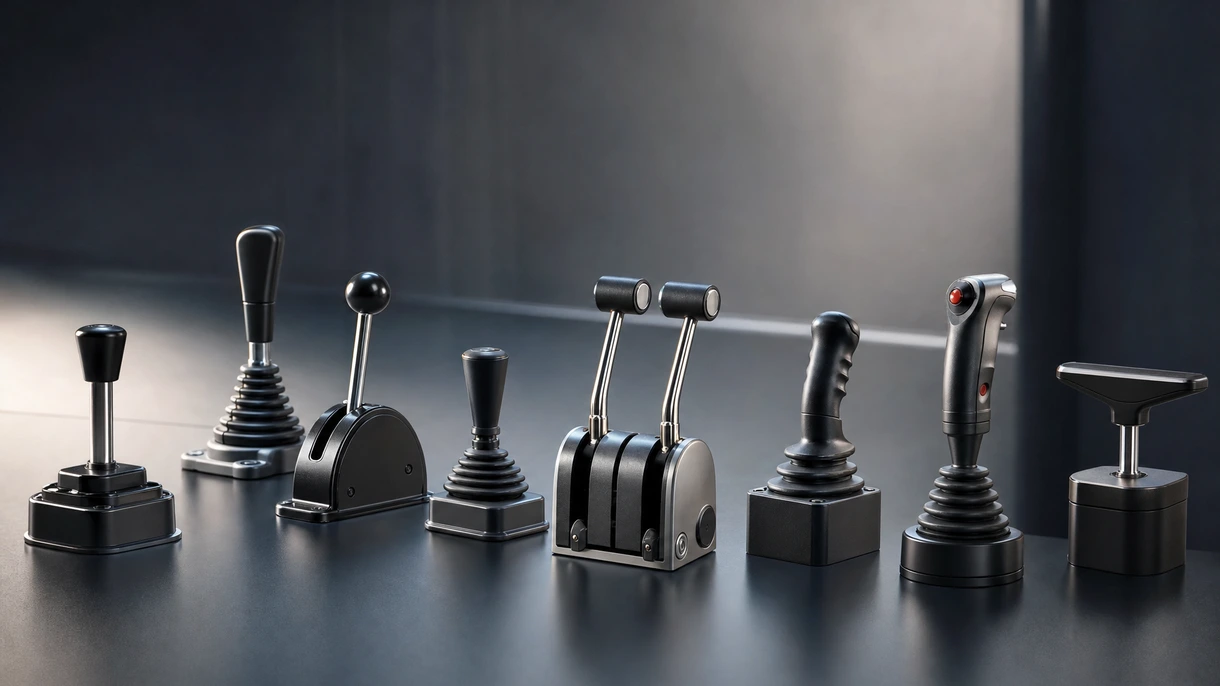
4 Criteria to choose your control lever
Ergonomic Precision and Feedback
Operators require haptic resistance to ensure accurate throttle modulation and gear engagement during high-stress docking maneuvers in congested ports.
System Protocol Compatibility
Selection must align with NMEA two thousand or J nineteen thirty nine backbone requirements to ensure seamless integration with engines.
Environmental Protection Rating
Components must provide IP sixty seven sealing to prevent internal salt mist corrosion and electrical failure in exposed flybridge environments.
Redundant Fail Safe Modes
Integrated emergency backup systems are vital to maintain command over propulsion if the primary electronic bus communication fails.
Available technologies and advantages
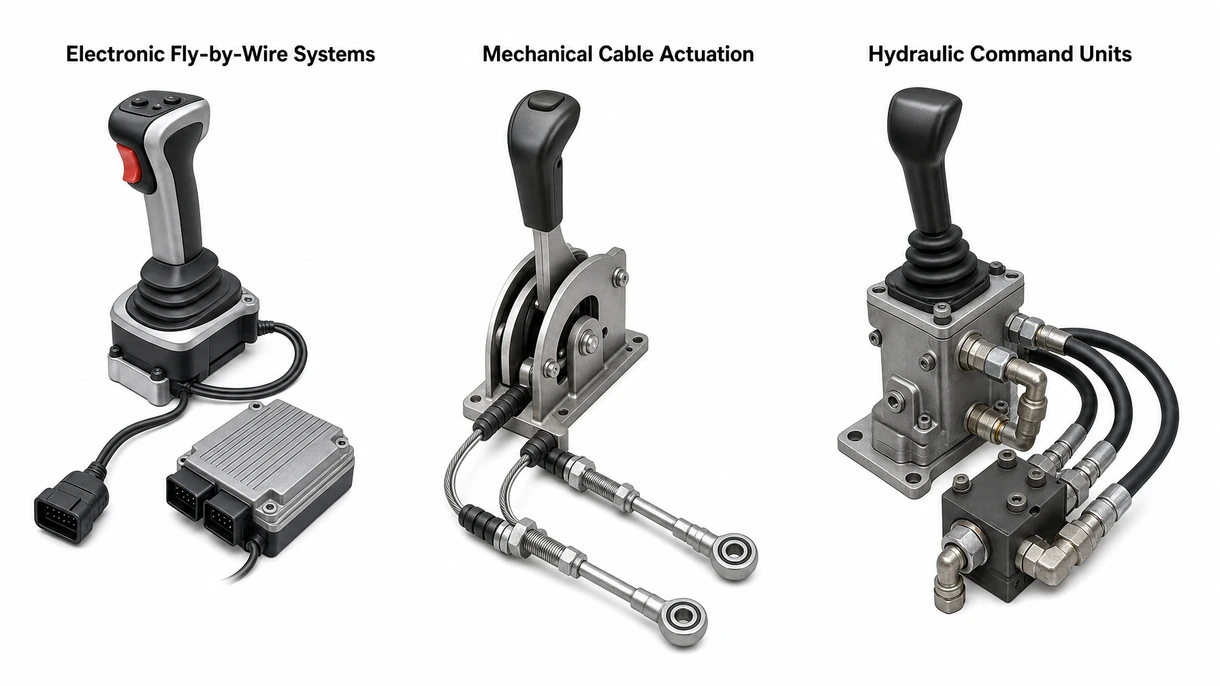
Electronic Fly-by-Wire Systems
High-precision digital signals transmit commands via CAN bus, eliminating mechanical friction while allowing for multi-station synchronization and dynamic positioning integration. These offer superior accuracy and easier installation across multiple decks, although they depend on stable onboard electrical power.
Mechanical Cable Actuation
Traditional push-pull cables provide direct tactile connection but suffer from friction loss over distance, requiring periodic lubrication and adjustment for accuracy. They remain the most cost-effective choice for small vessels, though cable length and bends severely limit mounting flexibility.
Hydraulic Command Units
These utilize pressurized fluid for heavy-duty applications, offering massive force transmission for large vessels despite increased maintenance complexity and weight. They provide extreme durability for commercial fleets, but potential fluid leaks represent a significant environmental and operational risk.
6 expert tips
Prioritize levers featuring redundant CAN bus outputs to ensure continuous propulsion control during critical vessel navigation and docking operations.
Specify marine-grade stainless steel components with high IP ratings to withstand permanent exposure to corrosive saltwater and ultraviolet radiation.
Select ergonomic designs that accommodate gloved operation to maintain precise throttle control during adverse weather conditions and cold-water missions.
Ensure full compatibility with existing engine management software to prevent latency issues that could compromise rapid response maneuvers.
Invest in modular control heads that allow for easy component replacement without requiring the removal of entire console assemblies.
Verify that tactile detents are clearly defined to provide pilots with immediate physical confirmation of neutral and gear positions.
Always verify the technical certification to ensure compliance with local building safety standards and long-term durability.
Innovations and Trends
Smart levers provide active vibrations to alert operators of engine anomalies or proximity to obstacles during complex docking maneuvers.
Secure low latency radio links enable remote vessel maneuvering from any deck position, significantly improving visibility during mooring operations.
Internal monitoring systems track lever cycles and resistance changes to predict potential failures before they compromise overall vessel safety.
Virtual control interfaces are merging with physical levers to provide unified data overlays on integrated professional helm workstations.
*Prices are pre-tax. They exclude delivery charges and customs duties and do not include additional charges for installation or activation options. Prices are indicative only and may vary by country, with changes to the cost of raw materials and exchange rates.
About NauticExpo
NauticExpo is a marketplace that offers B2B players a complete experience, from product sourcing to purchase. NauticExpo is an entity of VirtualExpo Group.
Are you a buyer?
Are you a supplier?