
- Home page
- buying guide
- patrol boat
patrol boat
patrol boat: A technical guide
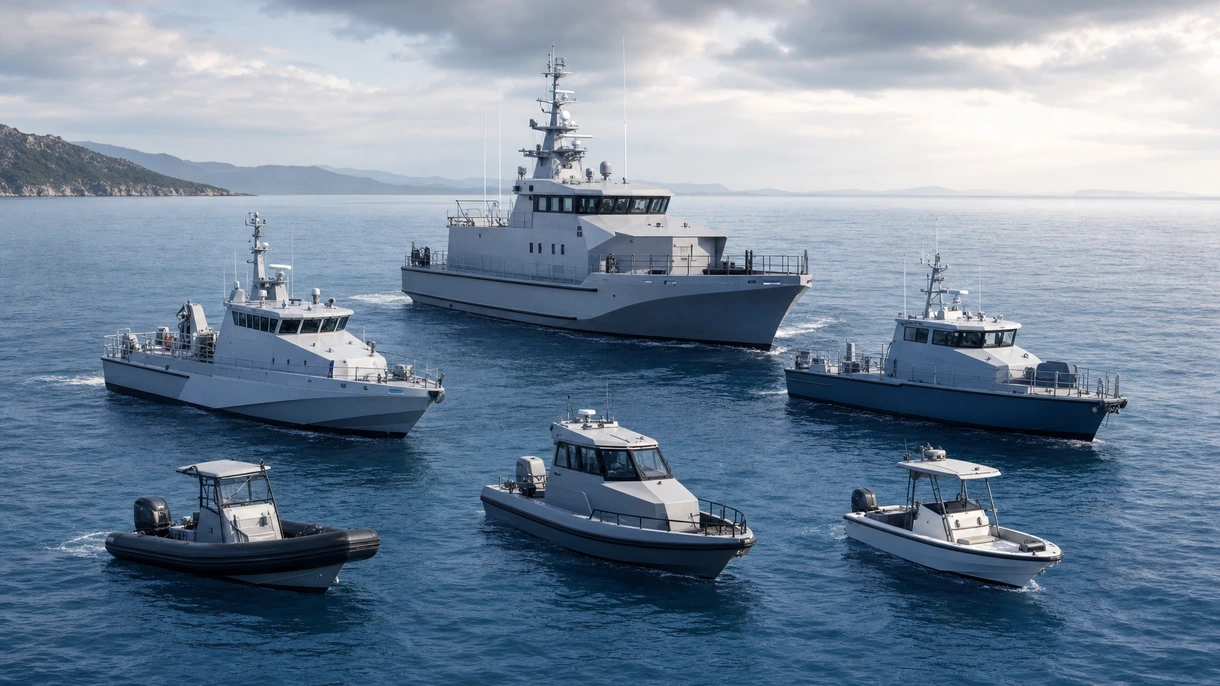
4 Criteria to choose your patrol boat
Hull Efficiency and Seakeeping
Optimized hull designs ensure stable platforms for high-speed intercepts and crew endurance during extended maritime surveillance missions.
System Integration Redundancy
Dual-redundant propulsion and navigation systems prevent mission failure during critical tactical maneuvers in offshore environmental conditions.
Material Strength to Weight
High-grade aluminum or advanced composite hulls balance structural integrity with fuel efficiency and increased top-end velocity.
Mission Modular Payload Capacity
Deck space and power availability must support diverse equipment including remote weapon stations and advanced sensor suites.
Available technologies and advantages
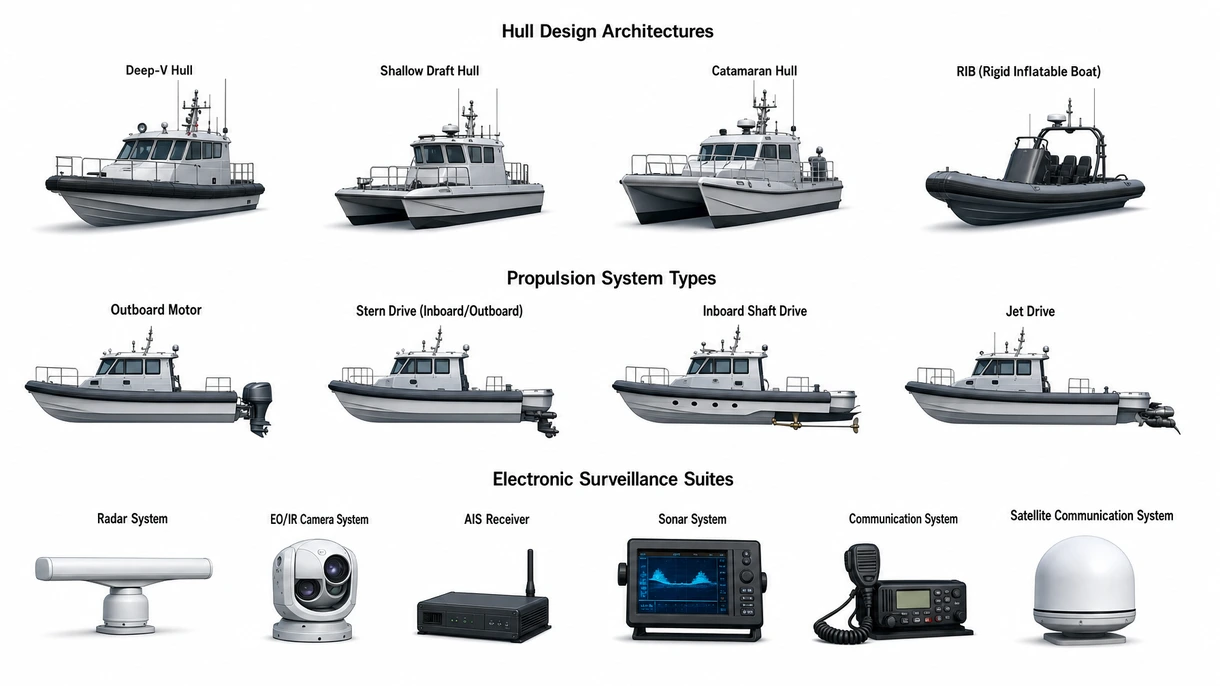
Hull Design Architectures
Mono-hulls provide high-speed stability whereas catamarans offer superior lateral balance and expanded deck area. Advantages include sea-kindliness, though draught limitations present operational trade-offs in shallow littoral zones.
Propulsion System Types
Waterjets enable shallow-water operations compared to traditional propellers, offering extreme maneuverability and safety during swimmer recovery. Higher acquisition costs and maintenance complexity represent significant trade-offs for operators.
Electronic Surveillance Suites
Integrated thermal imaging and radar provide superior situational awareness compared to manual observation. These systems increase mission success rates despite adding substantial electrical load and complexity.
6 expert tips
Always verify the technical certification to ensure compliance with local building safety standards and long-term durability.
Prioritize vessels featuring integrated condition-based monitoring systems to reduce unplanned downtime and optimize fleet maintenance budgeting cycles.
Select hull designs verified by IACS member classification societies to ensure global operational compliance and long-term structural reliability.
Evaluate total cost of ownership by weighing initial acquisition against fuel efficiency and lifecycle spare parts availability constraints.
Demand comprehensive technical documentation and crew training packages to guarantee immediate operational readiness and equipment longevity upon delivery.
Conduct rigorous sea trials in representative sea states to validate performance specifications against manufacturer claims before final acceptance.
Innovations and Trends
Serial hybrid systems reduce thermal signatures and fuel consumption while enabling silent operation during covert coastal monitoring missions.
AI-driven systems provide collision avoidance and automated patrolling, reducing crew fatigue and enhancing safety during prolonged operations.
Onboard launch and recovery systems for drones extend the vessel surveillance horizon beyond line of sight capabilities.
Lightweight composite armoring integrates directly into the superstructure to protect crew without compromising vessel speed or stability.
*Prices are pre-tax. They exclude delivery charges and customs duties and do not include additional charges for installation or activation options. Prices are indicative only and may vary by country, with changes to the cost of raw materials and exchange rates.
About NauticExpo
NauticExpo is a marketplace that offers B2B players a complete experience, from product sourcing to purchase. NauticExpo is an entity of VirtualExpo Group.
Are you a buyer?
Are you a supplier?