
- Home page
- buying guide
- outboard cabin cruiser
outboard cabin cruiser
outboard cabin cruiser: A technical guide
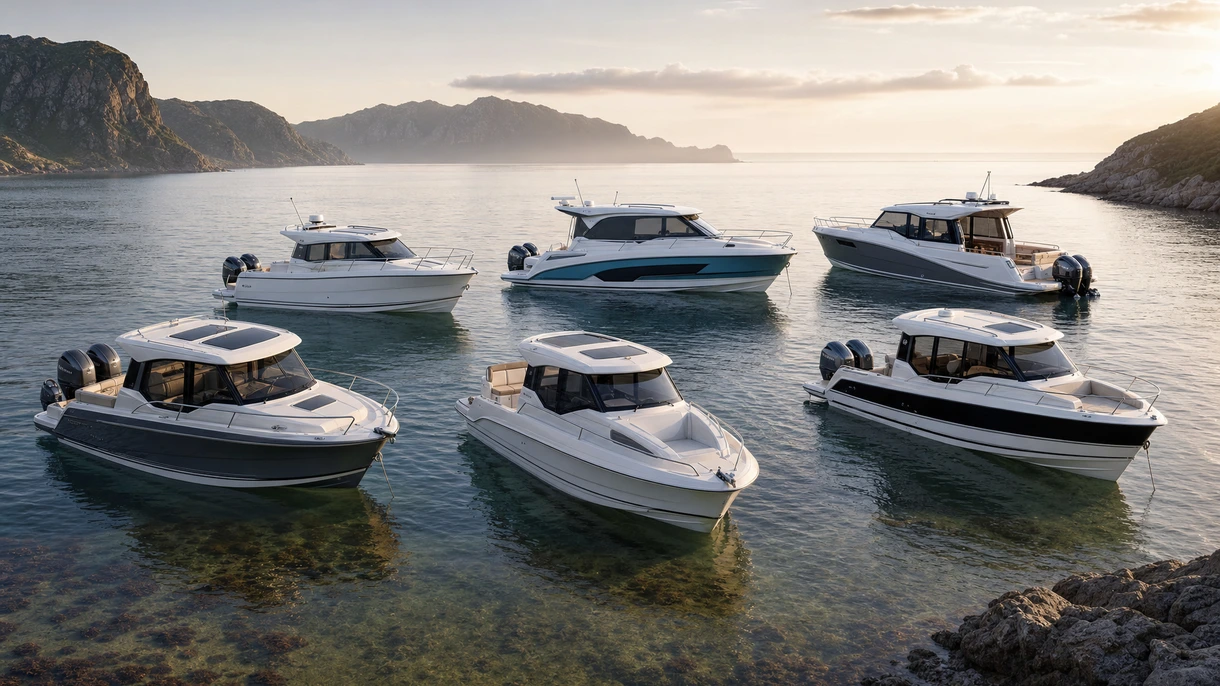
4 Criteria to choose your outboard cabin cruiser
Power-to-Weight Ratio Optimization
Balanced displacement ensures rapid planing and reduces fuel consumption across various load conditions for professional fleet operators and builders.
Structural Hull Integrity Standards
Vacuum-infused lamination processes provide the necessary rigidity and durability required for high-speed coastal transit in demanding maritime environments.
Serviceable Onboard Systems Access
Strategic placement of technical hatches allows for efficient maintenance of electrical and plumbing systems, minimizing vessel downtime during operations.
Dynamic Navigation Stability
Precision hull geometry ensures predictable handling and safety during high-velocity maneuvers, critical for passenger comfort and operational vessel safety.
Available technologies and advantages
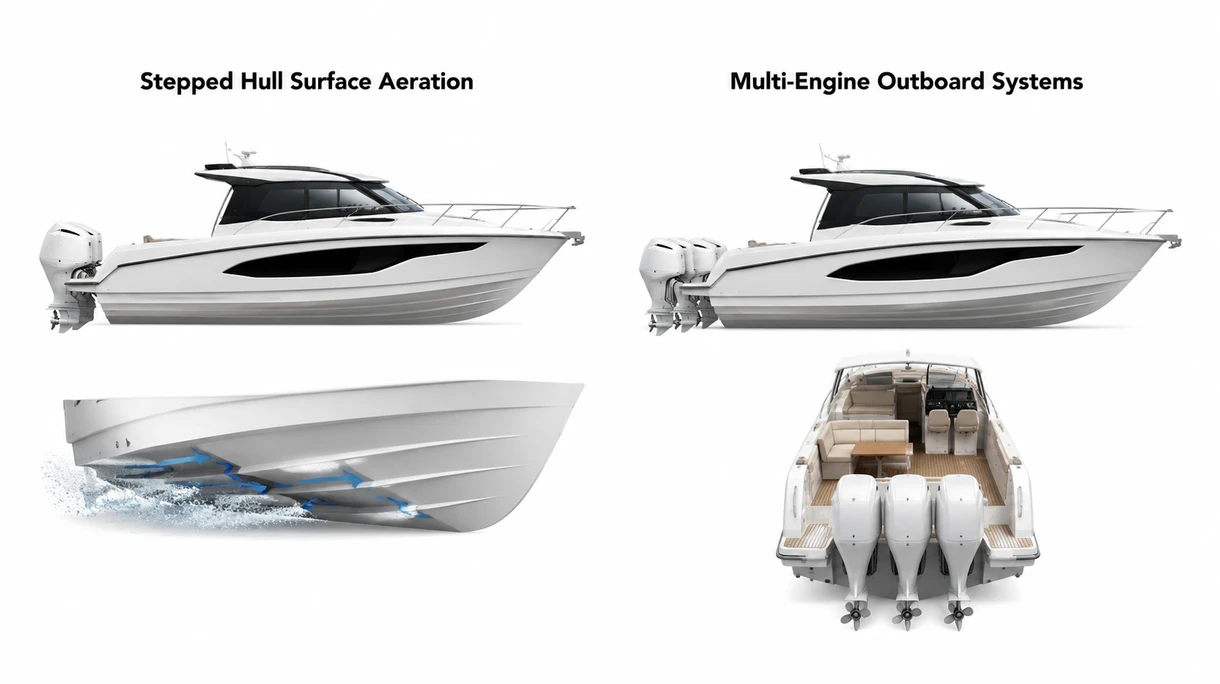
Stepped Hull Surface Aeration
Stepped hulls introduce air to the running surface to reduce frictional resistance, significantly enhancing top-end speed and fuel efficiency compared to conventional mono-hulls.
Operational Performance Factors
Advantages include reduced fuel burn at high speeds, while limitations encompass complex construction costs and specific handling requirements in heavy following seas.
Multi-Engine Outboard Systems
Multiple engine installations provide critical mechanical redundancy and increased thrust, allowing heavy cabin cruisers to maintain plane even with significant cargo or passenger loads.
Propulsion System Trade-offs
Operational benefits include improved slow-speed docking control, whereas trade-offs involve higher maintenance schedules and increased weight concentrated at the vessel transom.
6 expert tips
Always verify the technical certification to ensure compliance with local building safety standards and long-term durability.
Evaluate the total cost of ownership by analyzing fuel consumption data at optimal cruising speeds for specific engine packages.
Select engine configurations that offer local service network support to minimize lead times for critical mechanical parts and repairs.
Inspect the transom reinforcement specifications to confirm compatibility with the maximum rated horsepower for long-term structural reliability and performance.
Verify that the electrical system architecture supports future integration of high-draw navigation electronics and lithium-ion battery storage banks.
Assess cabin ergonomic layouts for crew comfort during extended operations to maintain peak professional performance and safety on board.
Innovations and Trends
Integrating electric motors with internal combustion engines reduces harbor emissions and improves low-speed maneuverability for environmentally regulated port zones.
Carbon-reinforced structures lower displacement by fifteen percent, directly increasing payload capacity and range for commercial and professional operators.
Real-time hull stress monitoring sensors provide predictive maintenance data, significantly reducing structural failure risks and insurance premiums for fleets.
Sensor-based maneuvering assistance reduces human error during berthing, lowering hull damage incidents in congested commercial marina and harbor environments.
*Prices are pre-tax. They exclude delivery charges and customs duties and do not include additional charges for installation or activation options. Prices are indicative only and may vary by country, with changes to the cost of raw materials and exchange rates.
About NauticExpo
NauticExpo is a marketplace that offers B2B players a complete experience, from product sourcing to purchase. NauticExpo is an entity of VirtualExpo Group.
Are you a buyer?
Are you a supplier?