
- Home page
- buying guide
- 3-cabin sailboat
3-cabin sailboat
3-cabin sailboat: A technical guide
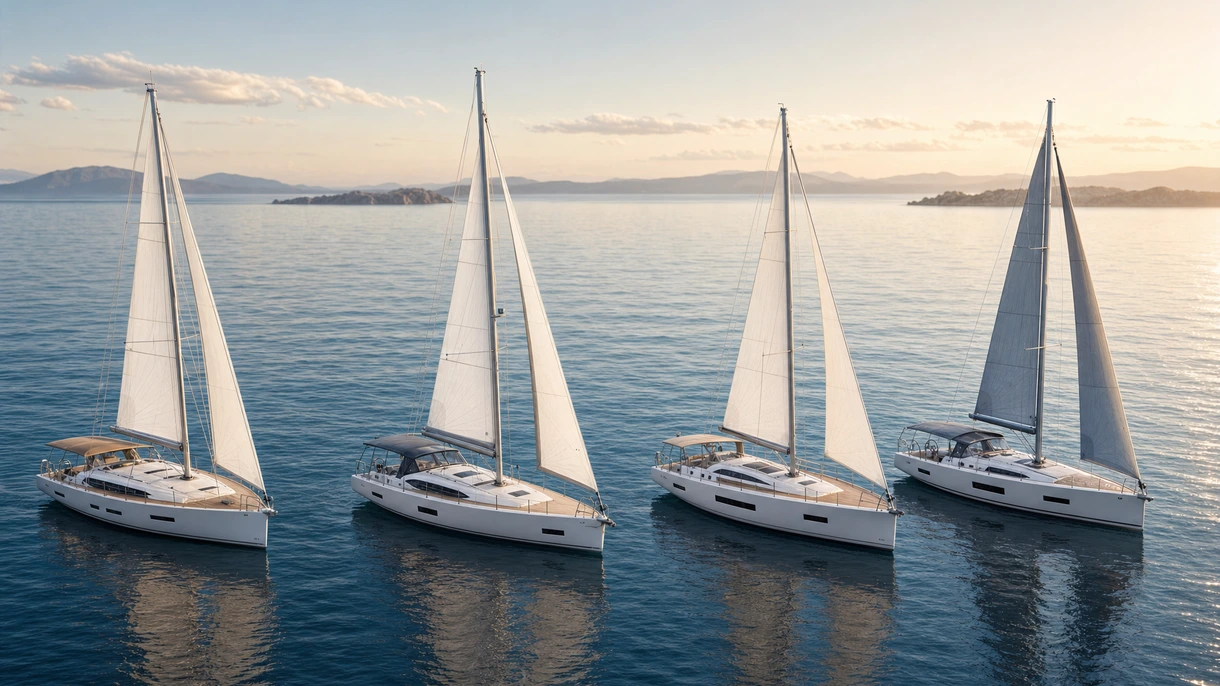
4 Criteria to choose your 3-cabin sailboat
Charter revenue potential optimization
Focus on cabin layout and durability for high-frequency use in Mediterranean and Caribbean charter fleets to maximize ROI.
Structural CE and ABYC certification
Ensuring compliance with Category A ocean ratings and North American safety standards for offshore reliability and resale value.
Power management autonomy
High-capacity battery banks and solar integration allow extended stays at anchor without engine use, critical for operational efficiency.
Ergonomic technical access
Centralized plumbing and engine accessibility reduce maintenance downtime for fleet mechanics and simplify critical onboard system repairs.
Available technologies and advantages
Hull Construction Composite
Vacuum infusion offers superior strength-to-weight ratios compared to hand-layup, ensuring consistent resin distribution and structural hull integrity. Advantage: Enhanced performance. Limitation: Requires specialized shipyard labor.
Rigging and Sail Plan
Aluminum versus carbon spars determines righting moment and handling, impacting short-handed sailing capabilities and overall vessel stability. Advantage: Reduced weight. Limitation: Higher capital expenditure.
Propulsion Systems
Traditional shaft drives versus saildrives provide different levels of vibration control and maintenance complexity for marine engineers. Advantage: Superior maneuverability. Limitation: Frequent seal replacement needs.
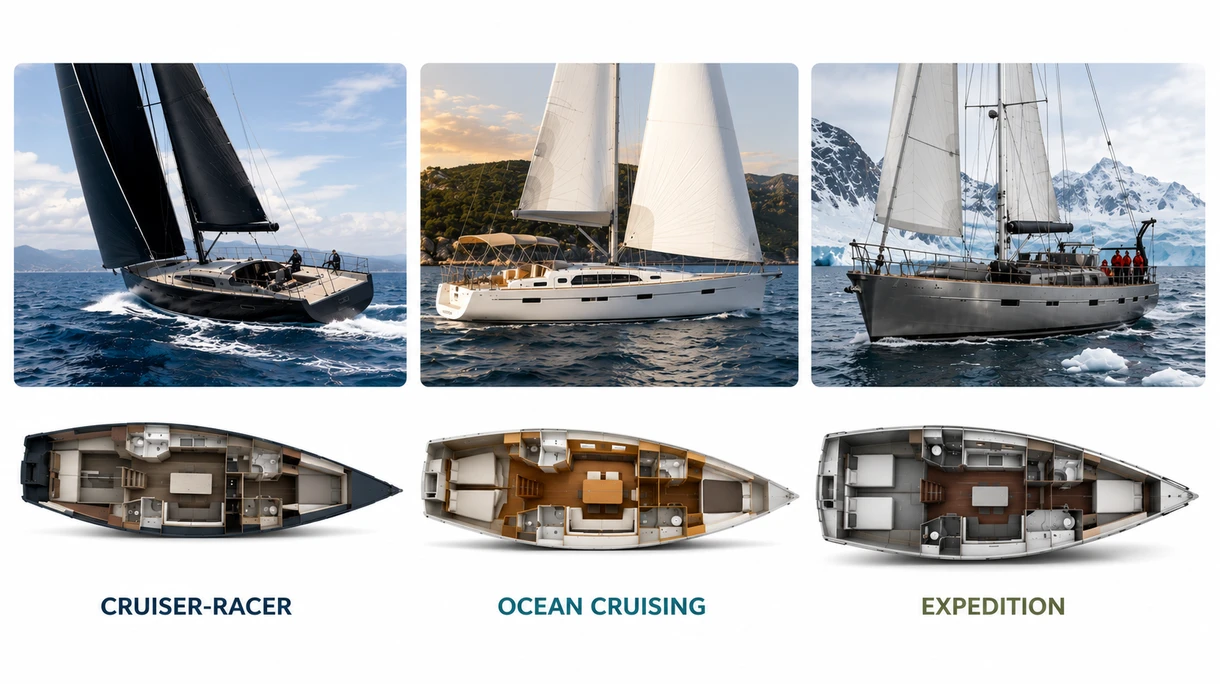
6 expert tips
Prioritize modular cabin configurations to ensure the vessel adapts to varying guest requirements and market resale demands.
Evaluate total lifecycle costs including docking fees and seasonal haul-out expenses before finalizing the purchase contract terms.
Select premium grade stainless steel fittings to prevent premature corrosion in high-salinity environments and reduce long-term labor.
Integrate redundant navigation electronics to maintain operational safety during long-distance passages or critical electronic system failures.
Assess hull laminate thickness and reinforcement zones to ensure the vessel withstands the rigors of heavy charter usage.
Always verify the technical certification to ensure compliance with local building safety standards and long-term durability.
Innovations and Trends
Electric hybrid propulsion systems reduce carbon footprints and meet increasing environmental regulations in protected marine sanctuaries worldwide.
Integrated digital switching systems centralize vessel monitoring and control, improving operational oversight for fleet managers and captains.
Sustainable hull materials including recycled PET cores offer comparable structural performance while satisfying emerging circular economy requirements.
Hydro-regeneration technology utilizes prop motion to recharge battery banks during sailing, significantly extending range and energy independence.
*Prices are pre-tax. They exclude delivery charges and customs duties and do not include additional charges for installation or activation options. Prices are indicative only and may vary by country, with changes to the cost of raw materials and exchange rates.
About NauticExpo
NauticExpo is a marketplace that offers B2B players a complete experience, from product sourcing to purchase. NauticExpo is an entity of VirtualExpo Group.
Are you a buyer?
Are you a supplier?