
- Home page
- buying guide
- all-around stand-up paddle-board
all-around stand-up paddle-board
all-around stand-up paddle-board: A technical guide
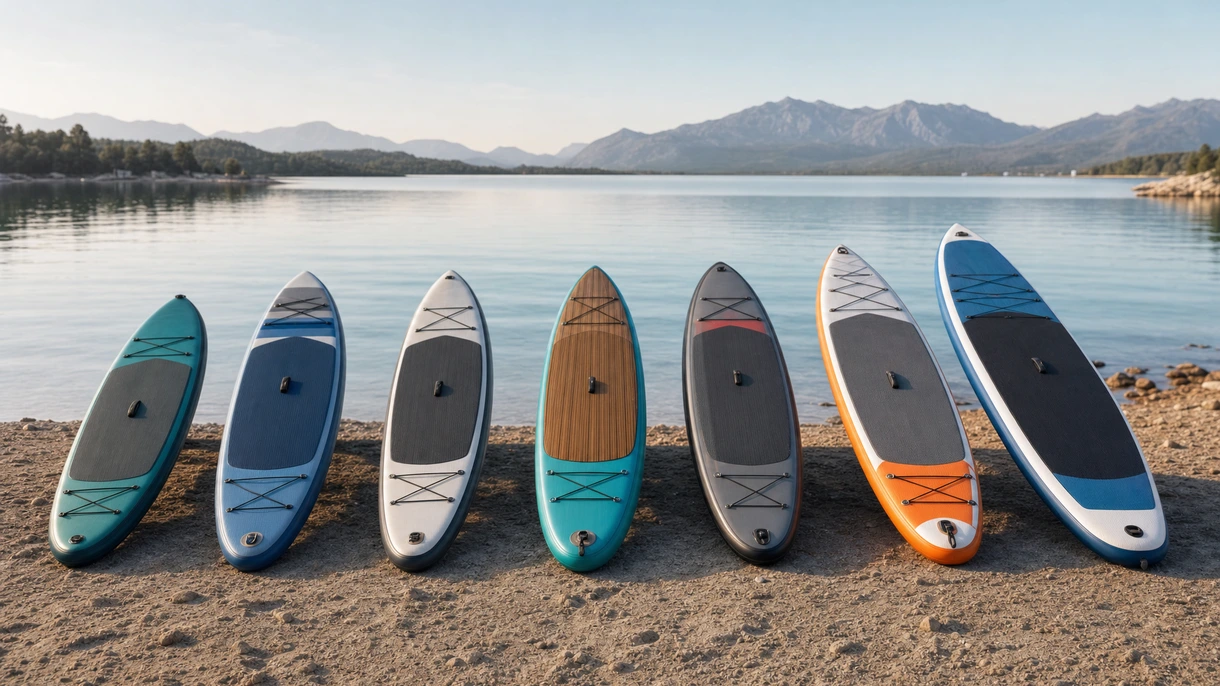
4 Criteria to choose your all-around stand-up paddle-board
Hull Volumetric Distribution
Strategic displacement ensures platform stability and weight capacity requirements are met during professional passenger ferry or recreational charter operations.
UV Polymeric Stability
Advanced material coatings prevent structural degradation and aesthetic fading caused by prolonged exposure to high-intensity marine solar radiation environments.
Reinforced Rail Construction
Multi-layered sidewalls provide critical impact protection against abrasive dock edges and boat hull contact during high-frequency deployment cycles.
Integrated Attachment Points
Heavy-duty stainless hardware allows secure integration with vessel storage racks and ensures safety equipment remains tethered in choppy conditions.
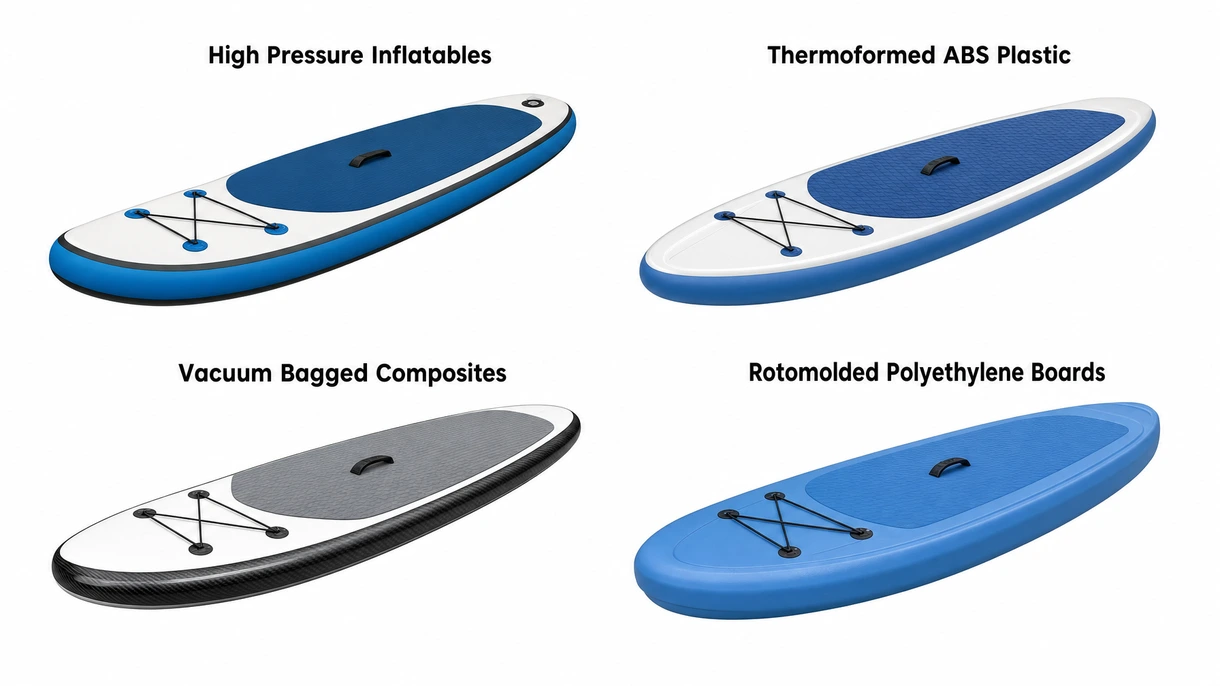
Available technologies and advantages
High Pressure Inflatables
Drop-stitch polyester fibers allow high-pressure rigidity and compact yacht storage, though manual inflation time and potential puncture risks represent significant operational constraints.
Thermoformed ABS Plastic
Molded polymer shells over foam cores offer extreme impact resistance for high-frequency rental use, yet increased weight and bulkiness hinder efficient deck management.
Vacuum Bagged Composites
Laminated epoxy provides superior hydrodynamic tracking and glide efficiency for performance-oriented fleets, but high repair costs and surface fragility limit commercial utility.
Rotomolded Polyethylene Boards
Single-piece plastic construction provides the highest possible impact resistance for rugged port environments, although excessive weight severely limits hydrodynamic performance.
6 expert tips
Prioritize double-layer fusion construction to ensure hull integrity and pressure retention during long-term commercial charter deployments across diverse climates.
Evaluate board volume against target passenger weight capacities to maintain stability and safety margins in choppy coastal harbor conditions.
Select boards featuring multi-point stainless steel D-rings to facilitate secure lash-down procedures on deck or within specialized garage racks.
Verify that paddle-board dimensions align with existing yacht tender garage clearance specifications to avoid costly custom storage modifications.
Source units with high-grade UV-resistant coatings to prevent delamination and structural weakening caused by constant exposure to maritime sunlight.
Always verify the technical certification to ensure compliance with local building safety standards and long-term durability.
Innovations and Trends
Eco-friendly bio-resins reduce chemical leaching into sensitive marine ecosystems while maintaining the mechanical strength required for commercial usage.
Integrated telemetry sensors track board usage hours and GPS location to optimize maintenance schedules for large-scale rental fleets.
Advanced ultrasonic welding techniques replace traditional glue bonds to eliminate structural failures caused by thermal expansion in hot climates.
Modular fin systems utilize tool-less locking mechanisms to accelerate turnaround times during high-volume commercial charter and rental operations.
*Prices are pre-tax. They exclude delivery charges and customs duties and do not include additional charges for installation or activation options. Prices are indicative only and may vary by country, with changes to the cost of raw materials and exchange rates.
About NauticExpo
NauticExpo is a marketplace that offers B2B players a complete experience, from product sourcing to purchase. NauticExpo is an entity of VirtualExpo Group.
Are you a buyer?
Are you a supplier?