
- Home page
- buying guide
- inflatable sport boat
inflatable sport boat
inflatable sport boat: A technical guide
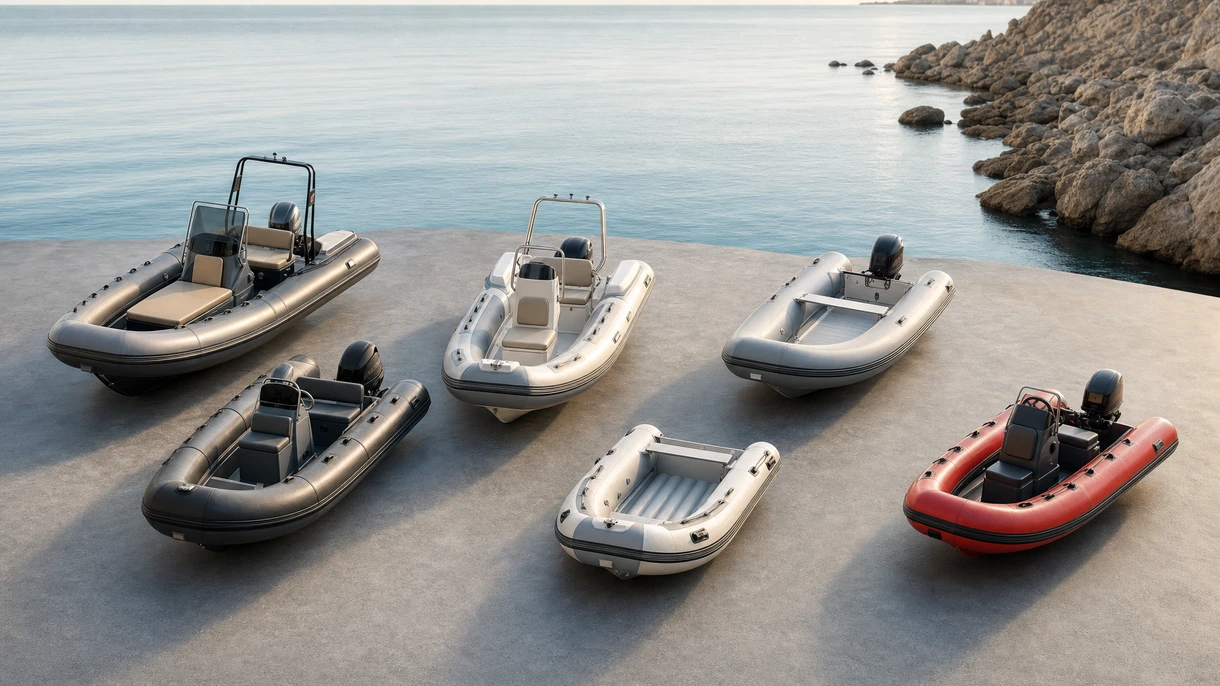
4 Criteria to choose your inflatable sport boat
Material abrasion resistance
High-grade Hypalon ensures UV stability and tear resistance for commercial tenders operating in demanding saltwater environments across various climates.
Hull structural rigidity
Reinforced aluminum or fiberglass hulls must withstand high-speed hydrodynamic loads without compromising hull integrity or passenger safety during transit.
Tube chamber redundancy
Multiple independent air chambers are essential for maintaining buoyancy and operational safety if a single section suffers catastrophic puncture.
Payload weight capacity
Optimizing carrying capacity relative to vessel mass ensures fuel efficiency for ship-to-shore logistics while maintaining high-speed performance capabilities.
Available technologies and advantages
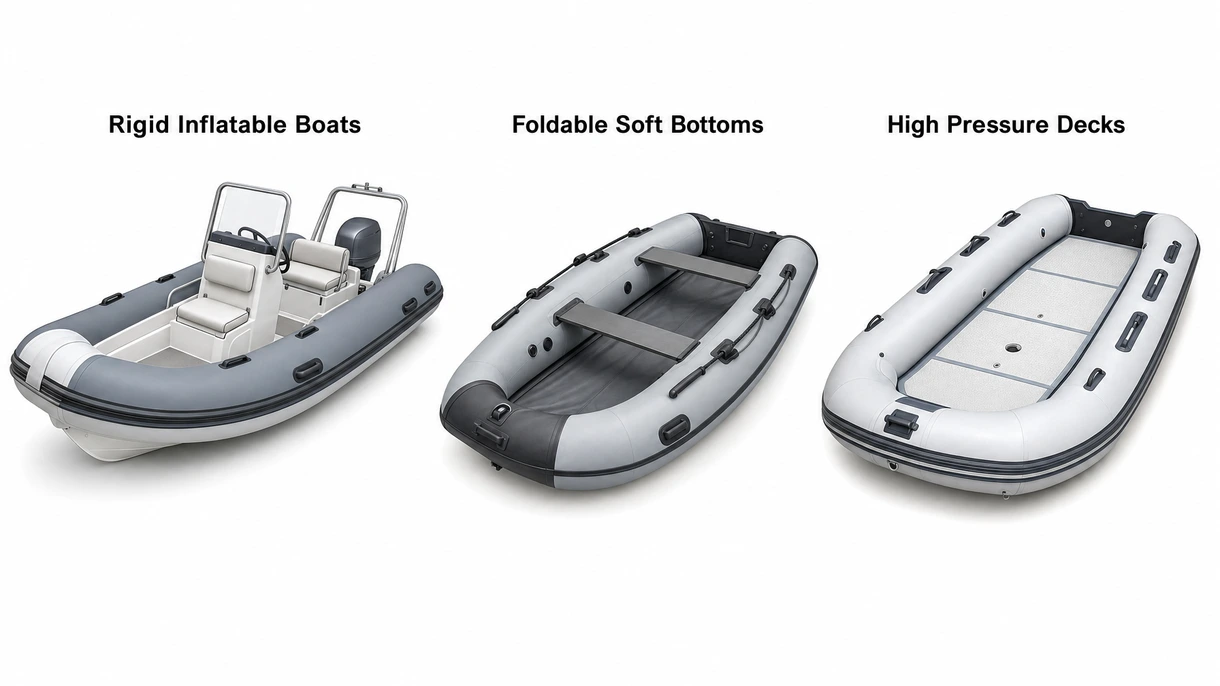
Rigid Inflatable Boats
Rigid inflatable boats combine a solid fiberglass or aluminum hull with inflatable tubes for superior stability and sea-keeping capability. These offer unmatched durability and speed but require dedicated davits due to their fixed structure and higher storage footprint.
Foldable Soft Bottoms
Utilizing interlocking aluminum or wood floorboards, these portable vessels provide a flat working surface while allowing for compact storage. Maximum portability suits emergency response or temporary use, yet they lack the hydrodynamic efficiency and rough sea performance of rigid hulls.
High Pressure Decks
Advanced drop-stitch technology creates a rigid, lightweight floor surface through thousands of polyester threads inflated to high internal pressure levels. Significant weight reduction improves fuel economy and ease of handling, though the deck is more susceptible to sharp debris damage.
6 expert tips
Prioritize Hypalon over polymer fabrics for fleet tenders to ensure long-term UV resistance and lower lifecycle maintenance costs globally.
Select aluminum hulls for rocky coastal operations to minimize structural repair expenses compared to traditional fiberglass composite hull designs.
Verify that integrated lifting points align with existing shipyard davit capacities to prevent mechanical failure during heavy weather deployment.
Standardize outboard mounting plates across the fleet to simplify engine maintenance and allow for rapid propulsion unit swaps.
Inspect pressure relief valves for reliability to prevent tube over-inflation caused by temperature fluctuations in tropical maritime shipping lanes.
Confirm international maritime safety standards compliance to ensure vessel legality and insurance coverage across European and American waters.
Always verify the technical certification to ensure compliance with local building safety standards and long-term durability.
Innovations and Trends
Electric propulsion systems reduce carbon footprints and noise pollution while meeting strict environmental regulations in protected marine sanctuaries worldwide.
Carbon fiber hull construction delivers extreme weight savings for chase boats, significantly increasing range and top-end performance metrics.
Self-righting systems utilize automated gas inflation to improve survivor safety and vessel recovery during extreme offshore capsizing incidents.
Smart sensor monitoring tracks tube pressure and battery health in real-time to optimize preventative maintenance schedules for commercial operators.
*Prices are pre-tax. They exclude delivery charges and customs duties and do not include additional charges for installation or activation options. Prices are indicative only and may vary by country, with changes to the cost of raw materials and exchange rates.
About NauticExpo
NauticExpo is a marketplace that offers B2B players a complete experience, from product sourcing to purchase. NauticExpo is an entity of VirtualExpo Group.
Are you a buyer?
Are you a supplier?