
- Home page
- buying guide
- commercial fishing vessel
commercial fishing vessel
commercial fishing vessel: A technical guide
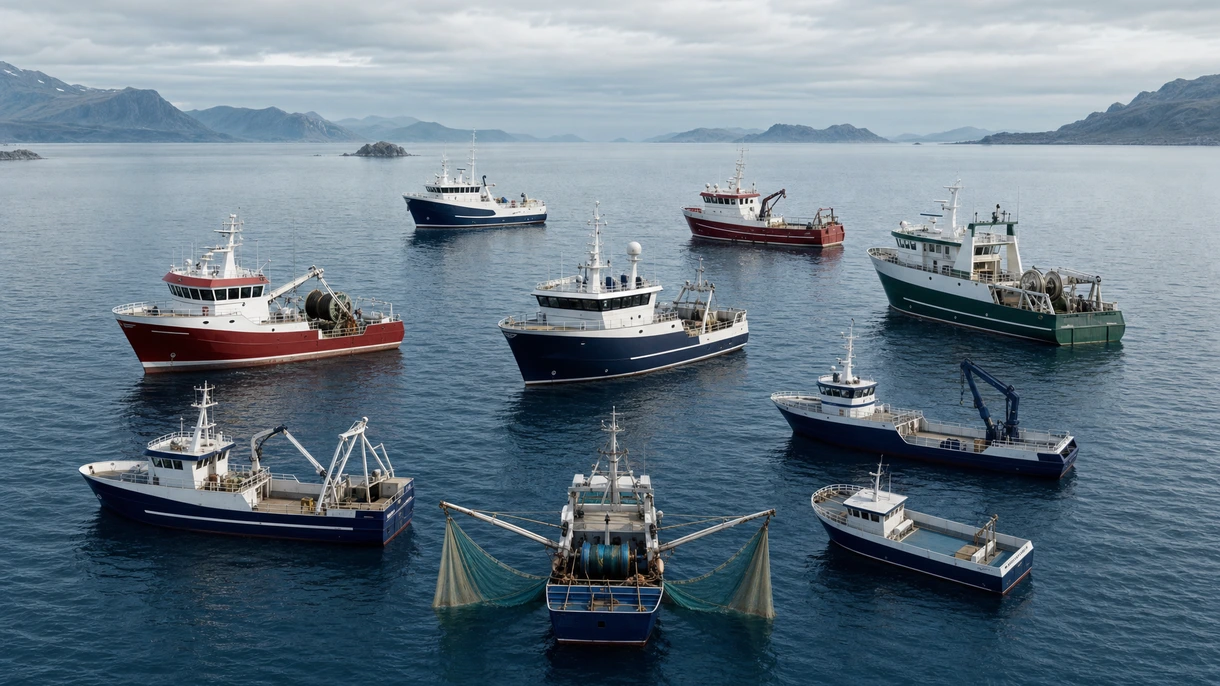
4 Criteria to choose your commercial fishing vessel
Hull Hydrodynamic Efficiency
Minimizing fuel consumption and improving sea-keeping abilities during transit and active harvesting operations across varying sea states.
Cold Chain Integrity
Integrated refrigeration systems must maintain precise temperatures from harvest to port to ensure premium catch quality and compliance.
Deck Equipment Durability
Hydraulic and electric winch systems require extreme corrosion resistance to withstand continuous salt exposure and heavy mechanical loads.
Operational Safety Standards
Vessel design must prioritize crew safety through stable platforms and advanced monitoring systems to mitigate high-risk maritime working conditions.
Available technologies and advantages
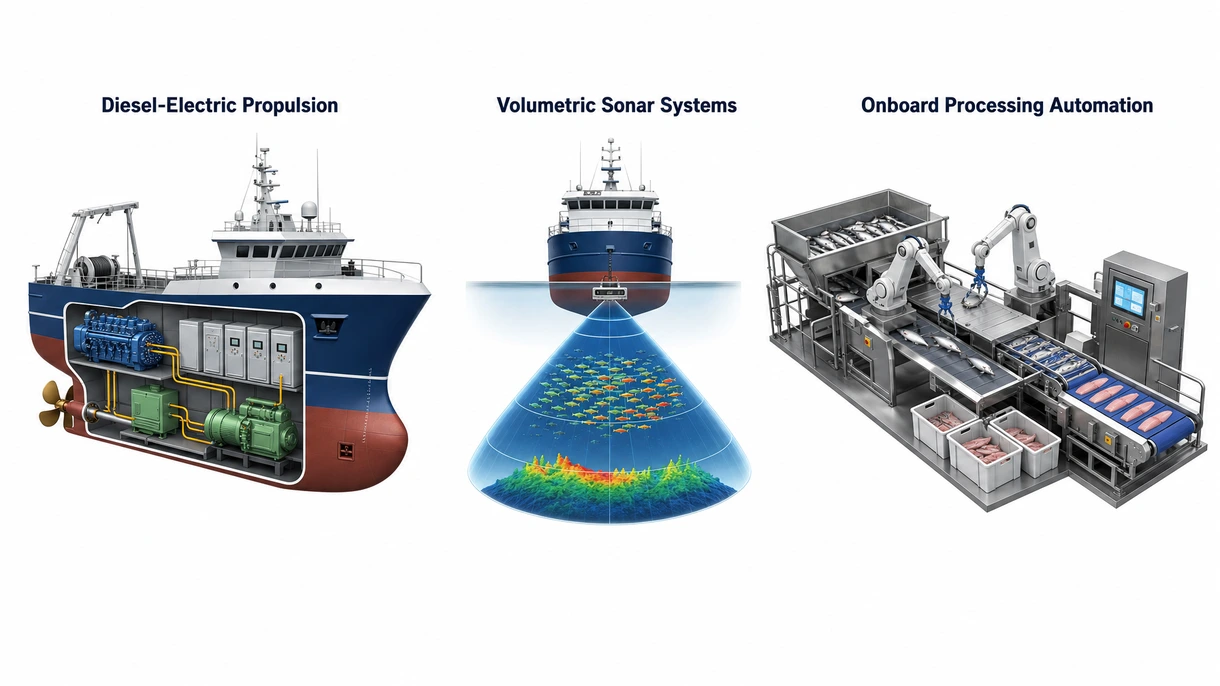
Diesel-Electric Propulsion
Diesel-electric systems offer superior fuel efficiency and lower noise levels compared to traditional mechanical drives during low-speed trawling and specialized harvesting operations. Advantages include reduced emissions and flexible engine placement, though high capital costs trade against long-term fuel savings.
Volumetric Sonar Systems
Wide-angle volumetric sonar provides high-resolution data of fish schools, whereas standard vertical acoustic sensors only offer depth profiles. This technology improves harvest accuracy while trading significant investment against increased seasonal productivity.
Onboard Processing Automation
Mechanical sorting and gutting lines outperform manual labor in speed and consistency during peak harvest cycles in demanding maritime environments. Increased throughput trades higher power consumption against reduced labor requirements and improved crew safety.
6 expert tips
Always verify the technical certification to ensure compliance with local building safety standards and long-term durability.
Prioritize vessels equipped with redundant power systems to maintain critical life-support and navigation functions during mechanical engine failures.
Verify the hull design specifically matches the intended sea state conditions to ensure maximum fuel efficiency and stability.
Confirm that all refrigeration components meet international sanitary regulations for preserving catch value throughout the entire voyage duration.
Conduct rigorous sea trials to validate that propulsion power meets the specific demands of specialized commercial harvesting gear.
Evaluate the availability of global spare parts support to minimize downtime during critical fishing seasons in remote locations.
Innovations and Trends
Hybrid propulsion systems integrate battery storage to reduce fuel consumption and carbon emissions during periods of low activity.
Real-time satellite monitoring ensures strict regulatory compliance while optimizing fleet logistics through advanced data-driven route planning and management.
Sustainable hull coatings utilize non-toxic materials to prevent biofouling and maintain hydrodynamic performance without damaging delicate marine ecosystems.
Autonomous underwater sensors provide precise biomass assessments to help prevent overfishing and support long-term commercial maritime resource sustainability.
*Prices are pre-tax. They exclude delivery charges and customs duties and do not include additional charges for installation or activation options. Prices are indicative only and may vary by country, with changes to the cost of raw materials and exchange rates.
About NauticExpo
NauticExpo is a marketplace that offers B2B players a complete experience, from product sourcing to purchase. NauticExpo is an entity of VirtualExpo Group.
Are you a buyer?
Are you a supplier?