
- Home page
- buying guide
- pontoon boat
pontoon boat
pontoon boat: A technical guide
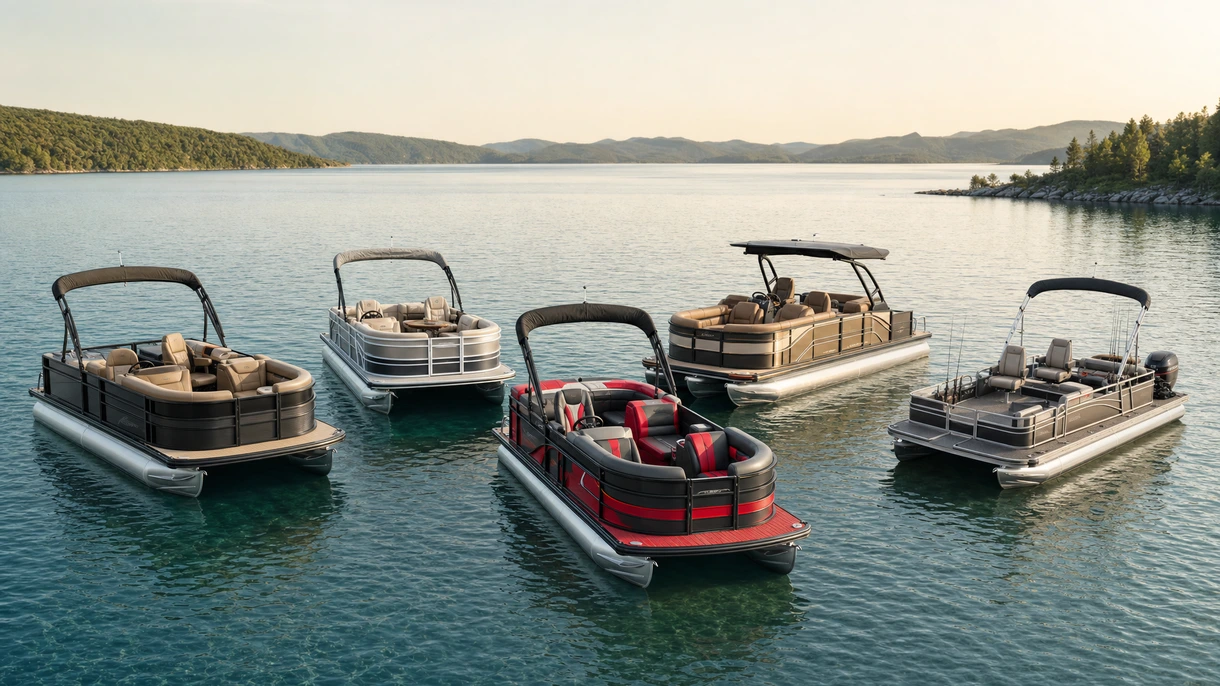
4 Criteria to choose your pontoon boat
Marine Grade Aluminum Alloy
High-grade alloy ensures structural integrity and corrosion resistance in brackish and saltwater charter environments for fleet operators.
Multi-Chamber Hull Integrity
Independent pressurized chambers prevent total buoyancy loss during hull punctures, meeting essential safety standards for commercial passenger transport.
Deck Load Capacity Ratings
Precise weight distribution analysis determines maximum passenger density and heavy equipment placement for stable commercial tour boat operations.
Hydrodynamic Lifting Strake Design
Integrated strakes reduce drag and increase fuel efficiency by allowing the vessel to plane faster under heavy loads.
Available technologies and advantages
Dual-Log Performance Configuration
Traditional twin hull setups provide stable platforms for inland lake operations with lower displacement requirements and simplified maintenance cycles for high-frequency rental use.
Dual-Log Operational Limits
Advantages include cost-effective procurement and lower draft. Limitations involve reduced stability in coastal chop and restricted engine horsepower ratings during commercial operations.
Triple-Log High-Buoyancy Systems
Three oversized logs increase structural rigidity and allow for higher horsepower outboards while significantly improving lateral stability and performance in choppy waters.
Triple-Log Operational Limits
Advantages center on superior weight capacity and offshore capability. Limitations include higher initial capital expenditure and increased fuel consumption compared to standard dual hull configurations.
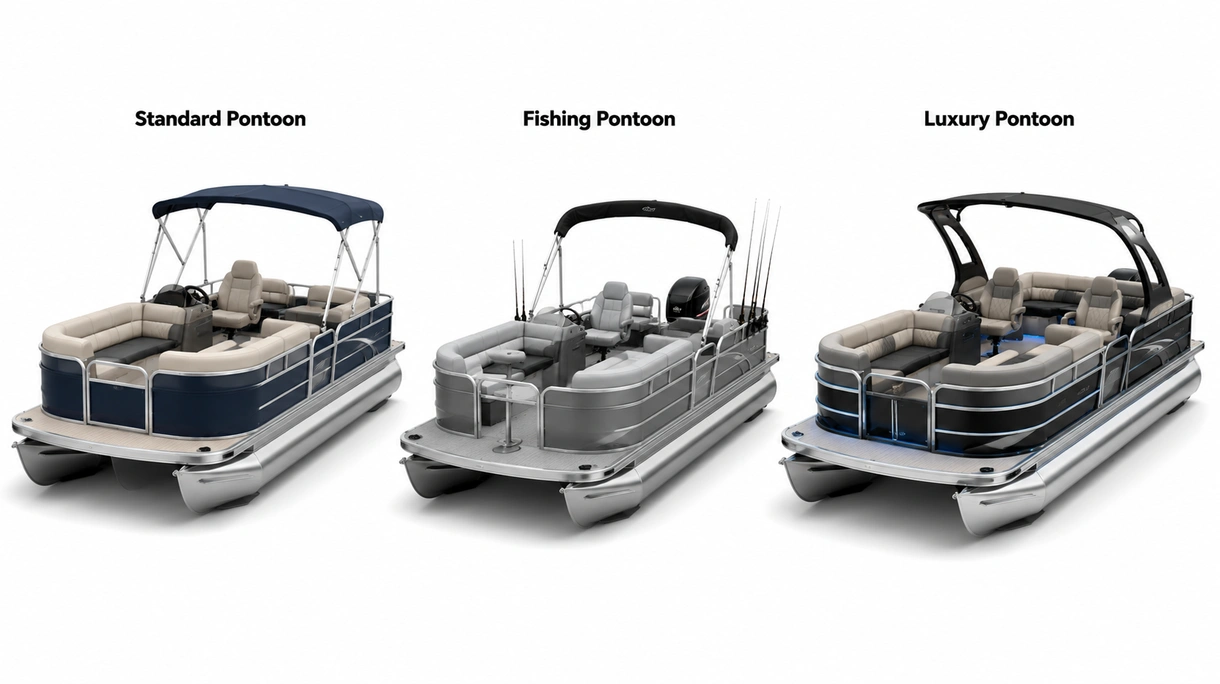
6 expert tips
Prioritize vessels with comprehensive NMMA and CE certifications to ensure global compliance and maximize the future vessel resale value.
Select heavy-duty cross members spaced at narrow intervals to ensure the deck remains stable under high commercial passenger loads.
Evaluate the total cost of ownership by analyzing fuel efficiency ratings against the intended daily operational hours and routes.
Specify saltwater protection packages including sacrificial anodes to prevent galvanic corrosion when operating in demanding coastal maritime environments.
Invest in hydraulic steering systems to reduce operator fatigue and improve maneuverability within crowded marina or port terminal spaces.
Always verify the technical certification to ensure compliance with local building safety standards and long-term durability.
Innovations and Trends
Integrated electric propulsion systems significantly reduce operational noise and carbon emissions within sensitive ecological zones or protected harbors.
Telemetry and remote monitoring hardware provide fleet operators with real-time diagnostics for engine performance and hull location tracking.
High-efficiency solar charging canopies extend house battery life to support onboard electronics and refrigeration without requiring shore power.
Advanced anti-fouling coatings for aluminum hulls prevent bio-growth while meeting strict environmental regulations regarding heavy metal leaching.
*Prices are pre-tax. They exclude delivery charges and customs duties and do not include additional charges for installation or activation options. Prices are indicative only and may vary by country, with changes to the cost of raw materials and exchange rates.
About NauticExpo
NauticExpo is a marketplace that offers B2B players a complete experience, from product sourcing to purchase. NauticExpo is an entity of VirtualExpo Group.
Are you a buyer?
Are you a supplier?