
- Home page
- buying guide
- pedal boat
pedal boat
pedal boat: A technical guide
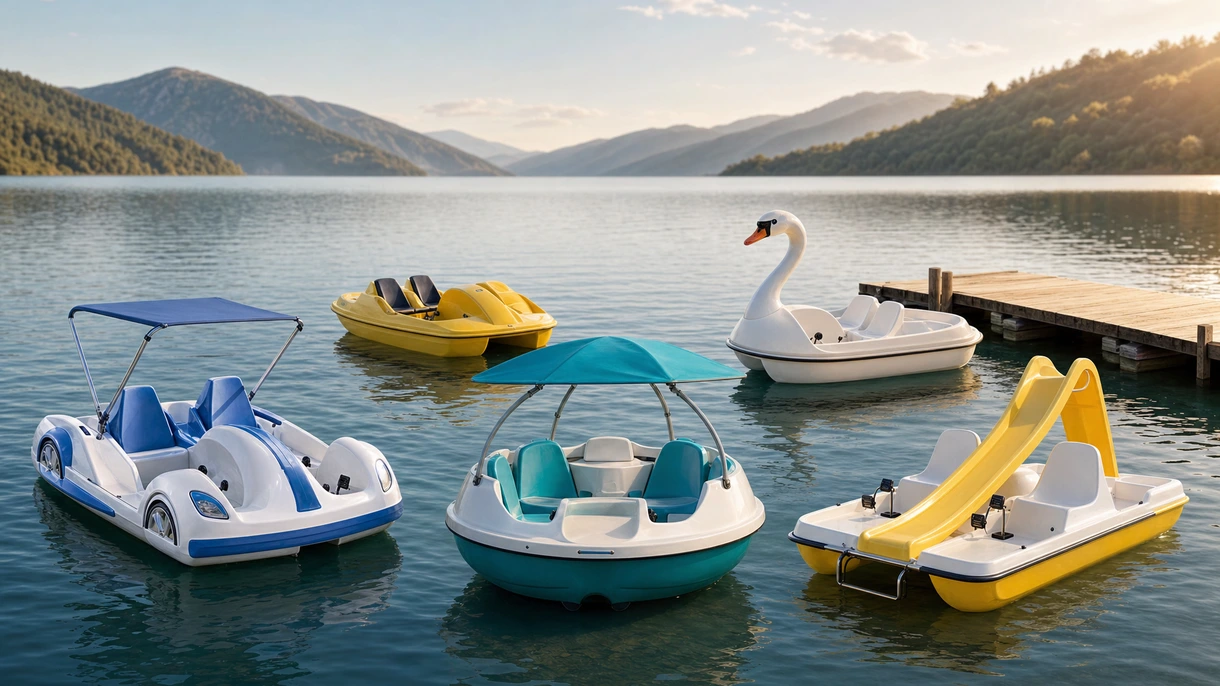
4 Criteria to choose your pedal boat
Hull structural durability
Impact-resistant HDPE hulls minimize maintenance costs and ensure decade-long deployment in high-frequency commercial rental fleets and corrosive saltwater environments.
Drive system reliability
Precision-engineered stainless steel cranksets and oil-bath gearboxes prevent mechanical failure, ensuring continuous operational uptime during peak seasonal demand.
Effective drainage capacity
Integrated scuppers and rapid-flow deck drainage systems reduce labor-intensive manual bailing, protecting the vessel from waterlogging during heavy rain.
Total occupancy payload
High-displacement catamaran hulls provide essential lateral stability for group passengers, meeting strict European CE and American ABYC safety standards.
Available technologies and advantages
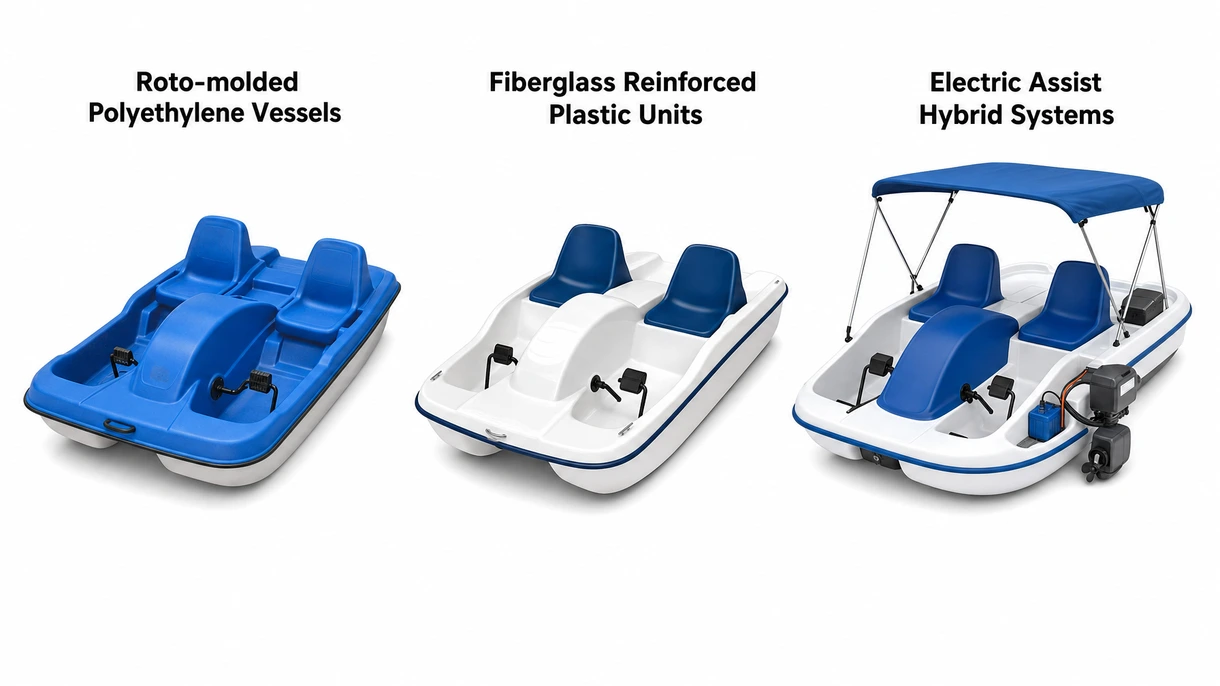
Roto-molded Polyethylene Vessels
These monoblock hulls are manufactured using high-density polyethylene, offering superior impact resistance compared to traditional fiberglass builds in abrasive coastal environments. Advantages include low-maintenance and high recyclability. Limitations involve increased weight compared to composite hulls, requiring specialized launching infrastructure for operators.
Fiberglass Reinforced Plastic Units
Hand-laid or vacuum-infused resins provide a high-gloss finish and lightweight structure, allowing for faster acceleration and easier manual handling during storage. Benefits include aesthetic appeal and repairability. However, gelcoat is prone to osmosis and UV degradation, necessitating frequent professional resurfacing treatments.
Electric Assist Hybrid Systems
Integrating brushless DC motors with manual cranksets extends the operational range for elderly users while maintaining the traditional leisure experience. Operational efficiency increases significantly, but technical complexity rises with lithium-ion battery management systems and waterproof charging requirements in marina settings.
6 expert tips
Prioritize industrial-grade stainless steel drivetrain components to eliminate galvanic corrosion risks in professional saltwater marina rental operations.
Select modular hull designs with replaceable rub-rails to protect the primary structure from frequent dock impacts during peak season.
Opt for high-capacity self-bailing cockpits to reduce daily labor costs associated with manual water removal after heavy storm events.
Evaluate the availability of localized spare part distribution networks to minimize operational downtime during the critical high-traffic summer window.
Assess the structural reinforcement of towing points to ensure safe recovery and efficient fleet relocation across large nautical basins.
Always verify the technical certification to ensure compliance with local building safety standards and long-term durability.
Innovations and Trends
Solar-integrated canopy systems provide continuous trickle charging for auxiliary electronics and LED lighting, enhancing sunset operational safety protocols.
Advanced hydrofoil integration reduces hydrodynamic drag by forty percent, significantly increasing top-end speed and reducing physical exertion for users.
Internet of Things fleet tracking modules offer real-time geolocation and usage analytics to optimize rental turnover and maintenance scheduling.
Recyclable thermoplastic hull materials align with emerging European maritime circular economy regulations, reducing long-term decommissioning and disposal costs.
*Prices are pre-tax. They exclude delivery charges and customs duties and do not include additional charges for installation or activation options. Prices are indicative only and may vary by country, with changes to the cost of raw materials and exchange rates.
About NauticExpo
NauticExpo is a marketplace that offers B2B players a complete experience, from product sourcing to purchase. NauticExpo is an entity of VirtualExpo Group.
Are you a buyer?
Are you a supplier?