
- Home page
- buying guide
- day-sailer
day-sailer
day-sailer: A technical guide
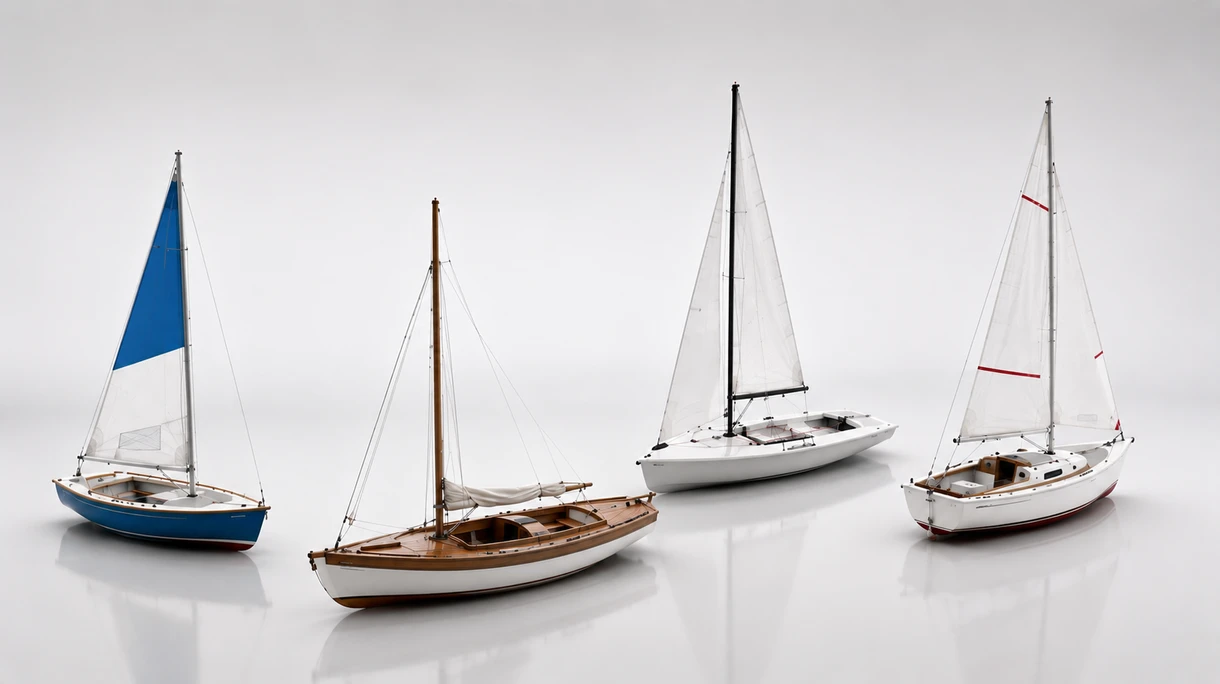
4 Criteria to choose your day-sailer
Rigging and handling simplicity
Simplified sail plans ensure rapid deployment and reduced crew requirements for quick operational windows in diverse coastal conditions.
Hull hydrodynamic efficiency
Optimised underwater profiles minimize drag to maintain high performance in light wind sectors typical of day-use coastal sailing.
Cockpit ergonomic layout
Strategic seating and control placement maximize passenger comfort and crew efficiency during high-frequency maneuvers in restricted harbor environments.
Low maintenance finishes
High-grade marine materials and accessible systems reduce annual yard time and lower the total cost of fleet ownership.
Available technologies and advantages
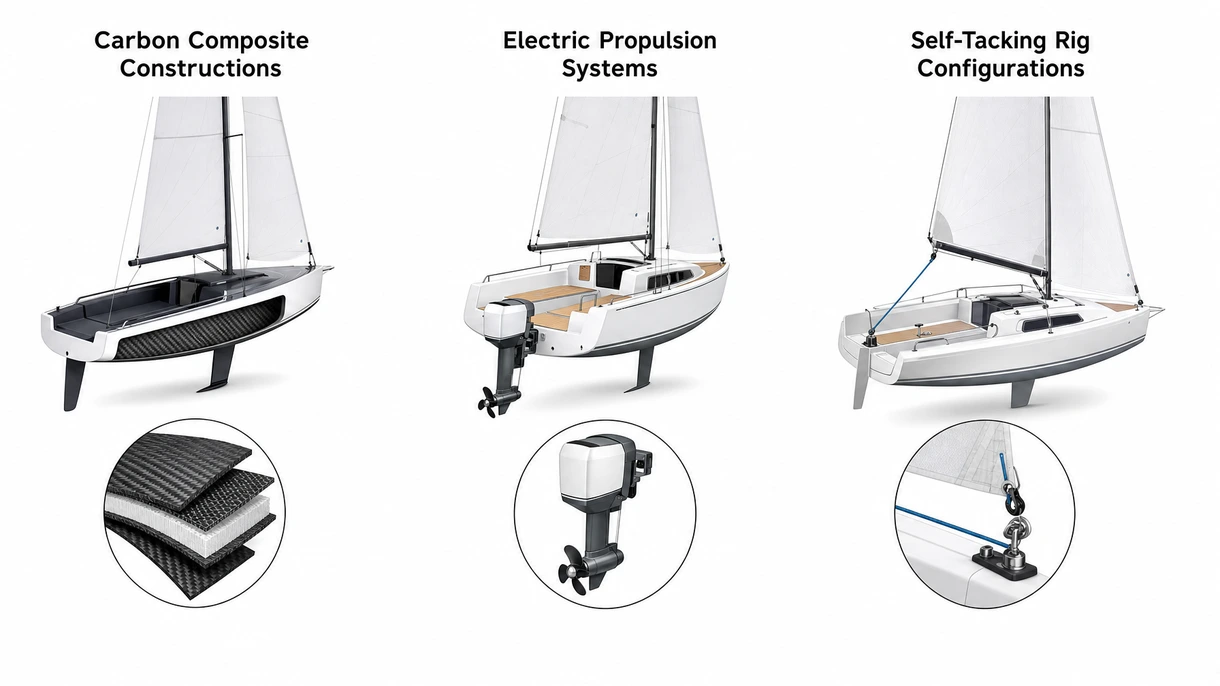
Carbon composite constructions
Advanced vacuum-infused carbon fibers offer superior stiffness-to-weight ratios compared to traditional fiberglass, significantly enhancing acceleration and responsiveness in light air. Advantages include increased structural rigidity and weight reduction, though higher initial capital expenditure and complex repair protocols remain primary trade-offs.
Electric propulsion systems
Modern lithium-ion battery banks combined with high-torque electric motors provide silent, emission-free harbor maneuvering without the maintenance of diesel. These systems offer immediate torque and environmental compliance but are limited by energy density and recharging infrastructure in remote marinas.
Self-tacking rig configurations
Integrated track systems allow jibs to transition across the centerline automatically, eliminating manual sheet handling during frequent tacking maneuvers. The primary benefit is short-handed operational ease, while trade-offs include reduced sail area control and potential loss of pointing precision.
6 expert tips
Prioritize boats with CE Category C or B certifications to ensure structural integrity for intended coastal use.
Select propulsion systems based on local emission regulations and availability of shore power charging infrastructure at the berth.
Evaluate the ease of stepping the mast if seasonal trailering or indoor winter storage is part of the plan.
Assess cockpit drainage capacity to ensure rapid water clearance during unexpected weather changes in heavy tidal seas.
Specify high-modulus deck hardware to reduce friction and minimize mechanical wear during high-frequency professional sailing cycles.
Verify the availability of local technical support and replacement parts to minimize downtime during the peak charter season. Always verify the technical certification to ensure compliance with local building safety standards and long-term durability.
Innovations and Trends
. Intelligent sensor-driven winches adjust sail tension automatically to optimize performance and safety for less experienced professional yacht crews.
. Utilization of basalt mineral fibers provides a recyclable alternative to fiberglass with comparable tensile strength for eco-conscious builders.
. Integrated foil technology reduces wetted surface area to significantly increase top speeds and fuel efficiency during motorized transit phases.
. Head-up displays overlaying critical depth and traffic data enhance situational awareness during complex navigation in congested harbor entrances.
*Prices are pre-tax. They exclude delivery charges and customs duties and do not include additional charges for installation or activation options. Prices are indicative only and may vary by country, with changes to the cost of raw materials and exchange rates.
About NauticExpo
NauticExpo is a marketplace that offers B2B players a complete experience, from product sourcing to purchase. NauticExpo is an entity of VirtualExpo Group.
Are you a buyer?
Are you a supplier?