
- Home page
- buying guide
- open express cruiser
open express cruiser
open express cruiser: A technical guide
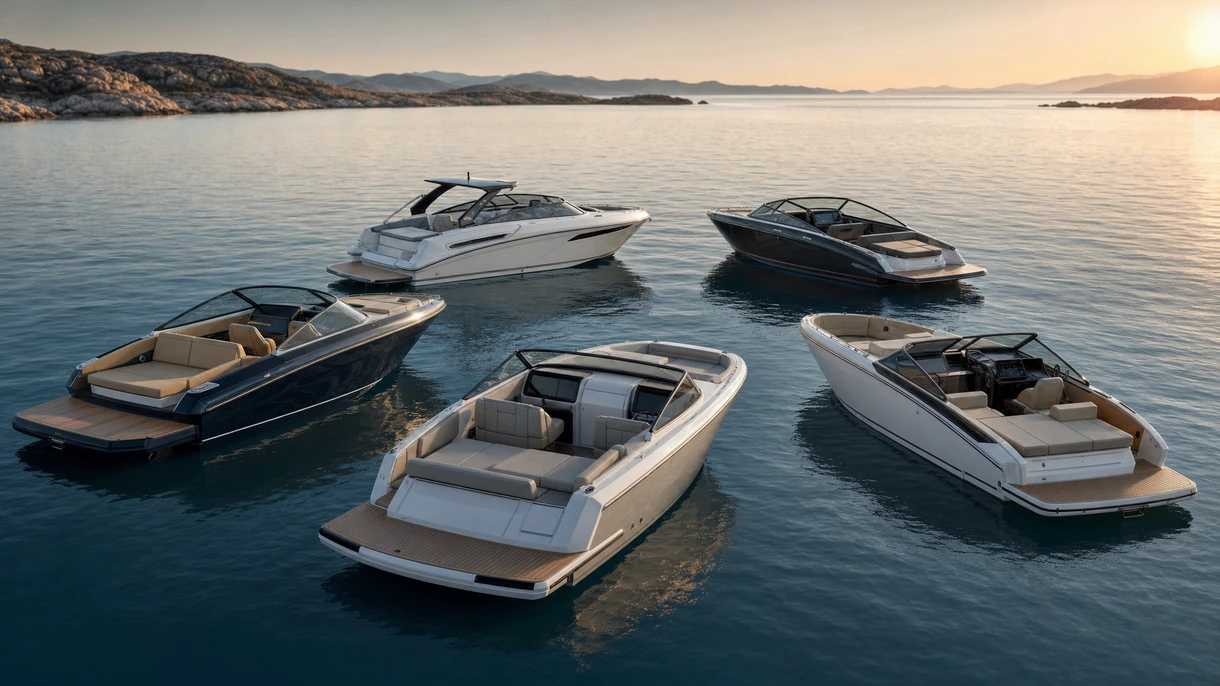
4 Criteria to choose your open express cruiser
Hull Efficiency and Deadrise
Deep-V designs must optimize fuel burn across the entire power curve while maintaining stability in heavy offshore sea states.
Propulsion System Integration
Selecting between IPS pods or outboard configurations dictates maintenance costs, engine room volume, and long-term mechanical reliability for operators.
Cockpit Ergonomics and Flow
Layouts must facilitate rapid passenger movement and safe mooring operations while providing modular seating for diverse day-use charter requirements.
Structural Weight and Composite
Advanced vacuum-infusion techniques reduce displacement to increase top-end velocity and improve the overall power-to-weight ratio for demanding marine environments.
Available technologies and advantages
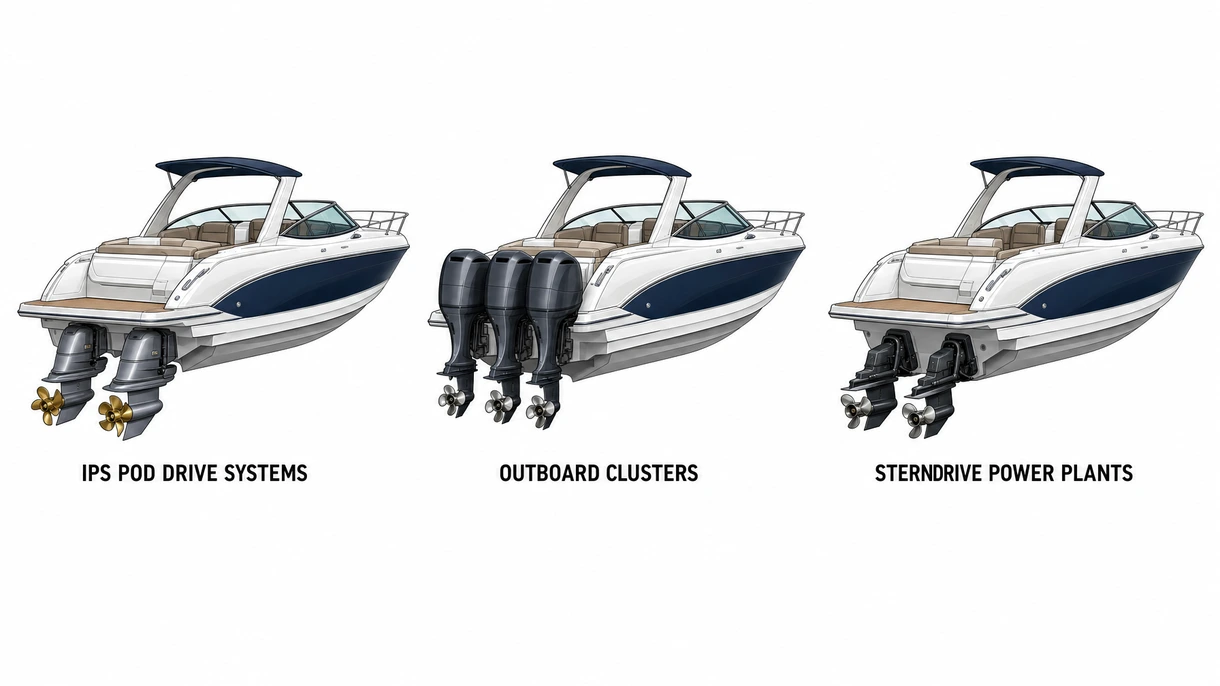
IPS Pod Drive Systems
Integrated pods offer superior joystick maneuverability and increased internal cabin space compared to traditional shafts but require significant initial investment. Advantages include exceptional fuel efficiency at cruising speeds and simplified docking for shorthanded crews. Limitations involve high vulnerability to debris impact and the requirement for specialized shipyard technicians for drive maintenance. The primary trade-off involves higher acquisition cost for reduced long-term operational complexity.
Performance Outboard Clusters
High-horsepower outboards provide easy maintenance access and reduced draft but lack the torque and centered weight distribution of inboard engines. These systems allow for shallow water operation and simple engine replacement or upgrades without major structural modification. Limitations include restricted swim platform utility and higher noise levels at the transom. Operators trade heavy-weather displacement stability for mechanical accessibility and lower initial capital expenditure.
Sterndrive Power Plants
These systems combine inboard engine weight placement with steerable thrust but face corrosion issues and intensive bellows maintenance schedules. They offer excellent trim control to optimize the running attitude of the hull across varying load conditions. Limitations include high maintenance requirements in saltwater environments and potential for seal failures. The trade-off centers on high-performance handling versus the necessity for frequent haul-out inspections and part replacements.
6 expert tips
Prioritize vacuum-infused resin hulls to ensure superior structural integrity while minimizing long-term fuel consumption for high-speed coastal transit operations.
Select propulsion systems based on local shipyard service availability to minimize downtime during critical seasonal charter or operational windows.
Analyze the total cost of ownership including engine service intervals and specialized fluid requirements before finalizing the procurement contract.
Evaluate the integration of gyroscopic stabilizers to enhance passenger comfort and safety during stationary boarding or heavy sea conditions.
Always verify the technical certification to ensure compliance with local building safety standards and long-term durability.
Inspect the deck drainage capacity and scupper dimensions to ensure rapid water evacuation during unforeseen boarding sea events offshore.
Innovations and Trends
Hydrofoil integration reduces hull drag by forty percent significantly increasing range and speed for performance-oriented open express cruisers.
Parallel hybrid systems allow zero-emission harbor maneuvering while maintaining high-speed diesel performance for extended offshore passages and operations.
Integrated digital switching allows remote monitoring of bilge pumps and battery levels via encrypted satellite links for fleet operators.
New thermoplastic resins allow shipyards to meet tightening European environmental regulations regarding vessel decommissioning and end-of-life material recycling.
*Prices are pre-tax. They exclude delivery charges and customs duties and do not include additional charges for installation or activation options. Prices are indicative only and may vary by country, with changes to the cost of raw materials and exchange rates.
About NauticExpo
NauticExpo is a marketplace that offers B2B players a complete experience, from product sourcing to purchase. NauticExpo is an entity of VirtualExpo Group.
Are you a buyer?
Are you a supplier?