
- Home page
- buying guide
- offshore support vessel
offshore support vessel
offshore support vessel: A technical guide
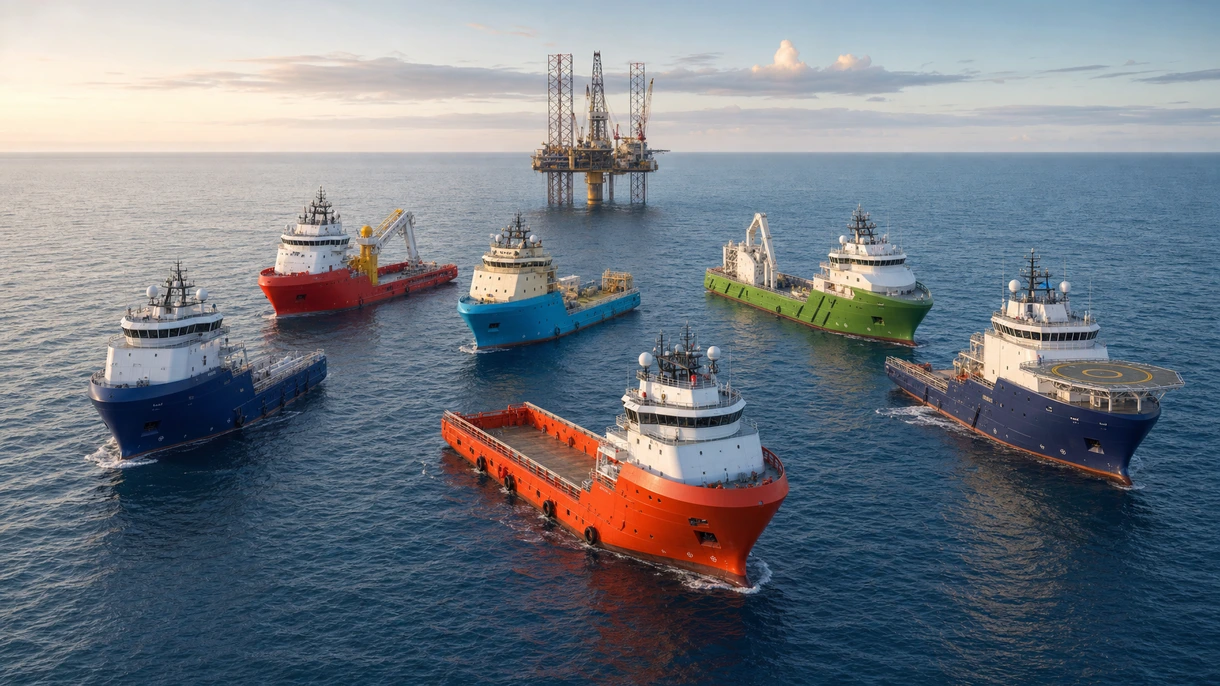
4 Criteria to choose your offshore support vessel
Dynamic Positioning Reliability
High-level DP redundancy is vital for maintaining station near platforms during critical subsea operations in harsh North Sea environments.
Deck Cargo Capacity
Maximizing clear deck area ensures efficient transport of bulk supplies and heavy subsea equipment to deepwater Gulf installations.
Fuel Efficiency Performance
Optimizing hull resistance and propulsion systems significantly reduces operational expenditure and aligns with evolving international carbon emission regulations.
Hybrid Propulsion Versatility
Integrated battery storage systems provide peak shaving capabilities and essential backup power during demanding standby and maneuvering vessel phases.
Available technologies and advantages
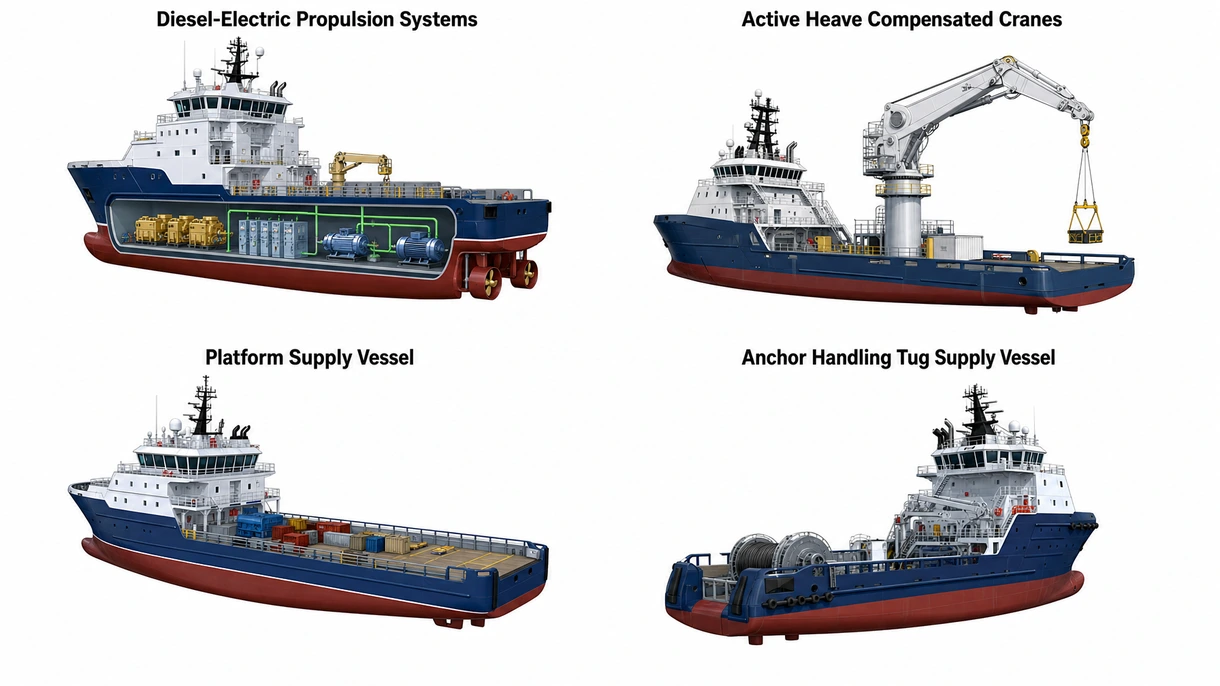
Diesel-Electric Propulsion Systems
Integrated power management systems distribute energy to multiple thrusters, offering superior load sharing compared to traditional direct-drive mechanical setups. These systems offer high fuel efficiency at low speeds and reduced maintenance, though initial capital expenditure remains significantly higher.
Dynamic Positioning Class Three
Full triple-redundancy architecture ensures operational continuity after major fire or flood, surpassing Class Two standards for high-risk subsea work. This technology provides maximum safety for deep-water assets but requires specialized crew training and increases complex electronic maintenance requirements.
Active Heave Compensated Cranes
Sensor-driven winch controls counteract hull movement during lifting, providing precision placement on the seabed unlike passive mechanical dampening systems. They enable work in higher sea states and protect expensive subsea hardware, despite having higher weight and complex hydraulic demands.
6 expert tips
Verify that engine specifications meet strict IMO Tier Three nitrogen oxide standards to ensure long-term global operational fleet viability.
Prioritize vessels with independent engine rooms to minimize catastrophic power failure risks during delicate station-keeping maneuvers near offshore structures.
Confirm the structural load-bearing capacity per square meter exceeds projected heavy subsea equipment requirements for diverse project cargo needs.
Review verified sea trial fuel consumption curves across various sea states to forecast accurate lifecycle operational fuel expenditure costs.
Ensure living quarters meet high comfort ratings to improve crew retention and comply with modern international maritime labor conventions.
Always verify the technical certification to ensure compliance with local building safety standards and long-term durability.
Innovations and Trends
Adopting methanol-ready engines facilitates immediate carbon footprint reduction while ensuring compliance with future European Union maritime emission mandates.
Real-time digital twin models enable predictive maintenance schedules and optimize vessel performance through continuous sensor-based structural health monitoring.
Integrated launch and recovery systems for autonomous vehicles expand service capabilities for subsea inspection without increasing onboard crew requirements.
Containerized battery solutions provide instantaneous power during peak loads, significantly lowering total fuel consumption and local nitrogen oxide emissions.
*Prices are pre-tax. They exclude delivery charges and customs duties and do not include additional charges for installation or activation options. Prices are indicative only and may vary by country, with changes to the cost of raw materials and exchange rates.
About NauticExpo
NauticExpo is a marketplace that offers B2B players a complete experience, from product sourcing to purchase. NauticExpo is an entity of VirtualExpo Group.
Are you a buyer?
Are you a supplier?