
- Home page
- buying guide
- transfer pump
transfer pump
transfer pump: A technical guide
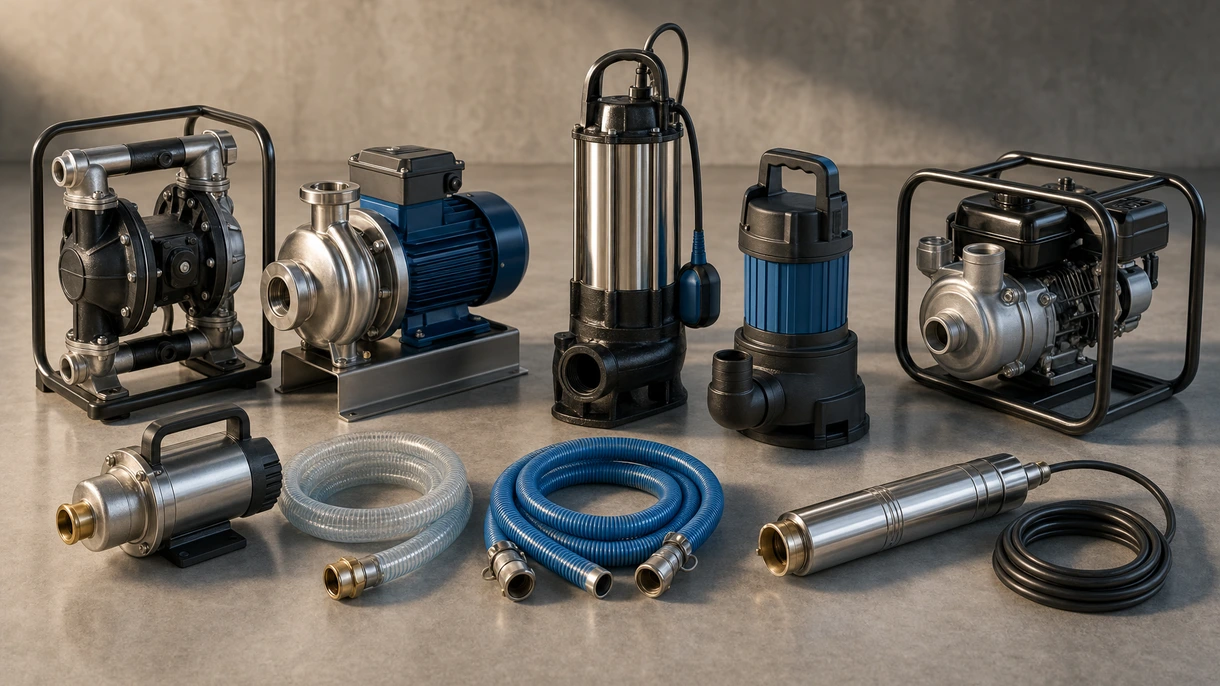
4 Criteria to choose your transfer pump
Fluid chemical compatibility
Essential for preventing elastomer degradation and seal failure when handling aggressive marine fuels, lubricants, or contaminated bilge water mixtures.
Self-priming lift capacity
Ensures reliable suction from deep hull tanks or low-lying sumps without requiring manual priming or risk of dry-running damage.
Maritime certification compliance
Meets rigorous Bureau Veritas and American Boat and Yacht Council standards ensuring spark-proof safety and electromagnetic compatibility within vessel systems.
Flow efficiency footprint ratio
Maximizes flow rates while minimizing weight and physical dimensions to fit within cramped engine rooms or modular skid assemblies.
Available technologies and advantages
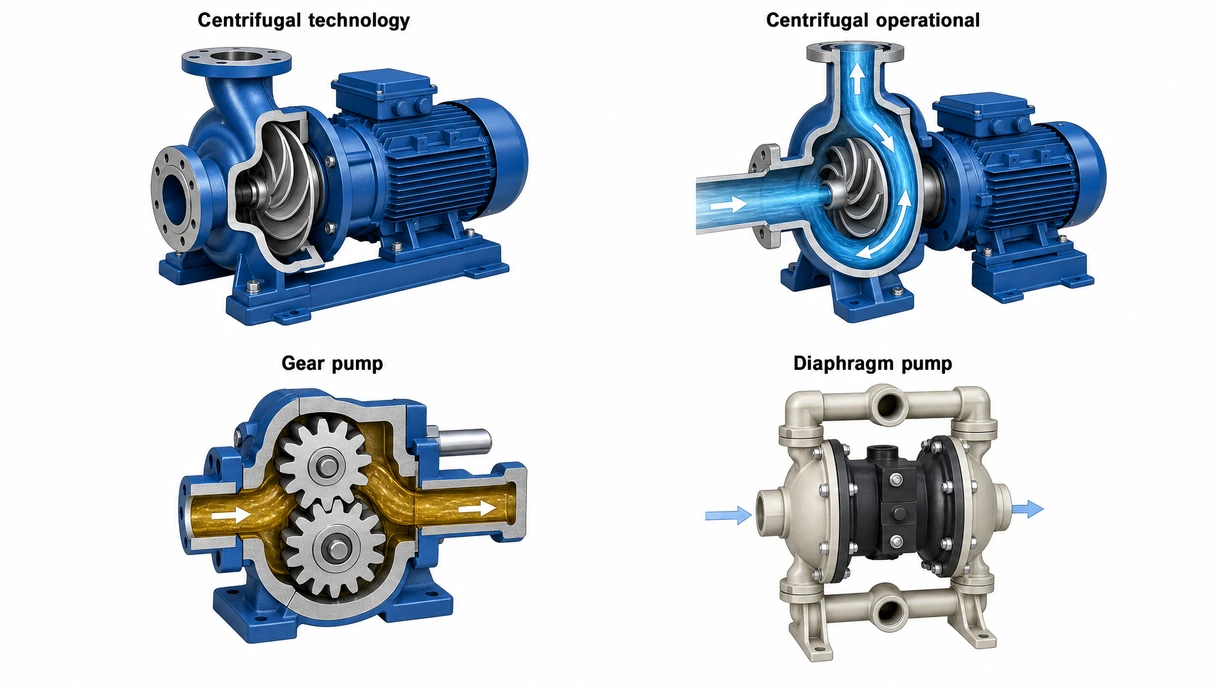
Centrifugal technology comparison
These systems facilitate high-volume transfer for low-viscosity fluids like ballast water, offering continuous flow with minimal maintenance requirements across diverse maritime applications.
Centrifugal operational trade-offs
Advantages include superior throughput efficiency and mechanical simplicity, whereas limitations involve poor suction lift and inability to process high-viscosity fuel oils or air-entrained mixtures.
Gear pump comparison
These units deliver precise flow control for high-viscosity lubricants and fuel oils, maintaining constant discharge pressure regardless of system back-pressure changes during bunkering operations.
Gear pump trade-offs
Operational trade-offs involve robust performance with heavy liquids versus sensitivity to abrasive particles, requiring internal relief valves to prevent catastrophic overpressure during pipe blockages.
Diaphragm pump comparison
These versatile self-priming units handle solids and dry running conditions, making them ideal for gray water and black water management within modern vessel plumbing systems.
Diaphragm pump trade-offs
The primary advantage is exceptional suction capability in contaminated sumps, though rhythmic pulsation limits their use in rigid piping without significant vibration dampening equipment.
6 expert tips
Prioritize pumps with explosion-proof motors to ensure safety when transferring volatile fluids in enclosed vessel engine room compartments.
Select modular designs with standardized internal components to reduce inventory costs and simplify maintenance across diverse fleet assets.
Verify flow rate specifications against peak operational demands to prevent bottlenecks during critical ship-to-shore fuel transfer or bunkering.
Demand comprehensive material test reports to confirm corrosion resistance against saline environments and aggressive chemical additives in fuels.
Evaluate the total cost of ownership including power consumption and spare part availability across global maritime supply chains.
Always verify the technical certification to ensure compliance with local building safety standards and long-term durability.
Innovations and Trends
Optimizing energy consumption by adjusting motor frequency based on real-time fluid viscosity and demand requirements.
Providing real-time performance data to shore-side fleet managers for proactive maintenance and operational efficiency monitoring.
Reducing overall pump weight while offering superior resistance to galvanic corrosion in saltwater cooling applications.
Utilizing integrated sensors to trigger automatic shutdowns, preventing environmental contamination and meeting strict Marpol regulations.
*Prices are pre-tax. They exclude delivery charges and customs duties and do not include additional charges for installation or activation options. Prices are indicative only and may vary by country, with changes to the cost of raw materials and exchange rates.
About NauticExpo
NauticExpo is a marketplace that offers B2B players a complete experience, from product sourcing to purchase. NauticExpo is an entity of VirtualExpo Group.
Are you a buyer?
Are you a supplier?