
- Home page
- buying guide
- dive fins
dive fins
dive fins: A technical guide
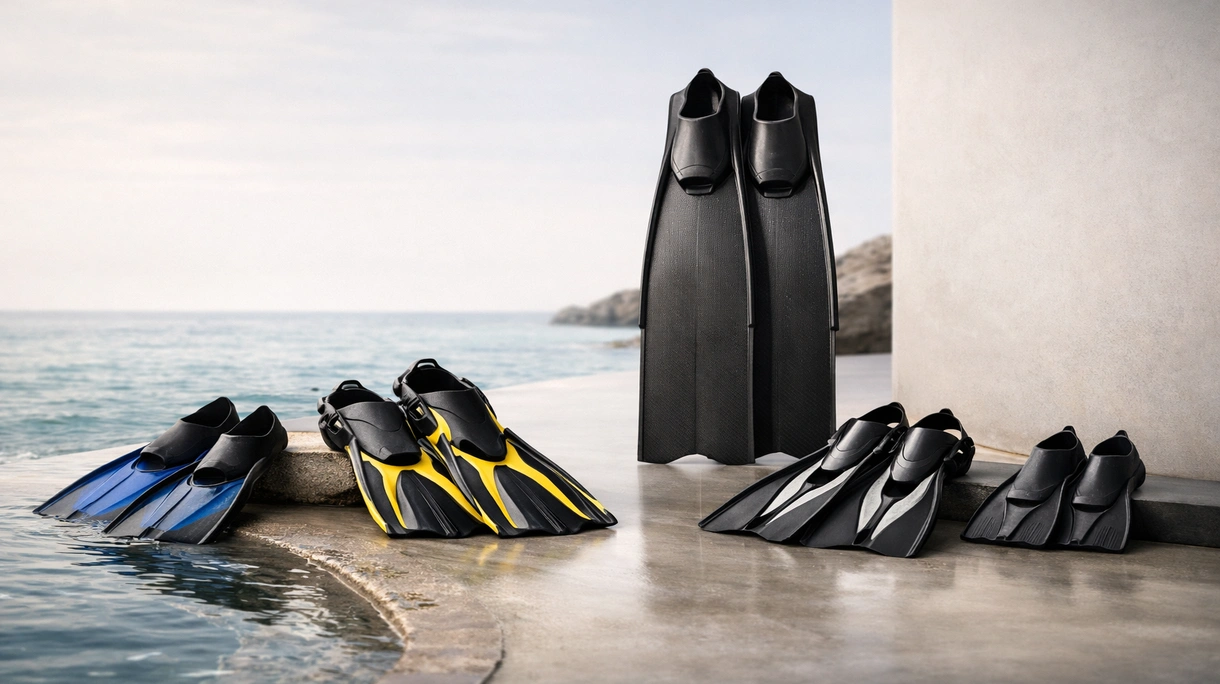
4 Criteria to choose your dive fins
Hydrodynamic Propulsion Efficiency
Minimizes diver fatigue during prolonged hull inspections, ensuring high work-to-energy ratios for commercial divers and maintenance crews.
Material Chemical Resistance
Marine-grade polymers must withstand exposure to fuels and hydraulic oils commonly found during shipyard maintenance and salvage.
Standardized Boot Compatibility
Universal foot pocket dimensions allow seamless integration with various professional thermal boots and pressurized drysuit systems globally.
Operational Longevity Rating
High-density composites prevent structural fatigue under high-torque conditions, reducing procurement cycles and long-term fleet operating costs.
Available technologies and advantages
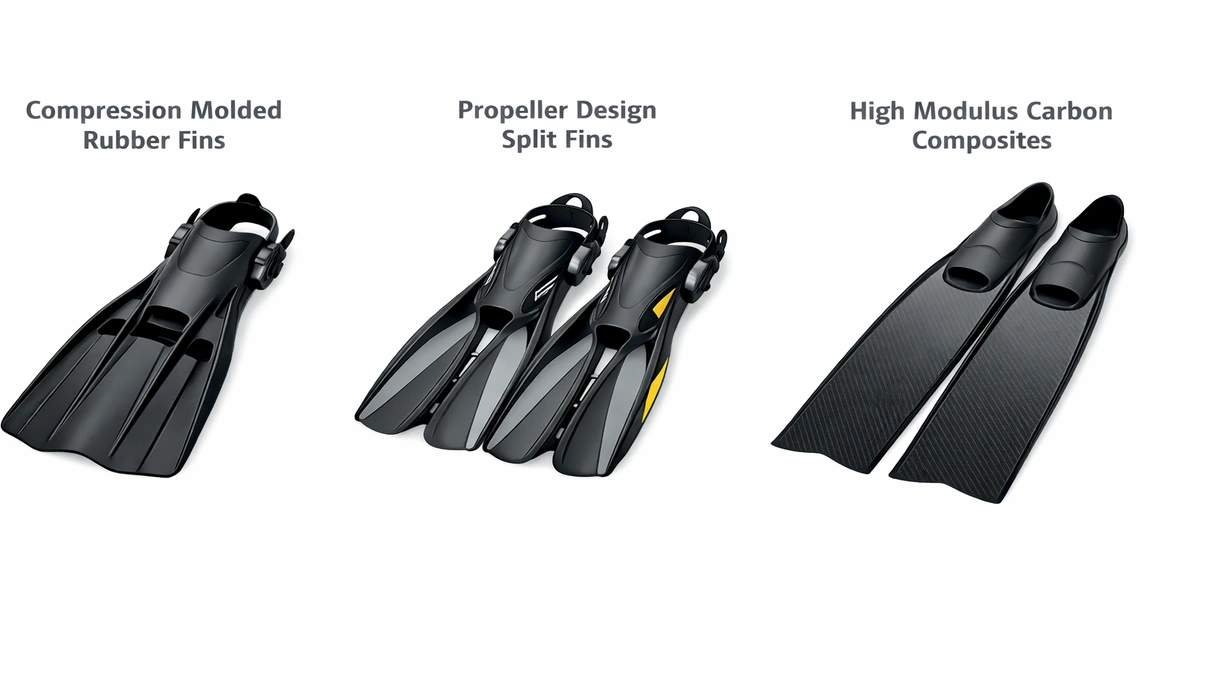
Compression Molded Rubber Fins
Rigid rubber construction utilizes flow channels to reduce drag on the upstroke while maximizing thrust during the power phase. These are essential for heavy-load diving. These offer extreme durability and high propulsion but increase weight and diver fatigue. The trade-off is superior control at the cost of high physical exertion.
Propeller Design Split Fins
Twin blades function like propellers to reduce drag and increase efficiency through high-frequency kicking rather than raw physical strength. This reduces gas consumption. Efficiency is high and joint stress is low, yet they struggle in strong currents. Users trade static thrust for sustained aerobic endurance.
High Modulus Carbon Composites
Advanced carbon weaves provide exceptional snap and energy return, translating minimal foot movement into significant forward momentum for deep hull surveys. These deliver unmatched power-to-weight ratios but are fragile against impact. Operators prioritize ultimate performance over the ruggedness of traditional polymers.
6 expert tips
Prioritize open-heel designs with stainless steel spring straps to ensure rapid donning and consistent tension during deep-sea operations.
Select high-density rubber compounds for commercial hull cleanings to prevent material degradation from harsh chemical exposure and debris.
Standardize fleet equipment with neutral buoyancy models to maintain precise trim during sensitive underwater technical inspections and repairs.
Verify that fin blade stiffness matches the physical requirements of technical divers to optimize oxygen consumption and mission duration.
Always verify the technical certification to ensure compliance with international maritime safety standards and long-term asset durability.
Analyze the lifecycle cost of carbon composites versus polymers to balance initial capital expenditure against long-term fuel savings.
Innovations and Trends
Modern manufacturing processes utilize reclaimed maritime waste to meet corporate environmental ESG targets while maintaining structural integrity.
Mechanical hinges adjust the angle of attack automatically to optimize thrust efficiency across varying underwater current conditions.
Bio-engineered surfaces prevent marine growth and bacterial accumulation on equipment stored in humid onboard dive lockers.
Embedded modules track diver kick frequency and depth to provide data-driven performance analytics for commercial fleet managers.
*Prices are pre-tax. They exclude delivery charges and customs duties and do not include additional charges for installation or activation options. Prices are indicative only and may vary by country, with changes to the cost of raw materials and exchange rates.
About NauticExpo
NauticExpo is a marketplace that offers B2B players a complete experience, from product sourcing to purchase. NauticExpo is an entity of VirtualExpo Group.
Are you a buyer?
Are you a supplier?