
- Home page
- buying guide
- turbocharged engine
turbocharged engine
turbocharged engine: A technical guide
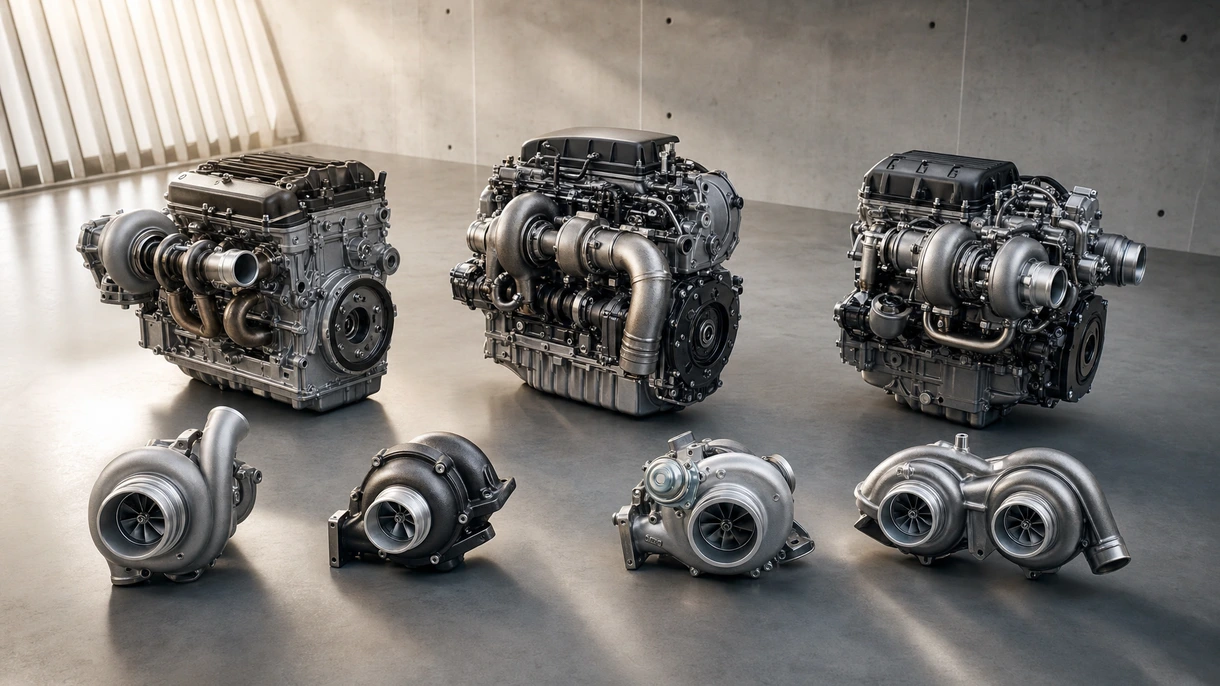
4 Criteria to choose your turbocharged engine
Optimized power density
High power density ensures rapid planing and improves fuel efficiency for weight-sensitive hulls in both yachts and professional tenders.
Maritime emission compliance
Engines must meet international environmental standards to ensure legal access to restricted coastal waters and protected nautical zones.
Operational service intervals
Fleet operators require predictable maintenance cycles to minimize dry-docking costs and maintain high vessel availability throughout the season.
Thermal management efficiency
Robust heat exchangers and corrosion-resistant housings prevent thermal fatigue during high-load operations in aggressive salt-heavy maritime environments.
Available technologies and advantages
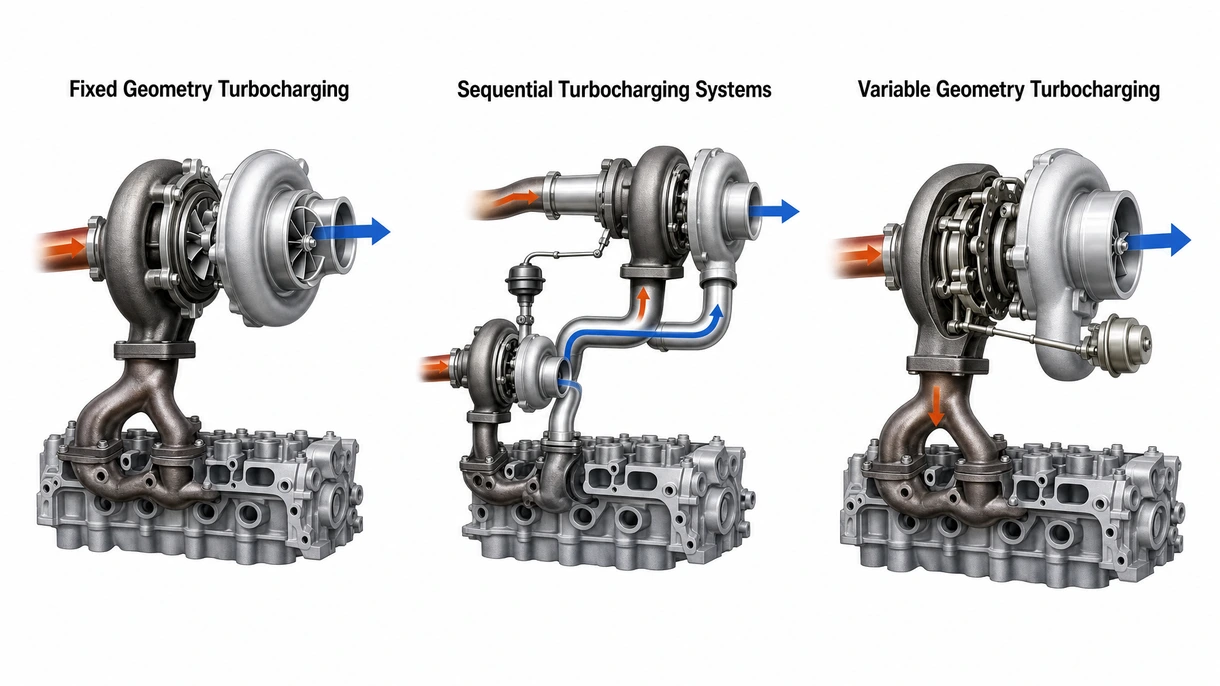
Fixed Geometry Turbocharging
Traditional setups utilize a static turbine housing optimized for high-speed cruising, offering extreme durability for continuous commercial shipping applications. This simple design ensures high reliability and lower maintenance costs, despite limited efficiency during low-speed maneuvering.
Sequential Turbocharging Systems
Multiple chargers engage at different rotational speeds to provide a linear power curve which is essential for heavy displacement vessel performance. This configuration improves fuel economy across the range but increases system complexity and engine room space requirements.
Variable Geometry Turbocharging
Pivoting vanes adjust exhaust gas flow to optimize turbine speed, delivering high boost pressure even at lower engine revolutions. Operators benefit from exceptional acceleration and efficiency, yet high-temperature mechanical components require frequent technical inspections.
6 expert tips
Prioritize propulsion systems with global service networks to minimize vessel downtime during critical peak seasonal charter operations worldwide.
Evaluate the total cost of ownership by calculating fuel consumption rates against projected annual nautical engine running hours.
Select marine engines that integrate seamlessly with existing onboard electronic monitoring systems for real-time performance tracking and diagnostics.
Ensure the turbocharger components feature specialized coatings to resist the aggressive corrosive effects of humid saltwater engine rooms.
Inspect the physical dimensions and mounting requirements to ensure compatible integration within the ship's specific engine room layout.
Always verify the technical certification to ensure compliance with local building safety standards and long-term durability.
Innovations and Trends
Dual-stage turbocharging systems deliver unprecedented fuel efficiency for large yachts while meeting strict international maritime emission regulations.
Electric-assisted turbochargers eliminate low-end lag, providing immediate torque for safer harbor maneuvering and improved pilotage in crowded ports.
Integration of digital twins allows shore-based engineers to monitor turbocharger health and predict maintenance before component failure occurs.
Alternative fuel compatibility ensures that modern turbochargers can handle the combustion characteristics of green methanol or ammonia fuels.
*Prices are pre-tax. They exclude delivery charges and customs duties and do not include additional charges for installation or activation options. Prices are indicative only and may vary by country, with changes to the cost of raw materials and exchange rates.
About NauticExpo
NauticExpo is a marketplace that offers B2B players a complete experience, from product sourcing to purchase. NauticExpo is an entity of VirtualExpo Group.
Are you a buyer?
Are you a supplier?