
- Home page
- buying guide
- in-line engine
in-line engine
in-line engine: A technical guide
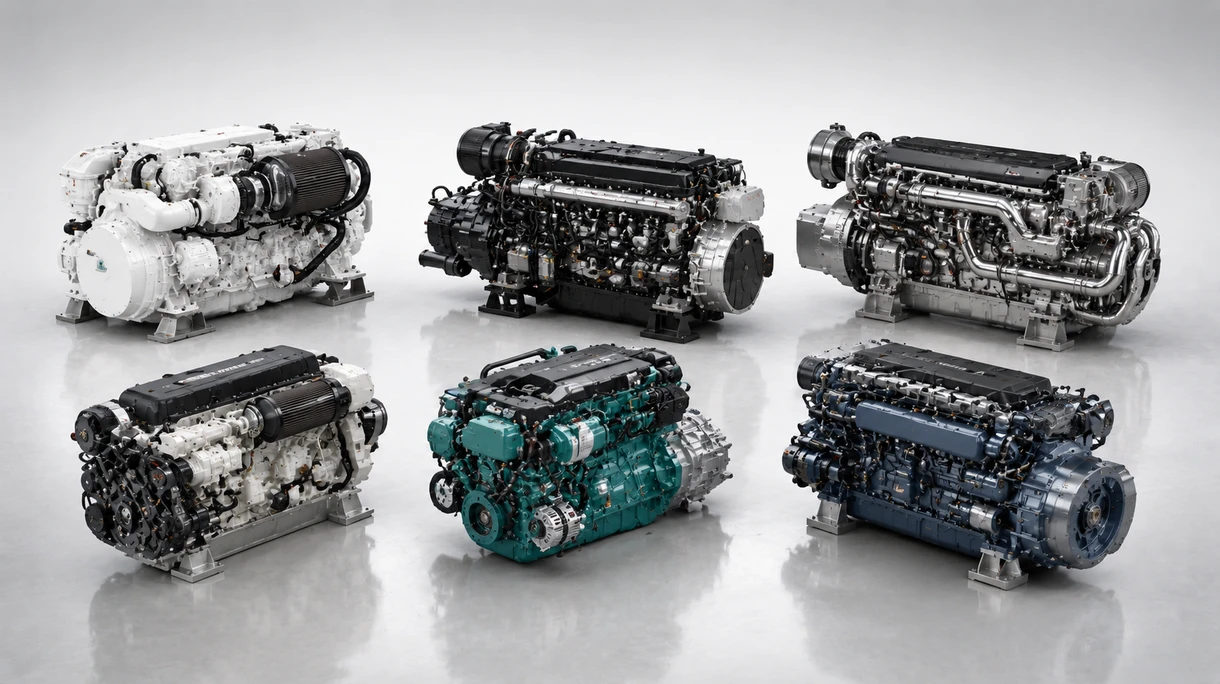
4 Criteria to choose your in-line engine
Power-to-Weight Ratio
High power density ensures vessel speed while minimizing displacement, crucial for planing hulls and fuel efficiency in mid-sized vessels.
Service Access Space
Side-access maintenance requirements dictate engine room layout, affecting long-term labor costs and technician safety during routine maritime inspections.
Vibration Damping Efficiency
Superior primary balance in six-cylinder configurations reduces structural fatigue on the hull and enhances passenger comfort during long-haul voyages.
IMO Tier three Compliance
Strict adherence to international emission standards ensures vessel resale value and grants access to regulated North American and European ports.
Available technologies and advantages
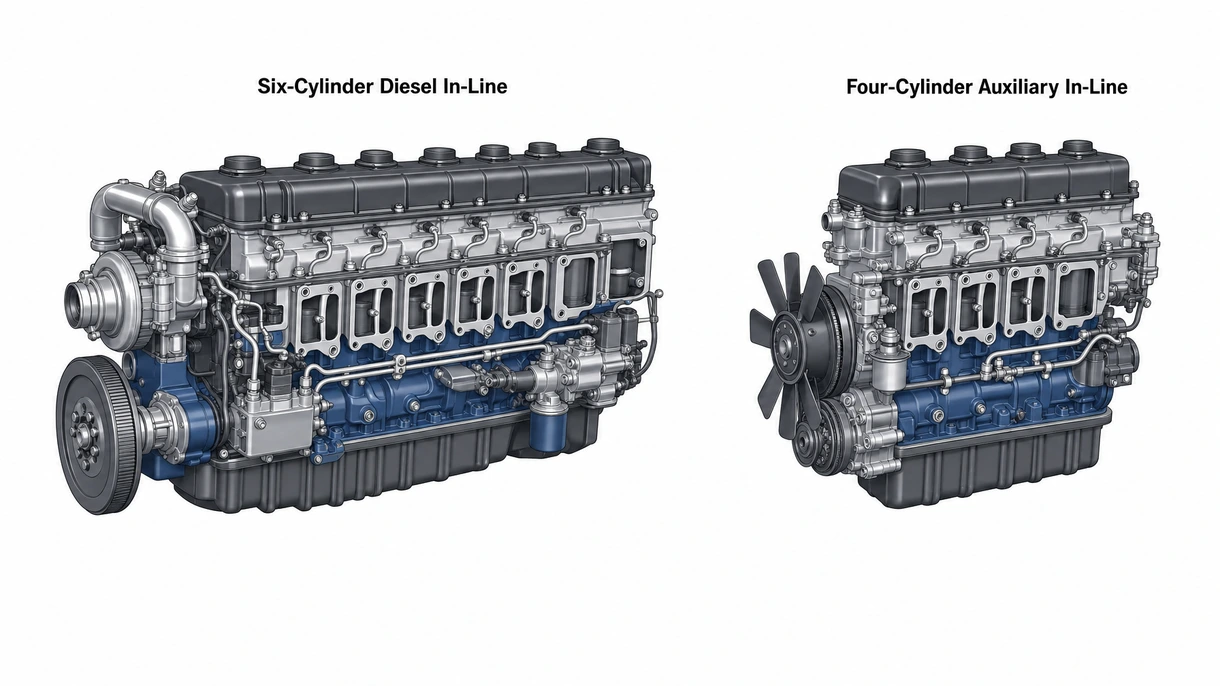
Six-Cylinder Diesel In-Line
These units utilize a single cylinder bank, providing perfect primary and secondary balance to minimize torsional vibration in propulsion shafts and marine hulls.
Operational Trade-offs
Offers unmatched reliability and easier maintenance access but occupies significant longitudinal space compared to V-shaped engines within compact engine rooms.
Four-Cylinder Auxiliary In-Line
Designed specifically for generator sets and secondary propulsion, these compact blocks focus on fuel economy and highly simplified mechanical raw water cooling systems.
Functional Advantages
Provides excellent fuel efficiency for constant-load operations although they may require additional balancer shafts to mitigate inherent vertical vibrations.
6 expert tips
Prioritize engines with global service networks to minimize downtime during international voyages and ensure rapid spare parts delivery schedules.
Evaluate the total cost of ownership including fuel consumption curves and planned overhaul intervals before finalizing any procurement contract.
Select models with integrated electronic monitoring systems to provide real-time data for predictive maintenance and fleet-wide performance optimization strategies.
Assess the mounting footprint and height requirements to ensure compatibility with existing hull structures and exhaust gas treatment systems.
Negotiate comprehensive warranty terms covering both parts and specialized labor to protect capital investment against unforeseen mechanical component failures.
Always verify the technical certification to ensure compliance with local building safety standards and long-term durability.
Innovations and Trends
New in-line blocks feature modular power take-offs for electric motors, reducing fuel consumption by fifteen percent during harbor maneuvers.
Precision fuel injection technology reduces particulate matter significantly, meeting the latest EPA Tier four and Euro Stage five maritime regulations.
Cloud-connected sensors monitor internal thermal stress to predict component failure months before operational downtime occurs in heavy-duty marine applications.
Factory-installed systems now allow seamless transition to HVO or methanol, ensuring long-term compliance with evolving maritime decarbonization mandates globally.
*Prices are pre-tax. They exclude delivery charges and customs duties and do not include additional charges for installation or activation options. Prices are indicative only and may vary by country, with changes to the cost of raw materials and exchange rates.
About NauticExpo
NauticExpo is a marketplace that offers B2B players a complete experience, from product sourcing to purchase. NauticExpo is an entity of VirtualExpo Group.
Are you a buyer?
Are you a supplier?