
- Home page
- buying guide
- commercial engine
commercial engine
commercial engine: A technical guide
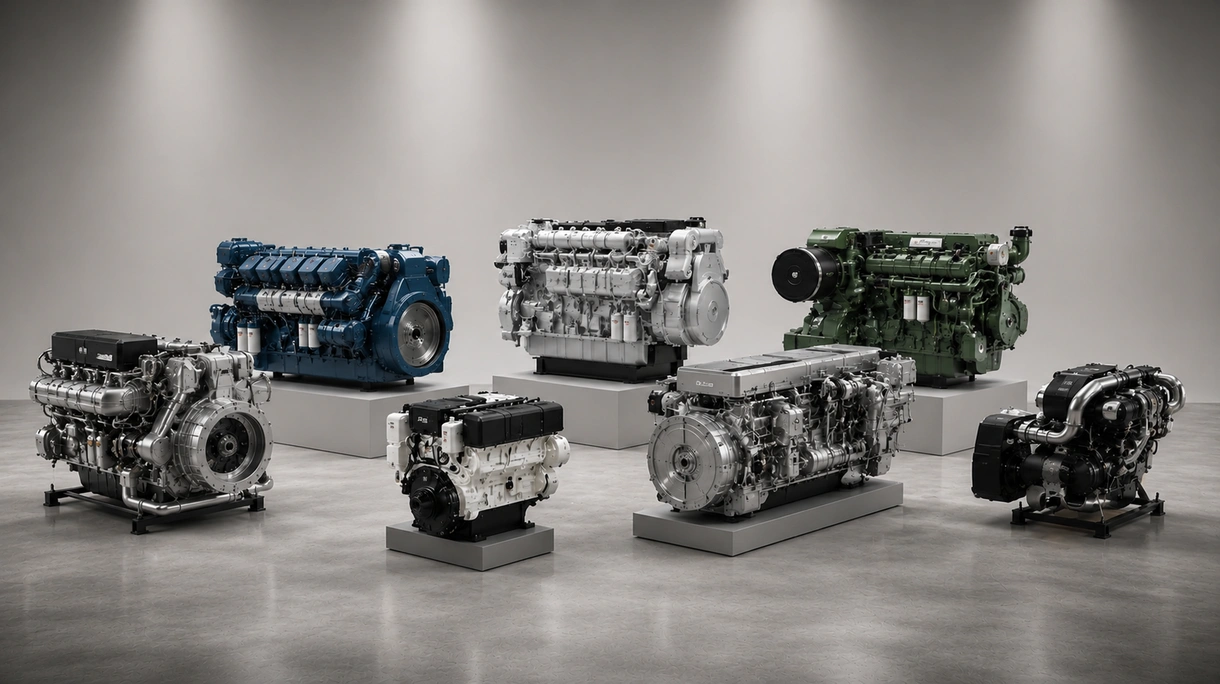
4 Criteria to choose your commercial engine
Specific Fuel Consumption.
Fleet operators prioritize low consumption at cruise speeds to minimize operational expenditure and maximize range during extended commercial voyages.
Power-To-Weight Ratio.
Optimizing engine weight increases payload capacity and vessel efficiency while maintaining the necessary structural integrity of the ship's hull.
Regulatory Emission Compliance.
Strict adherence to IMO Tier III and EPA Tier IV standards ensures legal operation in restricted international emission control areas.
Lifecycle Maintenance Costs.
Predictable service intervals and global parts availability are essential for minimizing downtime and ensuring continuous vessel mission readiness overseas.
Available technologies and advantages
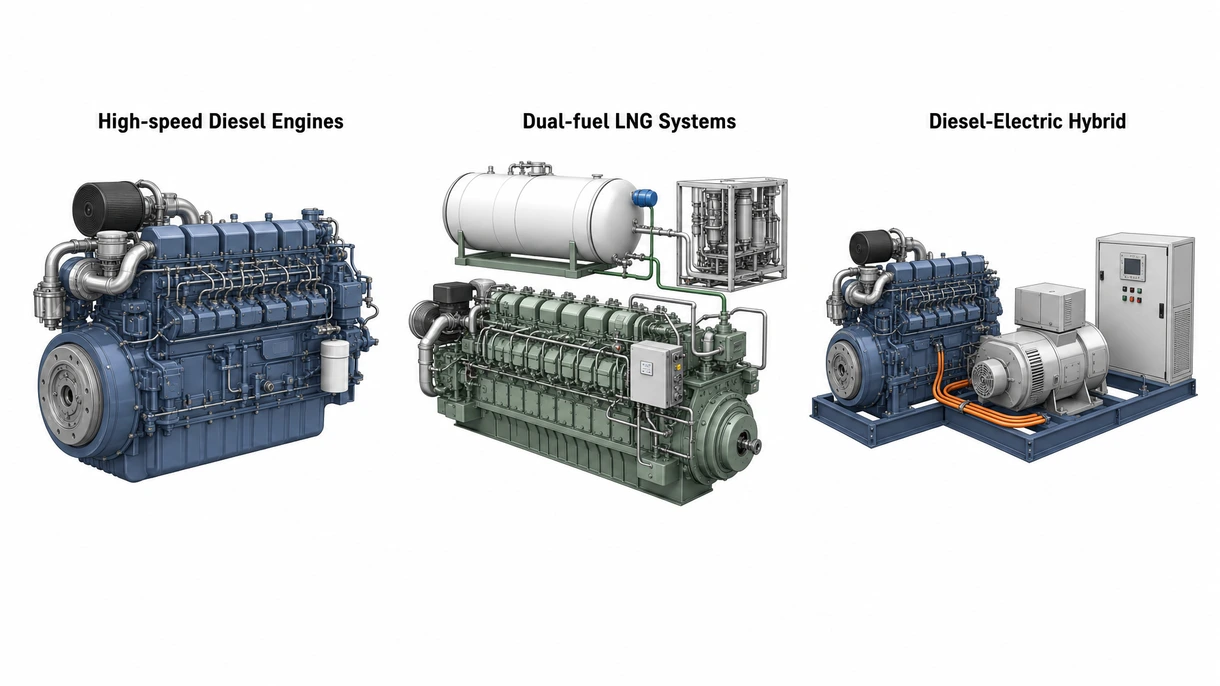
High-speed Diesel Engines.
High-speed units offer compact dimensions and rapid response times compared to medium-speed alternatives, providing a lightweight solution for light ferry applications. These engines provide lower upfront costs but require more frequent maintenance cycles, creating a trade-off between capital investment and long-term reliability.
Dual-fuel LNG Systems.
These systems utilize liquefied natural gas to significantly reduce sulfur and nitrogen oxides while maintaining diesel backup for essential operational safety. Operational flexibility is the primary benefit, though high capital costs and complex fuel storage infrastructure represent major limitations for smaller shipping companies.
Diesel-Electric Hybrid.
Hybrid configurations combine traditional internal combustion with advanced battery storage to optimize engine load profiles and reduce fuel waste during vessel idling. Excellent efficiency at variable speeds offers a clear advantage, despite added weight from battery banks and complex electrical power management requirements.
6 expert tips
Prioritize engines with global service networks to ensure technical support and spare parts availability in all major international ports.
Calculate total cost of ownership by including fuel consumption, maintenance intervals, and projected overhaul expenses over twenty years.
Select propulsion systems that meet the most stringent regional emission regulations to future-proof the vessel against evolving environmental laws.
Conduct comprehensive torsional vibration analysis to protect the drivetrain and ensure the long-term structural integrity of the marine installation.
Verify engine compatibility with digital monitoring systems to enable predictive maintenance and optimize real-time performance tracking for fleet managers.
Always verify the technical certification to ensure compliance with local building safety standards and long-term durability.
Innovations and Trends
Methanol-ready combustion platforms allow shipowners to transition toward carbon-neutral operations while maintaining high mechanical reliability and safety standards.
Selective Catalytic Reduction integration ensures compliance with IMO Tier III limits by significantly reducing nitrogen oxide exhaust emissions.
Artificial intelligence based engine diagnostics provide real-time performance optimization and reduce the risk of catastrophic mid-voyage mechanical failures.
Hydrogen combustion technology development aims for zero-emission coastal shipping operations to meet upcoming European Green Deal maritime targets.
*Prices are pre-tax. They exclude delivery charges and customs duties and do not include additional charges for installation or activation options. Prices are indicative only and may vary by country, with changes to the cost of raw materials and exchange rates.
About NauticExpo
NauticExpo is a marketplace that offers B2B players a complete experience, from product sourcing to purchase. NauticExpo is an entity of VirtualExpo Group.
Are you a buyer?
Are you a supplier?