
- Home page
- buying guide
- electric engine
electric engine
electric engine: A technical guide
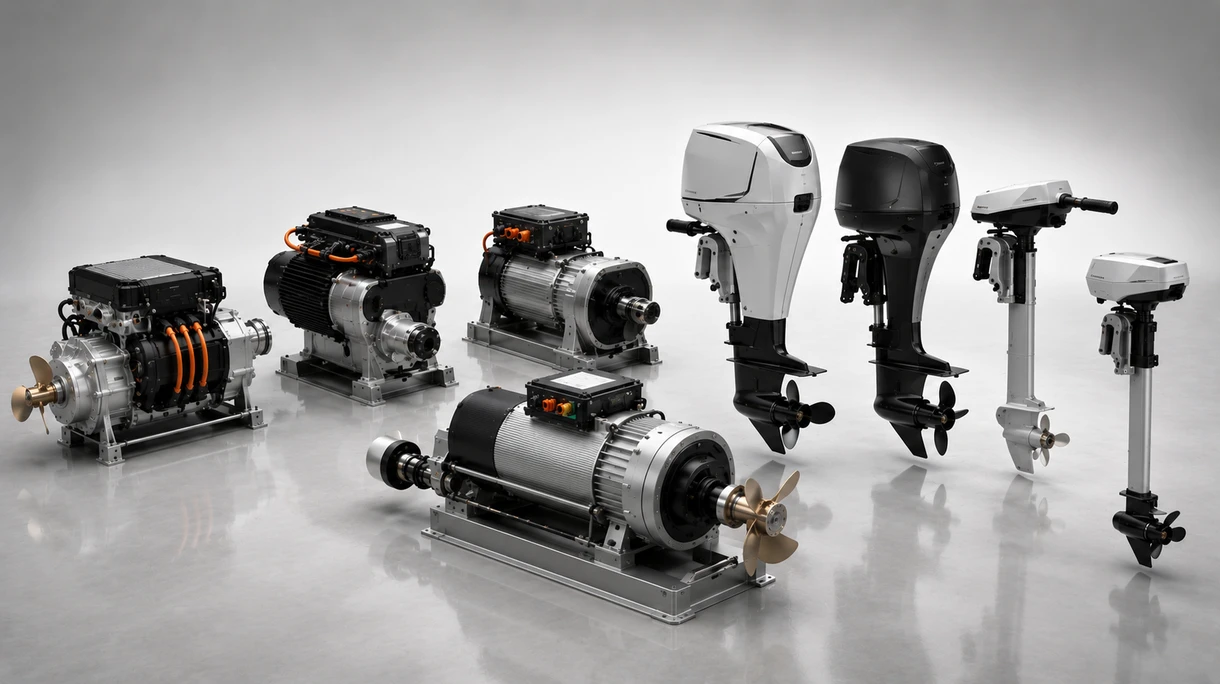
4 Criteria to choose your electric engine
Energy density and range
Systems must provide sufficient kilowatt hours to meet commercial duty cycles while maintaining displacement targets for optimal hull performance.
Continuous power rating
Marine engineers prioritize motors capable of sustained thermal stability at high loads over peak power ratings during offshore transit.
System integration compatibility
Seamless communication between motor controllers and nautical networks is vital for real-time propulsion monitoring and essential vessel safety.
Saltwater corrosion resistance
Components require high ingress protection ratings and marine grade alloys to withstand the harsh corrosive environments of coastal operations.
Available technologies and advantages
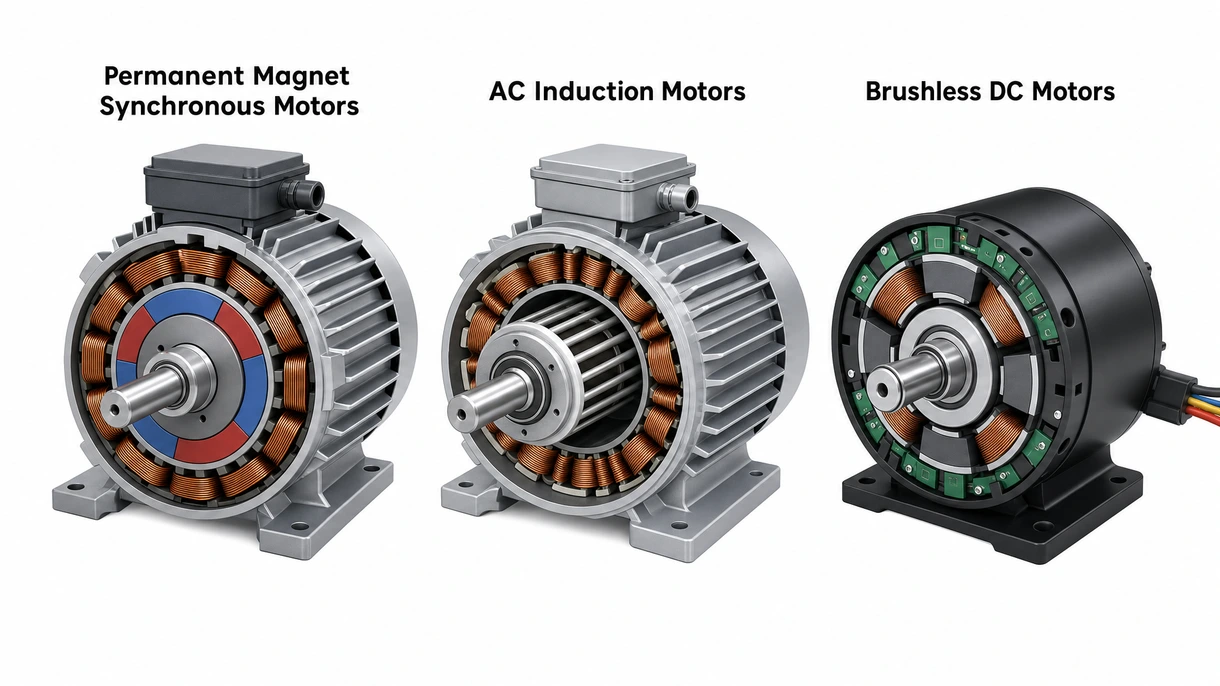
Permanent Magnet Synchronous Motors
These motors offer superior torque density compared to induction systems, providing yacht designers with compact and highly efficient propulsion solutions for modern vessels.
Operational Trade-offs
Advantages include peak efficiency and small footprints while limitations involve high cost and the necessity for advanced liquid cooling during heavy operations.
AC Induction Motors
Induction systems provide extreme ruggedness for heavy commercial duty cycles, though they exhibit lower efficiency and higher weight compared to permanent magnet alternatives.
Operational Trade-offs
These engines offer unmatched durability and lower acquisition costs but require more space and significantly increase the total vessel displacement weight.
Brushless DC Motors
Brushless engines provide reliable auxiliary power for smaller displacement boats where maintenance free operation is prioritized over extreme range or high speed performance.
Operational Trade-offs
Simple integration and low maintenance represent primary advantages whereas limited power scaling and lower thermal thresholds restrict usage to lighter nautical applications.
6 expert tips
Prioritize total cost of ownership by calculating battery cycle life against traditional diesel maintenance and fuel expenditure schedules.
Select propulsion systems that integrate redundant battery banks to ensure vessel maneuverability during critical component or cell failures.
Evaluate the global service network of manufacturers to minimize downtime during international transit or remote charter operations.
Analyze peak charging infrastructure requirements at home ports to avoid significant capital expenditures on local electrical grid upgrades.
Optimize hull design for electric propulsion to reduce drag and maximize the operational range of energy storage systems.
Always verify the technical certification to ensure compliance with local building safety standards and long-term durability.
Innovations and Trends
High voltage architectures exceeding eight hundred volts are reducing cable weight and increasing charging speeds for large commercial catamarans.
Solid state battery integration is approaching commercial viability to double energy density and meet strict maritime fire safety regulations.
Hydrogen fuel cell range extenders are being deployed to overcome lithium capacity limits for long range offshore patrol vessels.
Hydro generation software updates allow sailing yachts to recharge propulsion banks while under wind power with minimal drag impact.
*Prices are pre-tax. They exclude delivery charges and customs duties and do not include additional charges for installation or activation options. Prices are indicative only and may vary by country, with changes to the cost of raw materials and exchange rates.
About NauticExpo
NauticExpo is a marketplace that offers B2B players a complete experience, from product sourcing to purchase. NauticExpo is an entity of VirtualExpo Group.
Are you a buyer?
Are you a supplier?