
- Home page
- buying guide
- mooring dock
mooring dock
mooring dock: A technical guide
4 Criteria to choose your mooring dock
Structural load-bearing capacity
Heavy-duty frames must withstand significant tensile forces from large vessels and extreme tidal surges without compromising structural integrity.
Corrosion and salinity resistance
Marine-grade materials are essential to prevent electrolytic degradation and salt-induced oxidation in high-salinity coastal environments and marinas.
Modular configuration flexibility
Scalable layouts allow harbor masters to optimize berth occupancy and adjust for varying vessel beam widths or lengths.
Environmental impact compliance
Systems must meet rigorous ecological standards regarding seabed disturbance and chemical leaching to maintain operational dredging and building permits.
Available technologies and advantages
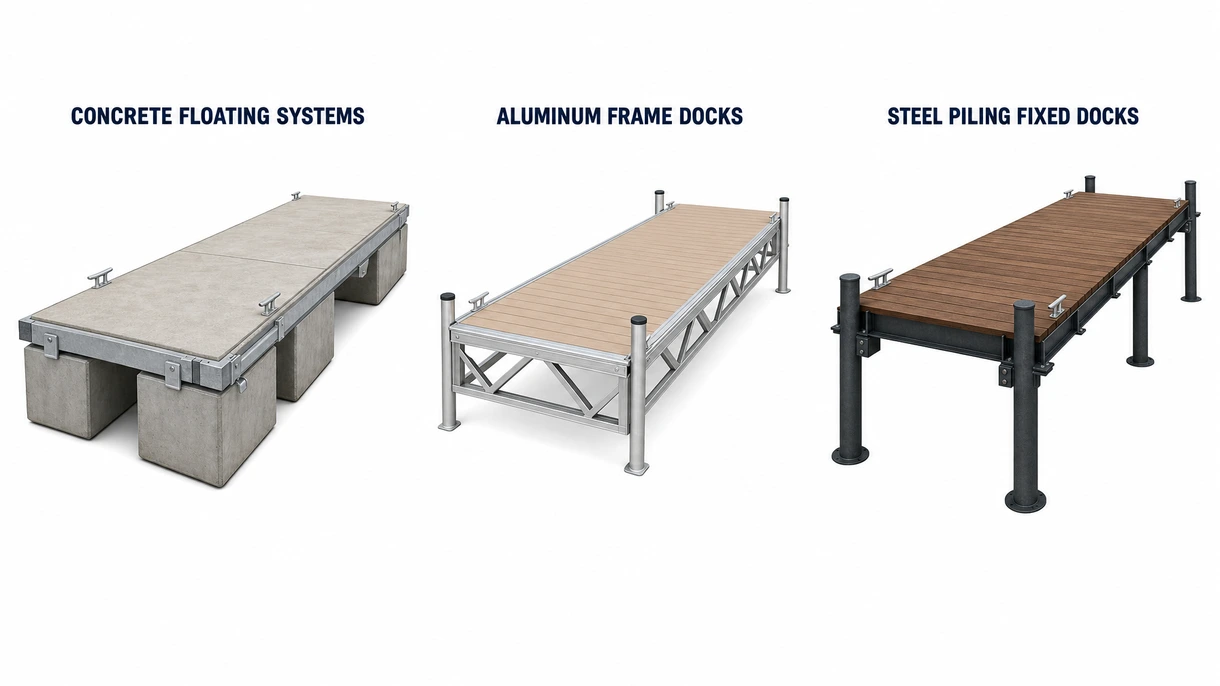
Concrete Floating Systems
These heavy-duty monolithic structures offer superior mass for wave attenuation and kinetic energy absorption compared to lightweight timber or aluminum counterparts. Advantages include exceptional stability and a fifty-year service life, though high initial capital and complex logistics limit remote deployments.
Aluminum Frame Docks
Engineered aluminum structures provide a high strength-to-weight ratio and superior corrosion resistance than galvanized steel in aggressive saltwater zones. Operational benefits involve rapid installation and modular track systems, yet they lack the natural dampening mass required for high-energy basins.
Steel Piling Fixed Docks
Fixed structures offer maximum vertical stability in regions with minimal tidal ranges or where heavy commercial vessel berthing is frequent. They provide unmatched durability for professional fleet operations but face significant structural stress during extreme sea level rises or surges.
6 expert tips
Prioritize docks with verified load certifications to ensure safety during peak mooring stress and seasonal storm surge events.
Evaluate the lifecycle cost by analyzing maintenance requirements for different flotation materials versus upfront installation capital expenditures.
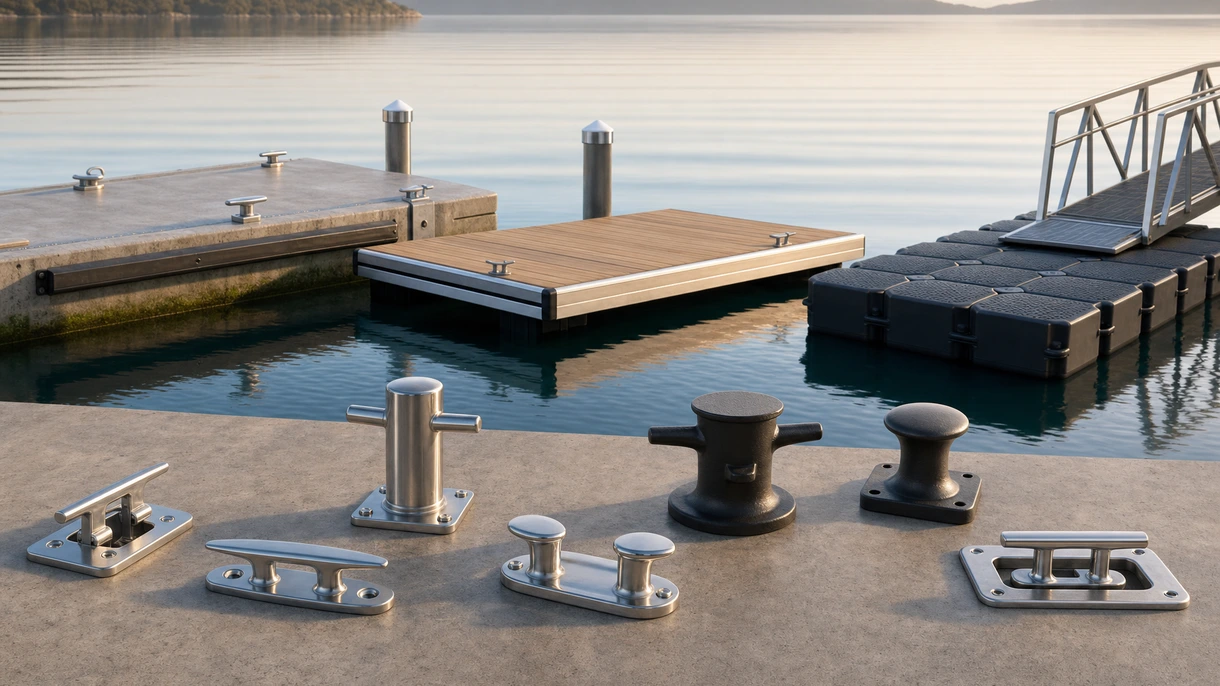
Verify that mooring cleats and bollards are integrated into the primary structural frame rather than just the decking.
Select modular docking systems that accommodate future power pedestal upgrades and integrated wastewater pump-out stations for yachting fleets.
Inspect the connection joints between modules as these are the primary failure points under constant wave fatigue cycles.
Always verify the technical certification to ensure compliance with local building safety standards and long-term durability.
Innovations and Trends
Smart sensor integration monitors real-time structural stress and mooring line tension to prevent catastrophic failure during major storms.
Eco-friendly translucent decking materials allow sunlight penetration to minimize the impact on local seagrass and benthic marine habitats.
Integrated solar-powered energy storage units within the dock frame reduce the need for expensive sub-grid electrical infrastructure.
High-performance recycled composite materials offer increased durability while meeting new European and American sustainability and circular economy regulations.
*Prices are pre-tax. They exclude delivery charges and customs duties and do not include additional charges for installation or activation options. Prices are indicative only and may vary by country, with changes to the cost of raw materials and exchange rates.
About NauticExpo
NauticExpo is a marketplace that offers B2B players a complete experience, from product sourcing to purchase. NauticExpo is an entity of VirtualExpo Group.
Are you a buyer?
Are you a supplier?