
- Home page
- buying guide
- modular dock
modular dock
modular dock: A technical guide
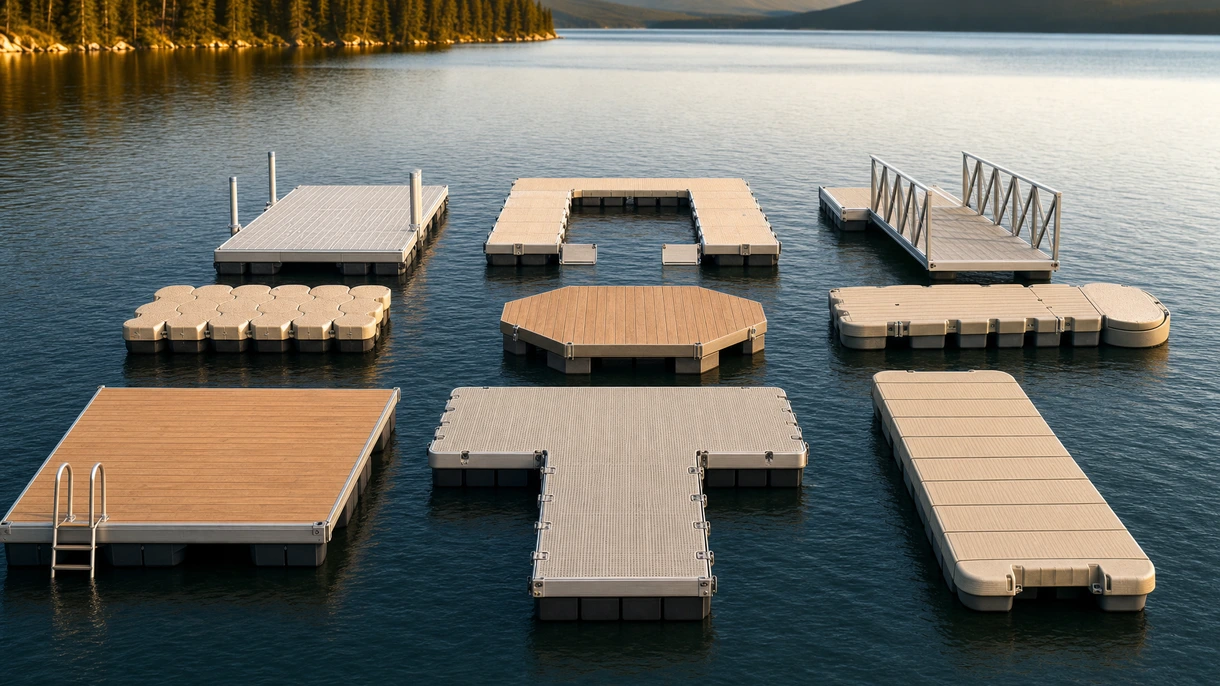
4 Criteria to choose your modular dock
High-density polyethylene buoyancy
UV-stabilized HDPE ensures long-term structural integrity and chemical resistance against harsh marine environments and varying salinity levels in harbors.
Dynamic load-bearing capacity
Systems must withstand specific PSF ratings to support heavy vessel traffic, pedestrian surges, and auxiliary equipment without structural deformation.
Modular connection strength
Heavy-duty pin and lug systems determine the overall stability and ability to dissipate energy during significant wave action events.
Maintenance-free composite materials
Marine-grade polymers eliminate rot, corrosion, and painting requirements, significantly reducing total cost of ownership for marina operators and shipyards.
Available technologies and advantages
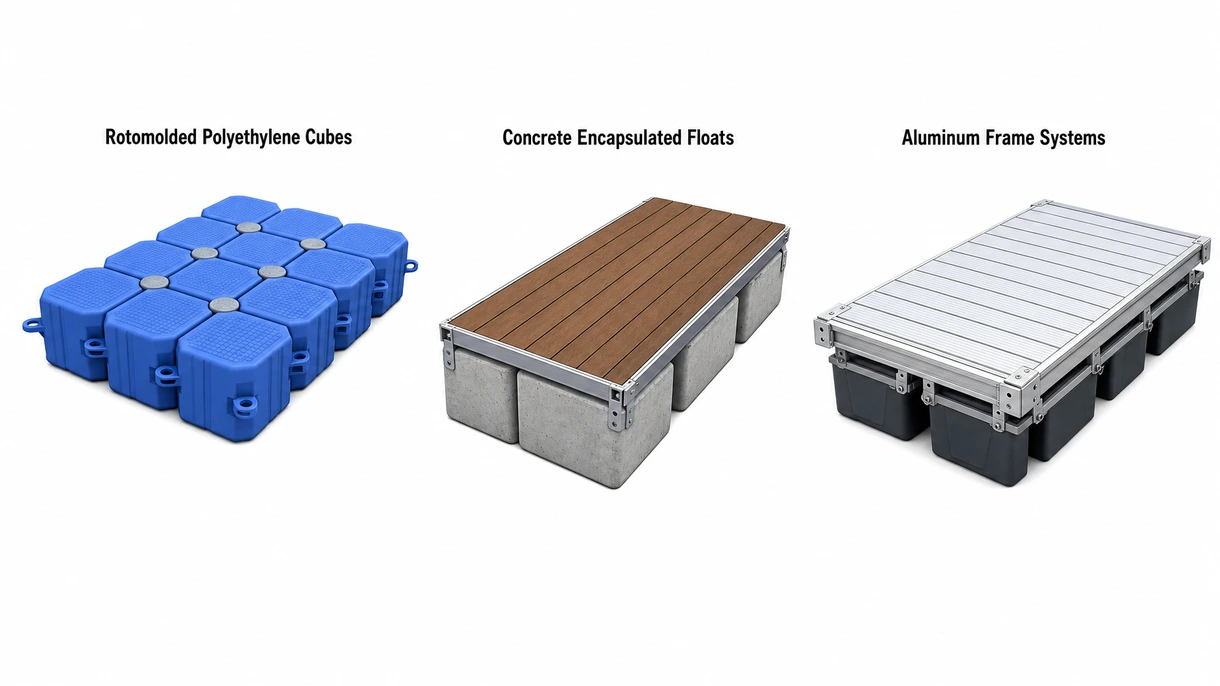
Rotomolded Polyethylene Cubes
These air-filled blocks offer versatility for small craft via interlocking lugs. They provide buoyancy but lack rigidity for heavy commercial boarding or significant tidal surges.
Concrete Encapsulated Floats
Heavy-duty foam cores encased in fiber-reinforced concrete provide superior stability for large yachts. While durable, they involve high logistics costs and require permanent anchoring systems rather than easy reconfiguration.
Aluminum Frame Systems
Lightweight marine-grade aluminum frames with composite decking offer high strength-to-weight ratios. They balance aesthetics with durability but require proper insulation to prevent galvanic corrosion.
6 expert tips
Always verify the technical certification to ensure compliance with local building safety standards and long-term durability.
Evaluate the specific gravity of polymer resins to ensure the floating structure maintains consistent freeboard under maximum load.
Select industrial-grade anchoring accessories that accommodate maximum tidal fluctuations and extreme wind loads expected at the specific installation.
Prioritize integrated non-slip deck textures that meet international maritime safety regulations to minimize liability risks for public facilities.
Request comprehensive lifecycle cost analyses comparing initial capital expenditure against long-term maintenance savings of specialized corrosion-resistant composite materials.
Confirm compatibility with existing utilities such as power pedestals and water lines to ensure seamless integration with marina infrastructure.
Innovations and Trends
Implementing recycled ocean plastics reduces environmental footprints while meeting emerging European maritime sustainability regulations and ESG reporting requirements.
IoT-enabled sensors monitor real-time buoyancy and structural stress, providing predictive maintenance data to improve safety for fleet operators.
Advanced polymer additives prevent marine growth and biofilm accumulation, extending service intervals and maintaining optimal aesthetic quality for yachting.
Specialized flexible couplers allow docks to absorb kinetic energy during tectonic events, protecting moored vessels and infrastructure from damage.
*Prices are pre-tax. They exclude delivery charges and customs duties and do not include additional charges for installation or activation options. Prices are indicative only and may vary by country, with changes to the cost of raw materials and exchange rates.
About NauticExpo
NauticExpo is a marketplace that offers B2B players a complete experience, from product sourcing to purchase. NauticExpo is an entity of VirtualExpo Group.
Are you a buyer?
Are you a supplier?