
- Home page
- buying guide
- hard-top express cruiser
hard-top express cruiser
hard-top express cruiser: A technical guide
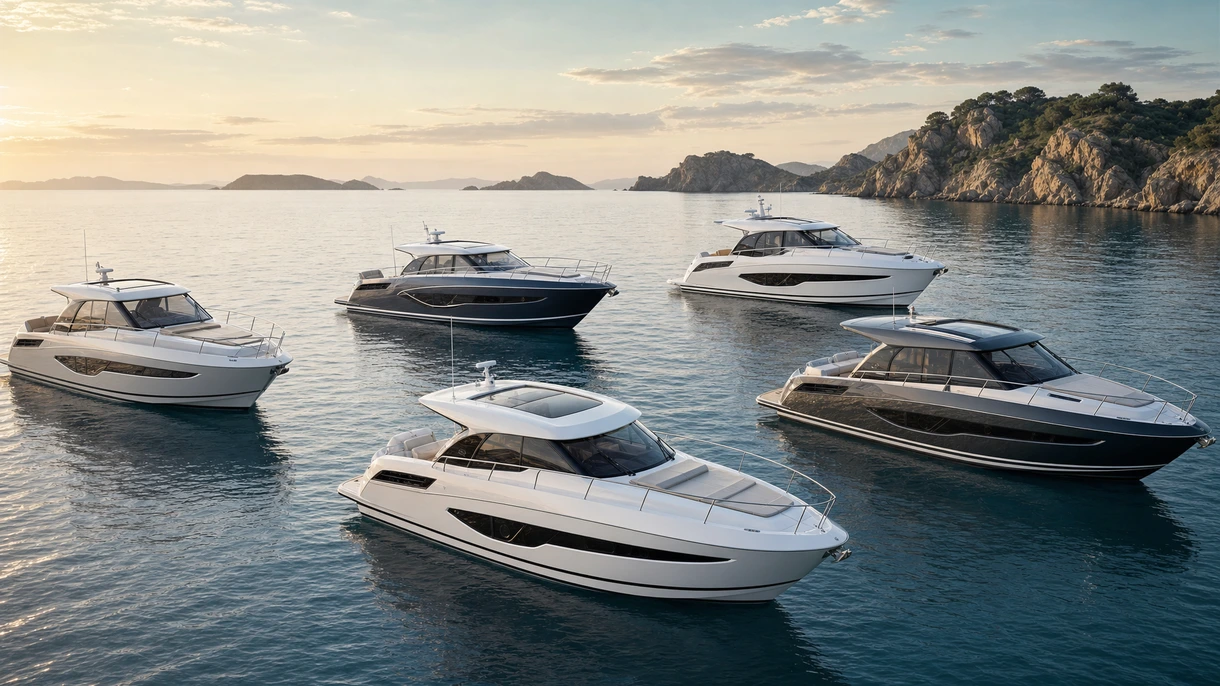
4 Criteria to choose your hard-top express cruiser
Structural hard-top integrity
Robust overhead protection must withstand gale-force winds and support heavy satellite communications equipment without compromising the vessel stability center.
Fuel burn efficiency
High-speed cruising requires optimized hull shapes to maintain low liters-per-hour consumption during long-range coastal transits between Mediterranean or Caribbean ports.
Cockpit climate control
Integration of high-BTU HVAC systems within the semi-enclosed deck ensures passenger comfort during extreme thermal fluctuations in tropical climates.
Engine room accessibility
Strategic layout of propulsion components allows for rapid maintenance cycles and minimizes downtime for commercial charter or private operations.
Available technologies and advantages
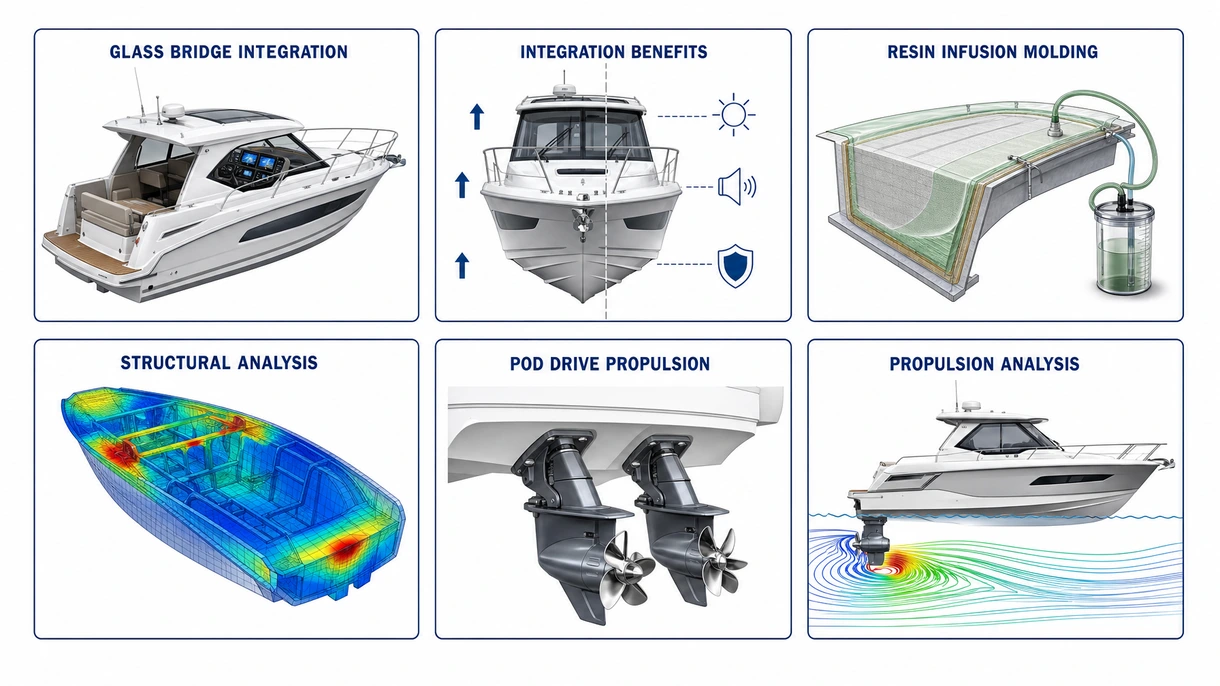
Glass Bridge Integration
Digital switching systems reduce wiring weight significantly and improve data distribution efficiency compared to traditional analog circuits or legacy standalone displays.
Integration Benefits
Advantages include streamlined helm layouts. Limitations involve software dependency. The operational trade-off balances technical complexity against information accuracy.
Resin Infusion Molding
Vacuum-infused hulls provide a much higher glass-to-resin ratio than hand-layup methods, resulting in a lighter and significantly stiffer vessel structure.
Structural Analysis
Advantages include enhanced fuel economy. Limitations include specialized shipyard repair requirements. The trade-off involves manufacturing cost versus durability.
Pod Drive Propulsion
Pod drives offer better fuel economy and docking precision than conventional shafts through horizontally oriented pulling or pushing propeller units.
Propulsion Analysis
Advantages include joystick control. Limitations involve higher maintenance costs. The trade-off is maneuverability versus mechanical simplicity.
6 expert tips
Check hull specs; always verify the technical certification to ensure compliance with local building safety standards and long-term durability.
Audit engine power; always verify the technical certification to ensure compliance with local building safety standards and long-term durability.
Test fire protection; always verify the technical certification to ensure compliance with local building safety standards and long-term durability.
Inspect electrical grids; always verify the technical certification to ensure compliance with local building safety standards and long-term durability.
Verify fuel tanks; always verify the technical certification to ensure compliance with local building safety standards and long-term durability.
Review deck fittings; always verify the technical certification to ensure compliance with local building safety standards and long-term durability.
Innovations and Trends
High-efficiency photovoltaic cells embedded in the composite roof provide silent power for hotel loads, reducing generator run hours.
Retractable hydrofoils decrease drag at high speeds, improving fuel efficiency by twenty percent while enhancing overall ride stability.
Dual-mode systems allow for emission-free harbor maneuvering and traditional diesel power for high-speed coastal cruising between major ports.
Basalt fibers and bio-resins are replacing traditional fiberglass to meet stricter European environmental regulations regarding end-of-life vessel recycling.
*Prices are pre-tax. They exclude delivery charges and customs duties and do not include additional charges for installation or activation options. Prices are indicative only and may vary by country, with changes to the cost of raw materials and exchange rates.
About NauticExpo
NauticExpo is a marketplace that offers B2B players a complete experience, from product sourcing to purchase. NauticExpo is an entity of VirtualExpo Group.
Are you a buyer?
Are you a supplier?