
- Home page
- buying guide
- solo kayak
solo kayak
solo kayak: A technical guide
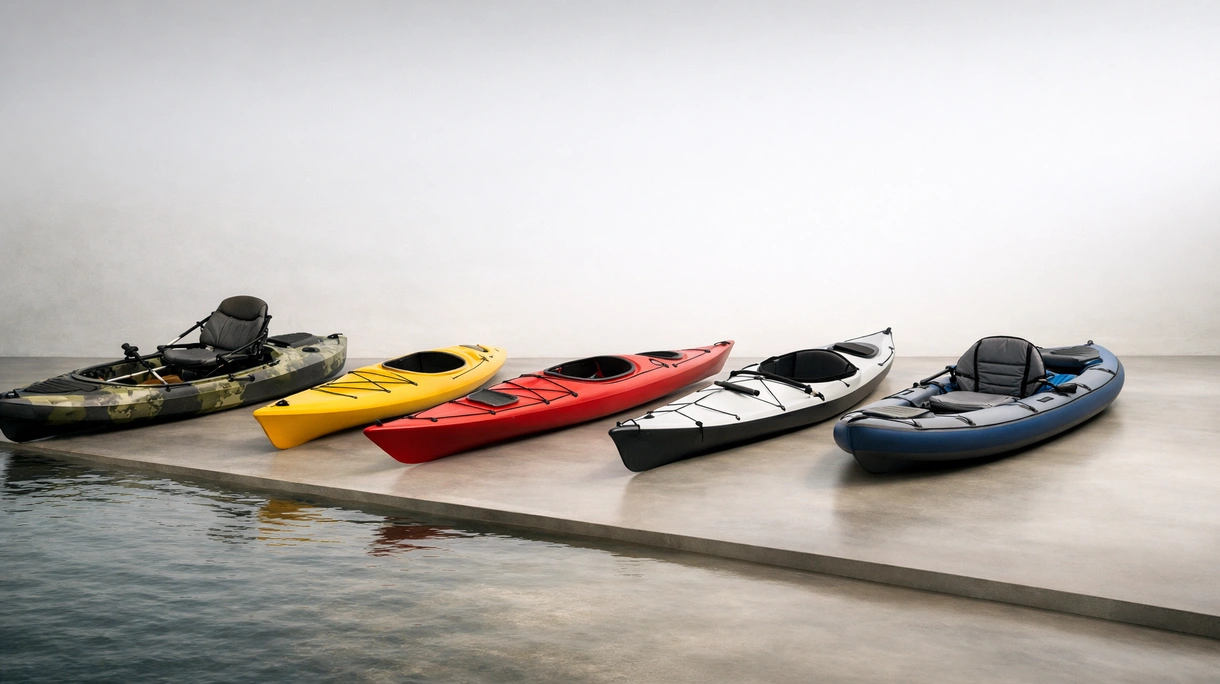
4 Criteria to choose your solo kayak
Hull Material Durability
High-density polyethylene or carbon composites ensure longevity against abrasive shoreline impacts and UV degradation in professional rental fleets.
Primary Stability Rating
Hull geometry must prioritize static stability for inexperienced clients or technical crew maneuvers in varied coastal sea conditions.
Marine Hardware Resilience
All attachment points and rudder components require 316-grade stainless steel or anodized aluminum to prevent accelerated saltwater corrosion.
Storage Volume Efficiency
Compact footprints and stackable designs are essential for maximizing deck space on mother ships or limited marina rack storage.
Available technologies and advantages
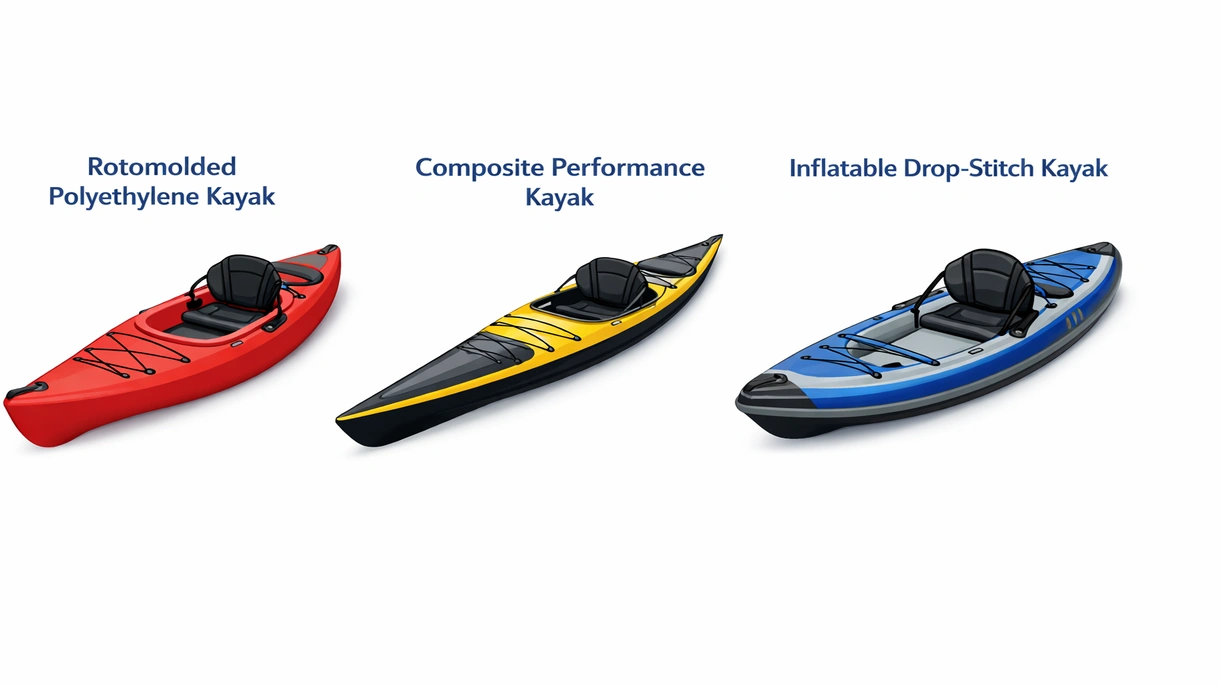
Rotomolded Polyethylene Kayaks
These vessels utilize high-grade polymers providing extreme impact resistance and low lifecycle costs compared to thermoformed alternatives in heavy-use environments. Operators benefit from indestructible hulls, though significant weight complicates manual deployment and reduces overall hydrodynamic speed in commercial applications.
Composite Performance Kayaks
Constructed from fiberglass or carbon-aramid fibers, these units offer superior stiffness and hydrodynamic efficiency for long-distance maritime patrol or touring missions. They deliver exceptional weight-to-performance ratios but remain vulnerable to structural damage from sharp debris and require expensive specialized repair skills.
Inflatable Drop-Stitch Kayaks
High-pressure drop-stitch technology allows these kayaks to achieve rigid-hull performance levels while maintaining the portability required for luxury yacht tender garages. This technology optimizes storage efficiency and deployment speed but involves higher puncture risks and requires periodic pressure management during temperature shifts.
6 expert tips
Prioritize vessels with integrated reinforced keel strips to protect the structural integrity during repeated beach landings and rocky deployments.
Evaluate the availability of modular replacement components to ensure rapid field repairs and minimize operational downtime for commercial fleets.
Verify that all deck fittings are through-bolted with backing plates to withstand the mechanical stresses of high-frequency commercial usage.
Select colors with high UV resistance ratings to maintain professional aesthetic standards and visibility during open ocean rescue operations.
Source units from manufacturers providing comprehensive technical support and bulk procurement discounts for international maritime hospitality or research projects.
Always verify the technical certification to ensure compliance with local building safety standards and long-term durability.
Innovations and Trends
New circular economy polymers allow shipyards to reclaim hull materials at end-of-life, meeting emerging European maritime sustainability directives.
Low-profile electric jet drives provide silent maneuverability in sensitive marine protected areas, enhancing eco-tourism capabilities for luxury cruise operators.
Integrated GPS and IoT sensors allow marina managers to monitor fleet location and safety status in real-time via centralized dashboards.
Hydraulic-assisted seat adjustments reduce operator fatigue during extended professional survey missions or full-day commercial rental periods in varied climates.
*Prices are pre-tax. They exclude delivery charges and customs duties and do not include additional charges for installation or activation options. Prices are indicative only and may vary by country, with changes to the cost of raw materials and exchange rates.
About NauticExpo
NauticExpo is a marketplace that offers B2B players a complete experience, from product sourcing to purchase. NauticExpo is an entity of VirtualExpo Group.
Are you a buyer?
Are you a supplier?