
- Home page
- buying guide
- racing kayak
racing kayak
racing kayak: A technical guide
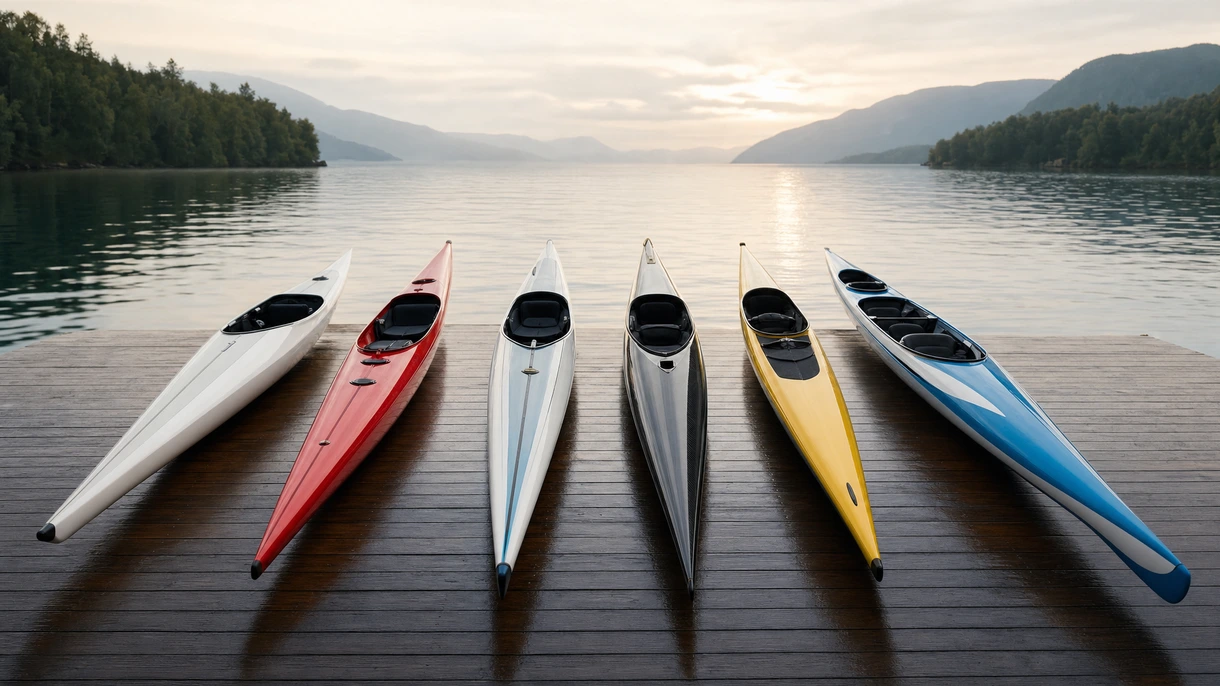
4 Criteria to choose your racing kayak
Hydrodynamic Drag Efficiency
Minimizing the wetted surface area through advanced hull shaping ensures peak velocity performance during high intensity flatwater racing cycles.
Carbon Composite Hull Integrity
Premium pre-preg carbon weaves provide the necessary structural stiffness to prevent energy loss while maintaining ultralight boat displacement targets.
Power Transfer Optimization
Adjustable footrests and seating geometries must maximize kinetic energy transfer from the athlete to the water for optimal boat propulsion.
Longitudinal Structural Stiffness
Structural resistance to longitudinal bending ensures the hull maintains its designed hydrodynamic profile under heavy torsional racing or training loads.
Available technologies and advantages
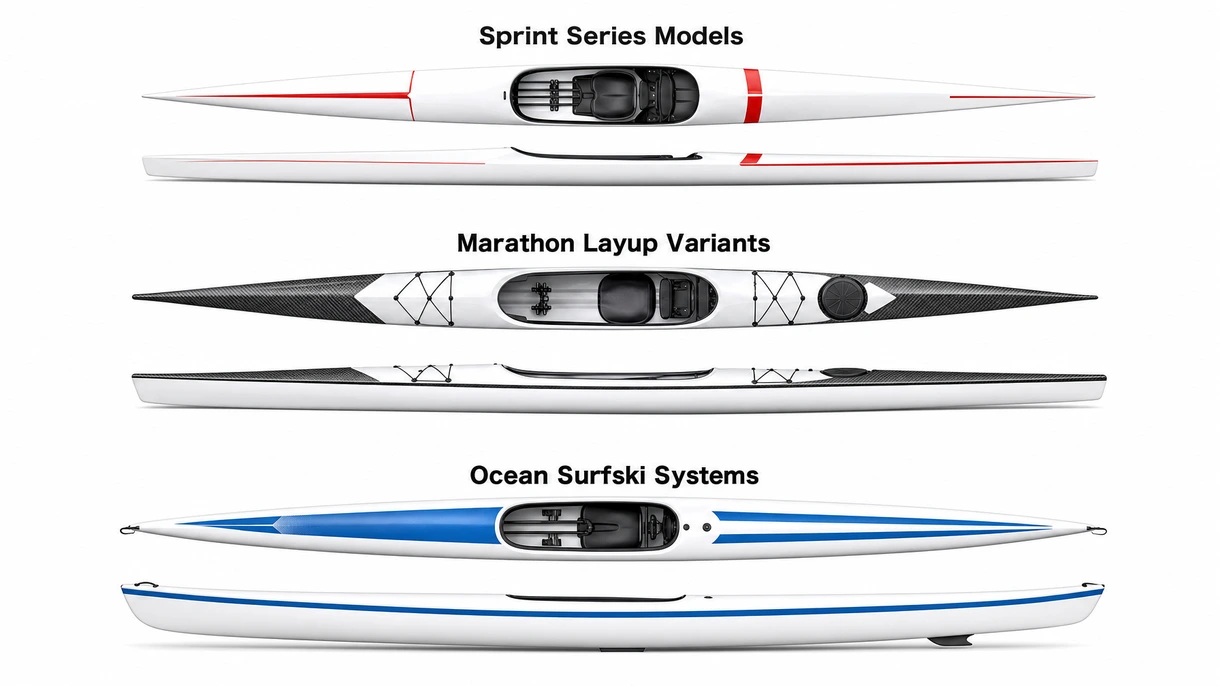
Sprint Series Models
These vessels prioritize narrow beams to achieve maximum velocity. Their reduced primary stability demands elite technical proficiency from professional maritime athletes.
Marathon Layup Variants
These vessels incorporate specialized aramid fibers to balance impact resistance with weight. They offer superior durability over long distances compared to sprint hulls.
Ocean Surfski Systems
Surfskis utilize open cockpit drainage and increased rocker for swell navigation. This design excels in offshore conditions despite increased windage over traditional flatwater silhouettes.
6 expert tips
Prioritize autoclaved pre-preg carbon fiber constructions to guarantee the highest strength to weight ratios for elite competitive fleet procurement.
Verify that all hull geometries comply with International Canoe Federation standards to ensure eligibility for official global maritime competitions.
Evaluate the lifecycle cost of high modulus materials against repairability requirements for regional training centers and professional club operations.
Source vessels with modular cockpit configurations to accommodate diverse athlete sizes and optimize power output across the entire fleet.
Ensure that integrated steering systems utilize marine grade stainless steel cables to prevent corrosion and maintain precise directional control.
Always verify the technical certification to ensure compliance with local building safety standards and long-term durability.
Innovations and Trends
Bio based epoxy resins reduce environmental footprint of production while maintaining rigorous maritime structural and performance excellence.
Computational fluid dynamics optimization allows engineers to refine hull shapes for minimal wave resistance in variable water densities.
Integration of haptic feedback sensors within the footbraces provides real time data on stroke efficiency and force distribution.
Graphene infused surface coatings are emerging to further decrease skin friction and improve hull resistance to ultraviolet degradation.
*Prices are pre-tax. They exclude delivery charges and customs duties and do not include additional charges for installation or activation options. Prices are indicative only and may vary by country, with changes to the cost of raw materials and exchange rates.
About NauticExpo
NauticExpo is a marketplace that offers B2B players a complete experience, from product sourcing to purchase. NauticExpo is an entity of VirtualExpo Group.
Are you a buyer?
Are you a supplier?