
- Home page
- buying guide
- IPS POD motor yacht
IPS POD motor yacht
IPS POD motor yacht: A technical guide
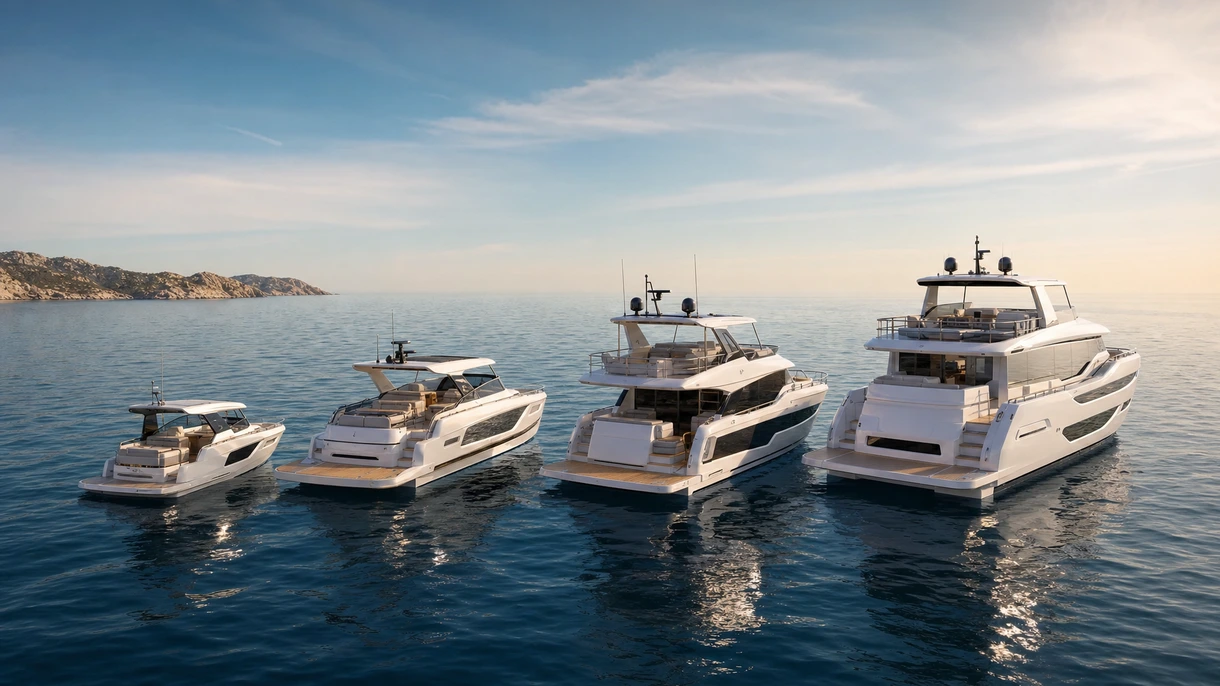
4 Criteria to choose your IPS POD motor yacht
Hydrodynamic Propulsion Efficiency
Forward-facing propellers pull the vessel through undisturbed water, significantly reducing drag while increasing fuel economy for long-range maritime operations.
Dynamic Positioning Precision
Rotating pod units provide omnidirectional thrust vectors, allowing precise harbor maneuvering without the need for traditional bow thrusters.
Integrated Maintenance Costs
Maintenance schedules must account for specialized seal replacements and oil changes to prevent water ingress and ensure drivetrain longevity.
Hull Structural Integrity
Structural engineers must reinforce the hull at the pod mounting location to manage concentrated forces during high speed turns and impacts.
Available technologies and advantages
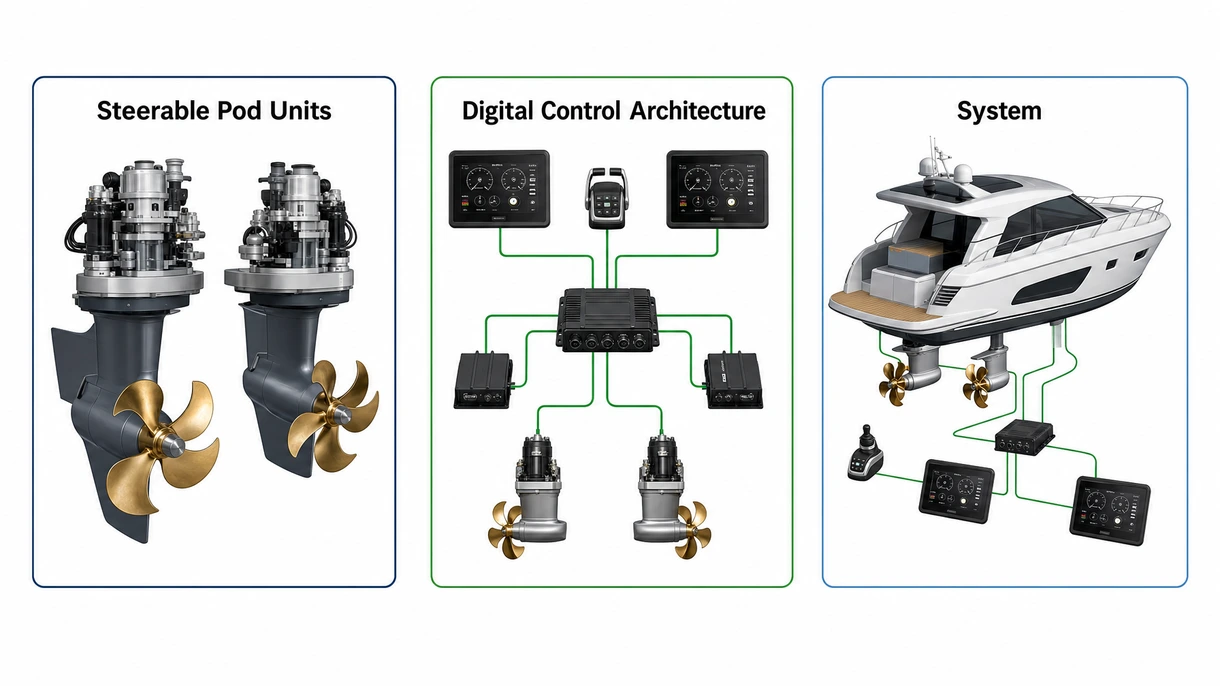
Steerable Pod Units
Steerable pods direct thrust directly for movement, whereas traditional shafts rely on rudders for redirection, creating significant hydrodynamic drag. These units eliminate the need for shafts.
Operational Tradeoffs
Strategic benefits include thirty percent better fuel efficiency and joystick docking. Trade-offs involve higher initial capital costs and specialized haul-out requirements for maintenance.
Digital Control Architecture
Digital bus architectures replace traditional mechanical cables, providing near instantaneous response times and integration with satellite positioning compared to legacy hydraulic steering systems found on ships.
System Tradeoffs
Advantages include automated station keeping and simplified installation. Limitations center on the requirement for redundant power supplies and specialized software diagnostics for troubleshooting.
6 expert tips
Prioritize total lifecycle cost analysis over initial purchase price to account for significant long-term fuel savings and maintenance.
Evaluate hull design compatibility early because pod placement requires specific structural reinforcement to handle high concentrated torque loads.
Ensure crew training includes joystick maneuvering and electronic system diagnostics to maximize the operational benefits of pod propulsion.
Select certified service providers within your primary operational region to guarantee rapid response times for specialized pod maintenance.
Analyze noise and vibration dampening requirements as pod mounting significantly reduces onboard decibel levels compared to inboard shafts.
Factor in resale value premiums associated with high-demand pod drive systems when calculating the long-term return on investment.
Always verify the technical certification to ensure compliance with local building safety standards and long-term durability.
Innovations and Trends
Integrating electric motors with pod drives allows for silent harbor maneuvering while drastically reducing local emissions and fuel consumption.
New software integration enables hands-free berthing by utilizing sensors to automate precise pod movements in tight marina spaces.
Advanced composite materials for pod units extend service intervals by eliminating traditional metallic galvanic corrosion in harsh saltwater environments.
Real-time data streaming allows fleet managers to monitor pod health and schedule repairs before mechanical failures disrupt operations.
*Prices are pre-tax. They exclude delivery charges and customs duties and do not include additional charges for installation or activation options. Prices are indicative only and may vary by country, with changes to the cost of raw materials and exchange rates.
About NauticExpo
NauticExpo is a marketplace that offers B2B players a complete experience, from product sourcing to purchase. NauticExpo is an entity of VirtualExpo Group.
Are you a buyer?
Are you a supplier?