
- Home page
- buying guide
- shaft drive propeller
shaft drive propeller
shaft drive propeller: A technical guide
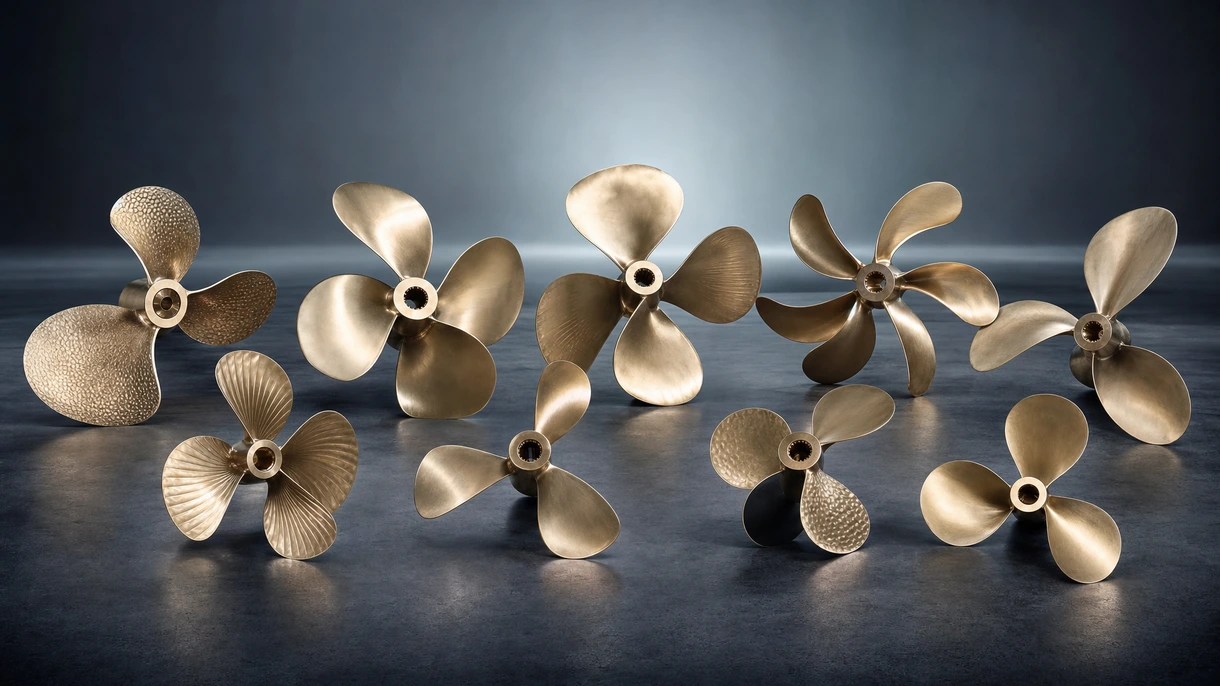
4 Criteria to choose your shaft drive propeller
Hydrodynamic Propulsion Efficiency
Optimizing blade geometry minimizes cavitation and fuel consumption while maximizing thrust delivery across specific operational RPM ranges for vessels.
Material Fatigue Resistance
High-grade specialized alloys ensure structural integrity against electrolysis, galvanic corrosion, and impact loads in harsh marine environments.
Cavitation Inception Threshold
Precise blade loading distribution delays vapor bubble formation, significantly reducing vibration, noise signatures, and long-term surface erosion on blades.
Shaft Taper Compatibility
Exact machining tolerances ensure secure fitment, preventing harmonic vibrations and potential drivetrain failures during high-torque transitions.
Available technologies and advantages
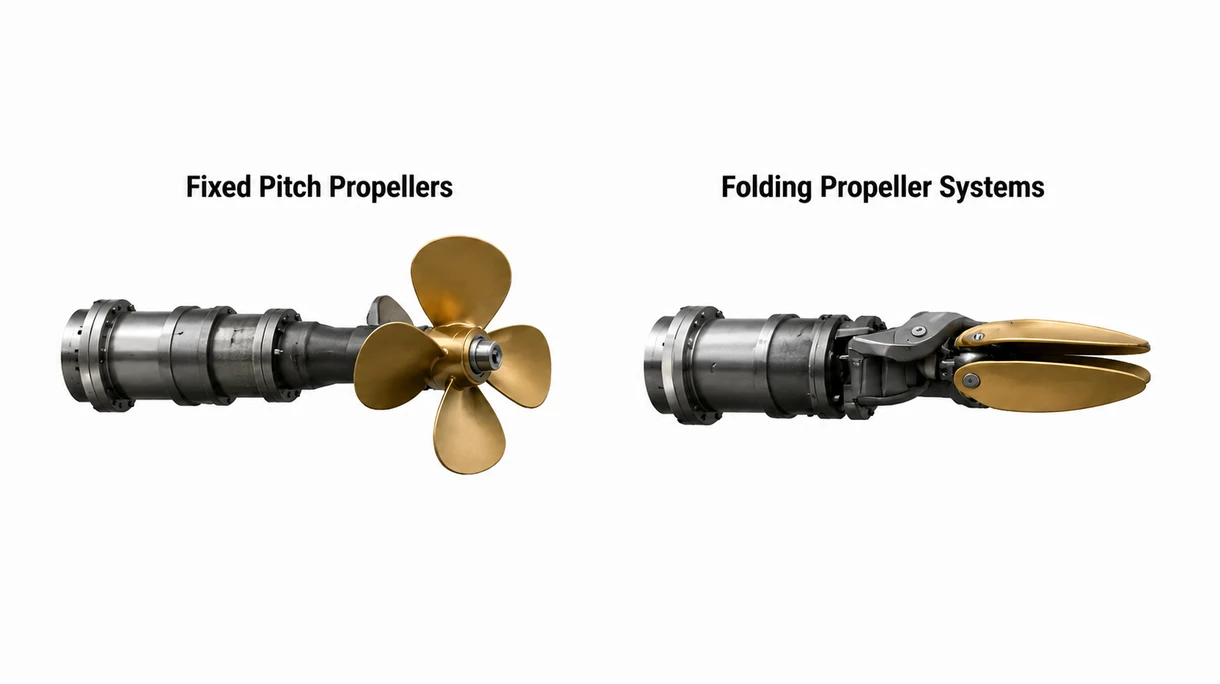
Fixed Pitch Propellers
Monoblock casting provides maximum reliability and cost-efficiency for vessels maintaining constant cruising speeds without requiring complex internal mechanical adjustment components.
Operational Trade-offs
These systems prioritize durability and low maintenance but lack efficiency across varying load conditions and offer no feathering capability for sailing vessels.
Controllable Pitch Propellers
Internal hydraulic mechanisms adjust blade angles to optimize engine load and maneuverability without reversing the gearbox or altering rotational shaft speed.
Operational Trade-offs
Superior operational flexibility and fuel economy justify higher initial capital expenditure and increased technical maintenance complexity for commercial fleet applications.
Folding Propeller Systems
Specialized designs reduce drag significantly under sail by aligning blades with water flow or collapsing them into a compact hydrodynamic profile.
Operational Trade-offs
These units enhance sailing performance and reduce transmission wear but involve higher mechanical failure risks compared to solid bronze castings.
6 expert tips
Always verify the technical certification to ensure compliance with local building safety standards and long-term durability.
Execute comprehensive computational fluid dynamics analysis to match propeller geometry precisely with specific hull wake field characteristics.
Prioritize specialized bronze alloys to ensure superior corrosion resistance and structural longevity in high-salinity commercial deep-sea environments.
Verify Class Society certifications like Lloyd’s Register to guarantee compliance with international safety and performance standards.
Implement vibration analysis testing during sea trials to confirm the absence of resonant frequencies within the shafting system.
Select manufacturers providing global service networks to minimize vessel downtime when emergency blade repairs or replacements are required.
Innovations and Trends
Carbon fiber blades reduce rotational inertia and weight, enhancing acceleration while offering total immunity to traditional galvanic corrosion.
Noise-reducing serrated edges inspired by marine life improve stealth and reduce environmental impact in sensitive coastal port areas.
Integrated sensors provide real-time data on blade stress and efficiency, enabling predictive maintenance and reducing unexpected dry-docking costs.
Advanced non-toxic foul-release coatings maintain hydrodynamic smoothness, significantly lowering fuel consumption and meeting new global environmental regulations.
*Prices are pre-tax. They exclude delivery charges and customs duties and do not include additional charges for installation or activation options. Prices are indicative only and may vary by country, with changes to the cost of raw materials and exchange rates.
About NauticExpo
NauticExpo is a marketplace that offers B2B players a complete experience, from product sourcing to purchase. NauticExpo is an entity of VirtualExpo Group.
Are you a buyer?
Are you a supplier?