
- Home page
- buying guide
- gyroscopic stabilizer
gyroscopic stabilizer
gyroscopic stabilizer: A technical guide
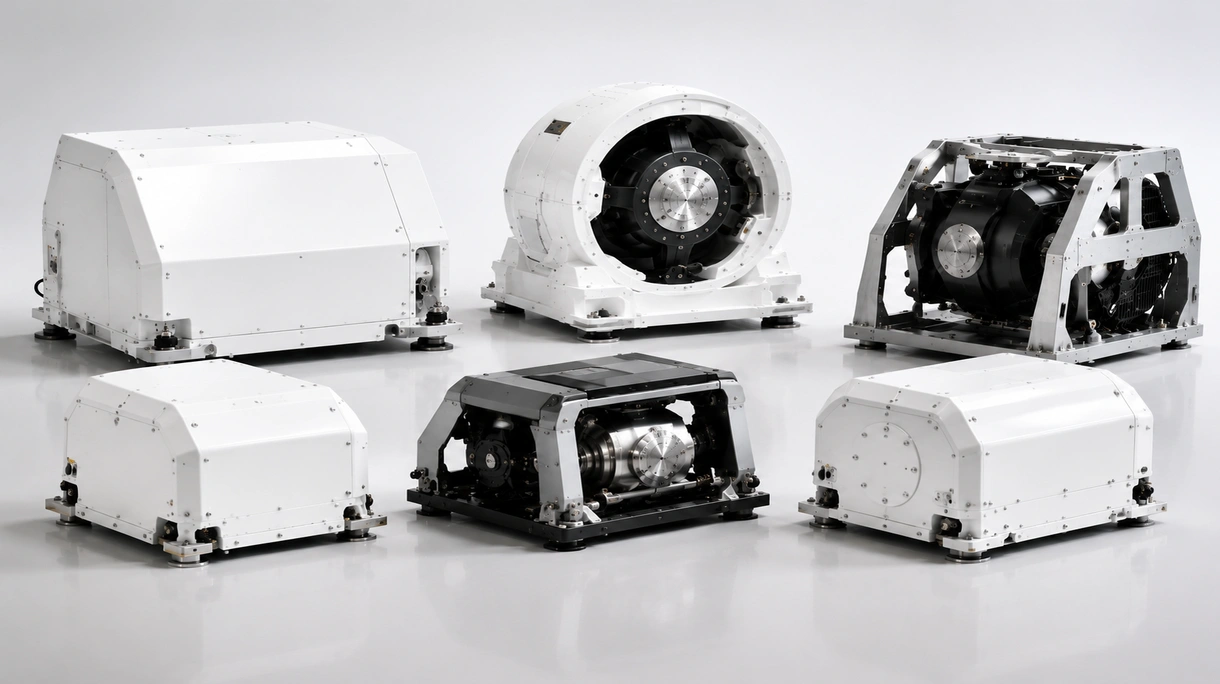
4 Criteria to choose your gyroscopic stabilizer
Anti-roll Torque Capacity
This metric determines the actual force produced to counteract sea motion and ensure maximum stability for various vessel types.
Energy Consumption Efficiency
Electrical requirements impact generator sizing and operational fuel costs during extended periods of stabilization while at anchor or underway.
System Deployment Speed
Rapid flywheel acceleration allows vessel operators to achieve full stabilization quickly when entering rough waters or starting operational missions.
Installation Envelope Dimensions
Physical dimensions and maintenance access requirements dictate the feasibility and total cost of integration into existing engine room layouts.
Available technologies and advantages
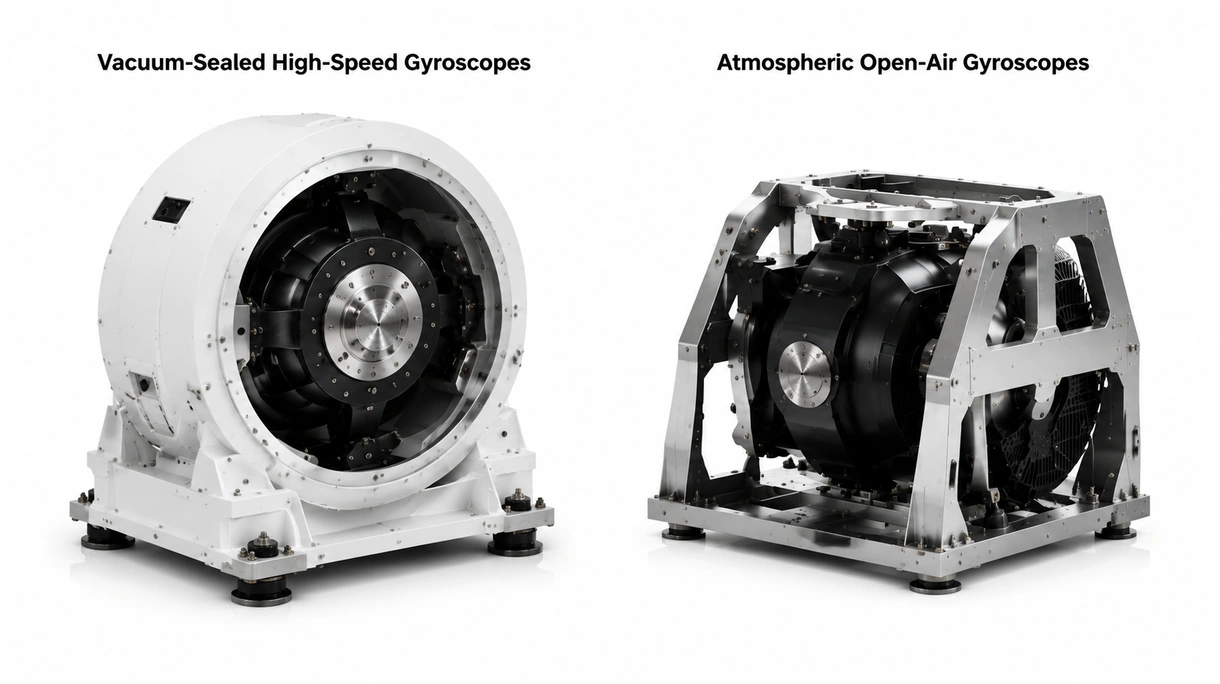
Vacuum-Sealed High-Speed Gyroscopes
Vacuum units minimize air friction, enabling higher flywheel speeds and greater torque compared to open systems. This efficiency saves space but increases cost and requires specialized vacuum maintenance.
Atmospheric Open-Air Gyroscopes
Open-air systems avoid vacuum seals, reducing purchase costs and simplifying routine maintenance relative to vacuum models. However, they generate significant heat and require much larger installations for equivalent performance.
6 expert tips
Evaluate total cost of ownership including required electrical upgrades and long-term maintenance cycles for heavy-duty commercial vessel deployment.
Select units offering remote monitoring capabilities to minimize downtime and ensure continuous operational safety for offshore fleet operations.
Prioritize systems with Lloyd's Register or ABS certifications to ensure compliance with international maritime safety and structural standards.
Calculate the exact angular momentum required based on the vessel's metacentric height rather than relying on displacement alone.
Verify the availability of local service networks in primary ports of call to reduce potential repair lead times.
Always verify the technical certification to ensure compliance with local building safety standards and long-term durability.
Innovations and Trends
Algorithms optimize flywheel speed based on real-time sea data, reducing fuel consumption by twelve percent.
Systems allow direct battery bank connection, eliminating inverter losses and enhancing silent period operation durations.
Advanced materials increase angular momentum while reducing total unit weight by twenty percent for high-speed craft.
Integrated thermal management systems improve efficiency and meet tightening environmental maritime thermal discharge regulations.
*Prices are pre-tax. They exclude delivery charges and customs duties and do not include additional charges for installation or activation options. Prices are indicative only and may vary by country, with changes to the cost of raw materials and exchange rates.
About NauticExpo
NauticExpo is a marketplace that offers B2B players a complete experience, from product sourcing to purchase. NauticExpo is an entity of VirtualExpo Group.
Are you a buyer?
Are you a supplier?