
- Home page
- buying guide
- diesel generator set
diesel generator set
diesel generator set: A technical guide
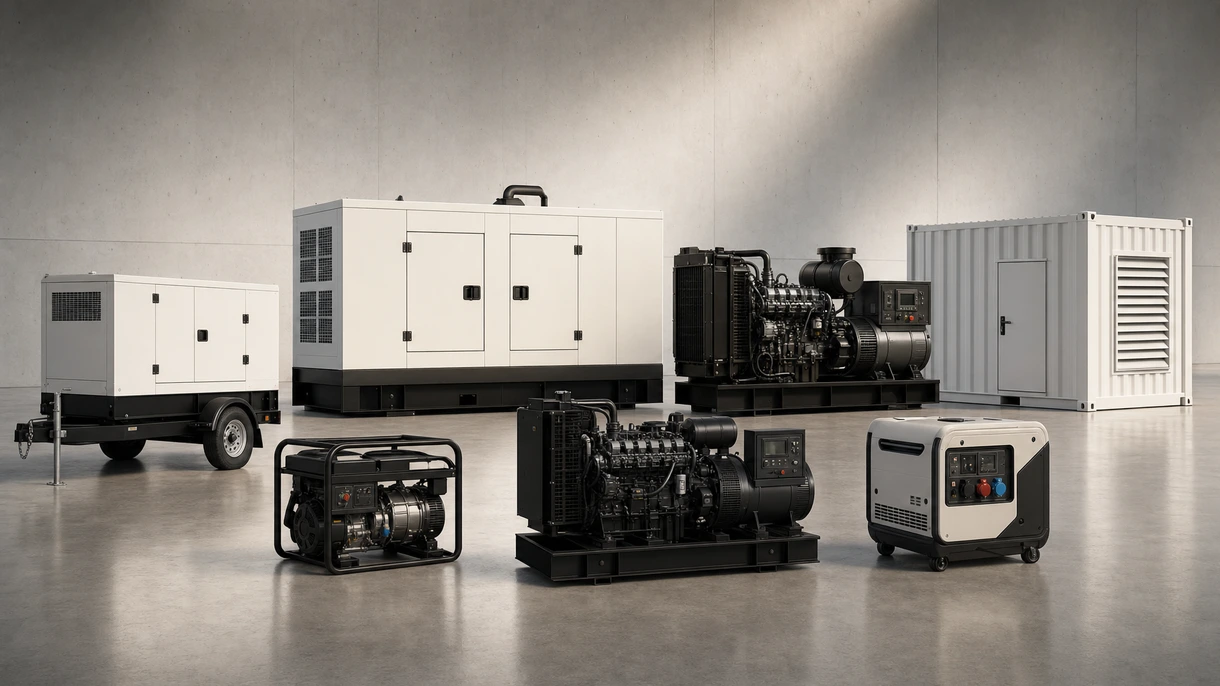
4 Criteria to choose your diesel generator set
Marine Classification Society Compliance
This ensures vessel safety and insurance eligibility by meeting rigorous Lloyd's or ABS standards for harsh blue-water operating environments.
Power To Weight Efficiency
Maximizing kilowatt output while minimizing physical footprint remains vital for maintaining vessel stability and overall fuel economy during voyages.
Sound Pressure Level Rating
Low noise levels are critical for passenger comfort and harbor regulations, specifically in luxury yachting and commercial ferry operations.
Global Technical Support Availability
Reliable access to genuine spare parts and certified technicians in international ports prevents costly commercial vessel downtime and scheduling.
Available technologies and advantages
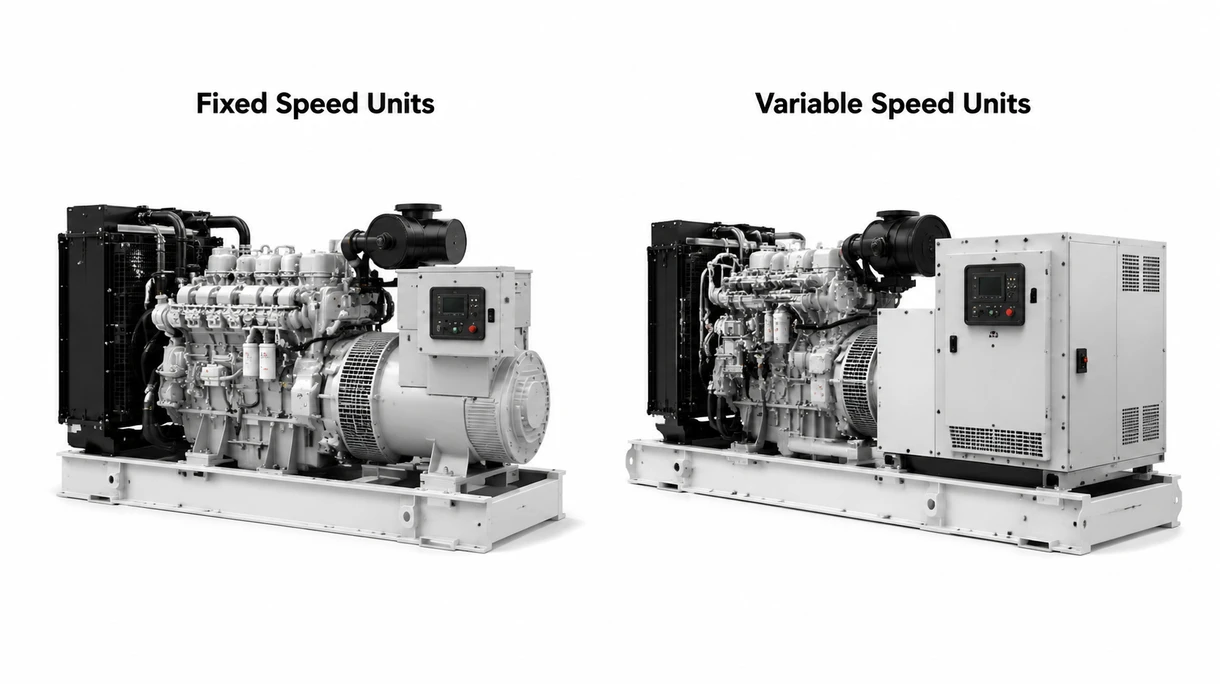
Fixed Speed Units
Operating at constant rotations per minute, these units provide stable frequency for traditional AC electrical loads but suffer efficiency losses during partial load cycles. Advantages include lower initial procurement costs. Limitations involve high fuel consumption at low demand. Mechanical simplicity is the primary operational trade-off.
Variable Speed Units
Decoupling engine speed from output frequency through power electronics allows these systems to optimize fuel consumption and noise across varying electrical demands. Advantages feature superior fuel efficiency and reduced engine wear. Limitations include higher system complexity. Increased capital expenditure is the main trade-off.
6 expert tips
Select models with digital parallel capability for seamless power sharing between multiple onboard gensets during peak load operations.
Prioritize units with integrated heat exchangers for optimal thermal management within confined and unventilated vessel engine room spaces.
Specify dual fuel filtration systems to prevent engine failure from contaminated diesel fuel common in remote bunkering ports.
Ensure exhaust after-treatment systems comply with IMO Tier Three or EPA Tier Four environmental standards for global compliance.
Evaluate total cost of ownership including projected fuel consumption and mandatory overhaul intervals over a ten year period.
Always verify technical certification to ensure compliance with local building safety standards and long-term durability in maritime environments.
Innovations and Trends
Combining diesel gensets with lithium-ion batteries reduces engine hours and enables zero-emission maneuvering in sensitive marine protected areas.
Real-time vibration and thermal analysis identify potential component failures before they cause catastrophic power loss during offshore passages.
Modern maritime generators support Hydrotreated Vegetable Oil, significantly lowering the carbon footprint of existing vessel fleet operations.
New miniaturized scrubbing technology allows smaller commercial vessels to meet strict sulfur emission limits within coastal control areas.
*Prices are pre-tax. They exclude delivery charges and customs duties and do not include additional charges for installation or activation options. Prices are indicative only and may vary by country, with changes to the cost of raw materials and exchange rates.
About NauticExpo
NauticExpo is a marketplace that offers B2B players a complete experience, from product sourcing to purchase. NauticExpo is an entity of VirtualExpo Group.
Are you a buyer?
Are you a supplier?