
- Home page
- buying guide
- passenger ferry
passenger ferry
passenger ferry: A technical guide
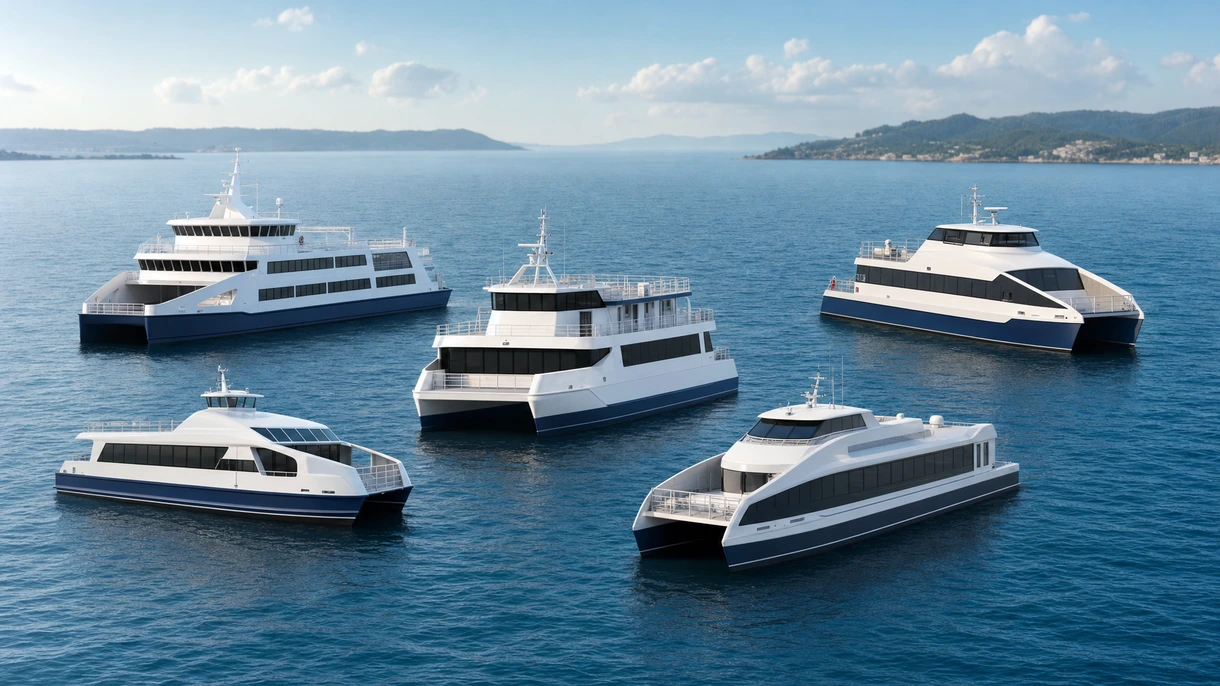
4 Criteria to choose your passenger ferry
Total Passenger Throughput Efficiency
Maximizing boarding speed and seating density ensures higher revenue per voyage while meeting strict maritime safety evacuation requirements.
Specific Fuel Consumption Rate
Optimizing engine efficiency reduces operational expenditure and aligns with tightening environmental regulations across European and North American coastal waters.
Hull Hydrodynamic Efficiency
Advanced hull designs minimize drag and wake wash, allowing higher transit speeds while reducing power demand and structural stress.
Vessel Maintenance Accessibility
Strategic placement of engine rooms and technical voids facilitates rapid component replacement, minimizing expensive dry dock downtime for operators.
Available technologies and advantages
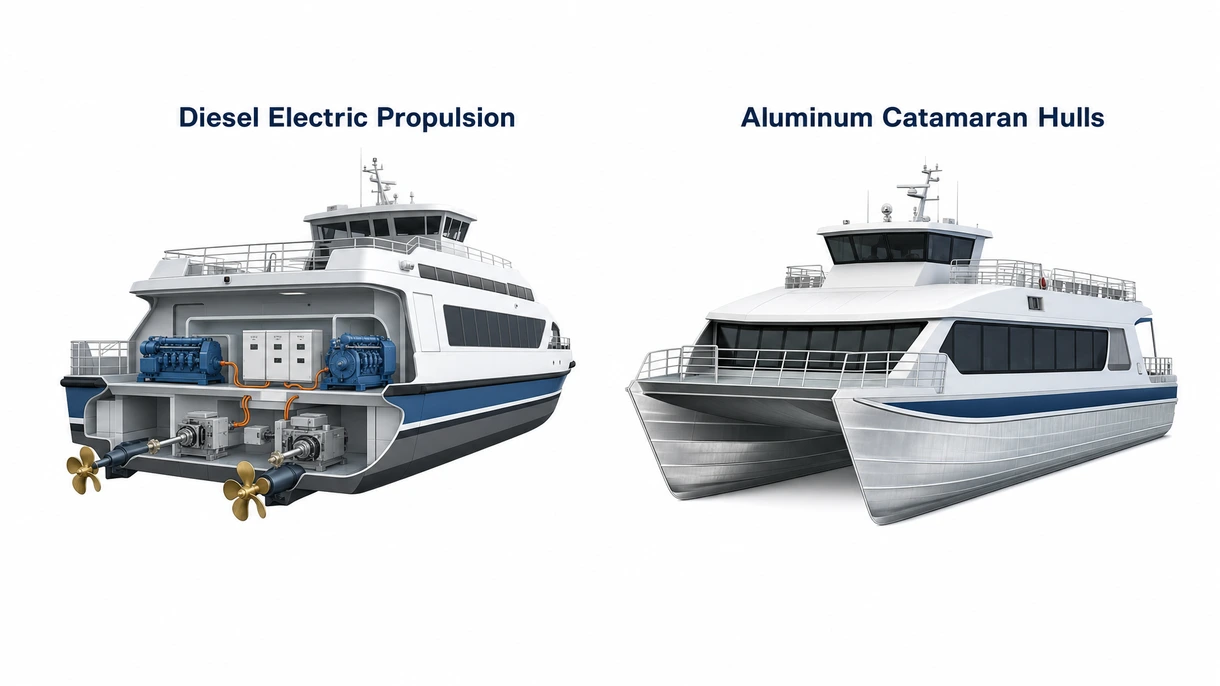
Diesel Electric Propulsion
Combining diesel generators with electric motors offers superior torque management compared to direct drive systems, improving maneuverability and energy efficiency in congested port environments. This architecture allows for optimized engine load management although it requires higher initial capital expenditure and specialized technical training for onboard engineering teams.
Aluminum Catamaran Hulls
Multi-hull aluminum structures provide greater stability and deck area than monohull steel vessels while significantly reducing overall displacement and operational draft requirements. This design enables high transit speeds and lower wake wash but presents challenges regarding structural fatigue and limited performance in heavy sea states.
6 expert tips
Prioritize dual fuel propulsion systems to ensure compliance with evolving carbon emission standards in high traffic maritime corridors.
Evaluate lifecycle maintenance costs instead of initial purchase price to determine the true long term profitability of vessels.
Specify modular interior configurations to allow for rapid seasonal adjustments between passenger seating and vehicle transport requirements.
Conduct comprehensive hydrodynamic tank testing to verify hull performance data before finalizing large scale fleet acquisition contracts.
Integrated bridge systems must feature redundant navigation sensors to maintain operational safety during adverse weather and low visibility.
Always verify the technical certification to ensure compliance with local building safety standards and long-term durability.
Innovations and Trends
Fuel cells provide quiet operation and zero local emissions, meeting strict port authority requirements for green maritime transport corridors.
Smart docking sensors reduce human error and hull damage during frequent port rotations, optimizing turnaround times and operational safety.
Advanced carbon fiber components reduce vessel weight by thirty percent, significantly lowering fuel consumption and improving overall transit speeds.
Cloud based monitoring systems provide predictive maintenance data, reducing unplanned technical failures and optimizing fuel usage across global fleets.
*Prices are pre-tax. They exclude delivery charges and customs duties and do not include additional charges for installation or activation options. Prices are indicative only and may vary by country, with changes to the cost of raw materials and exchange rates.
About NauticExpo
NauticExpo is a marketplace that offers B2B players a complete experience, from product sourcing to purchase. NauticExpo is an entity of VirtualExpo Group.
Are you a buyer?
Are you a supplier?