
- Home page
- buying guide
- gasoline engine
gasoline engine
gasoline engine: A technical guide
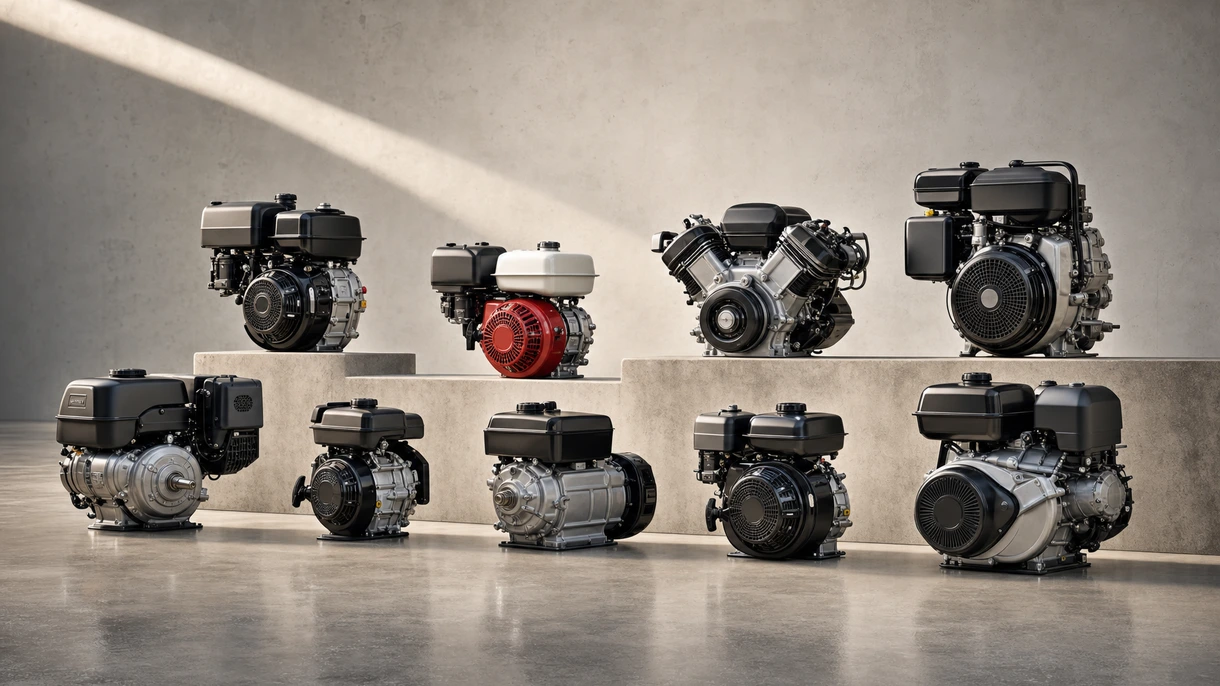
4 Criteria to choose your gasoline engine
Power-to-weight ratio
High ratios are essential for planing hulls to maximize vessel speed and payload capacity without compromising hull displacement limits.
Torque curve efficiency
Optimized torque delivery ensures rapid hole-shots and maintains stable cruising speeds under heavy loads or challenging sea states.
Saltwater corrosion resistance
Advanced alloys and specialized coatings prevent systemic failure of cooling passages and external components in aggressive maritime environments.
Electronic integration capabilities
Seamless NMEA compatibility allows for unified helm control and real-time monitoring of engine health across the vessel network.
Available technologies and advantages
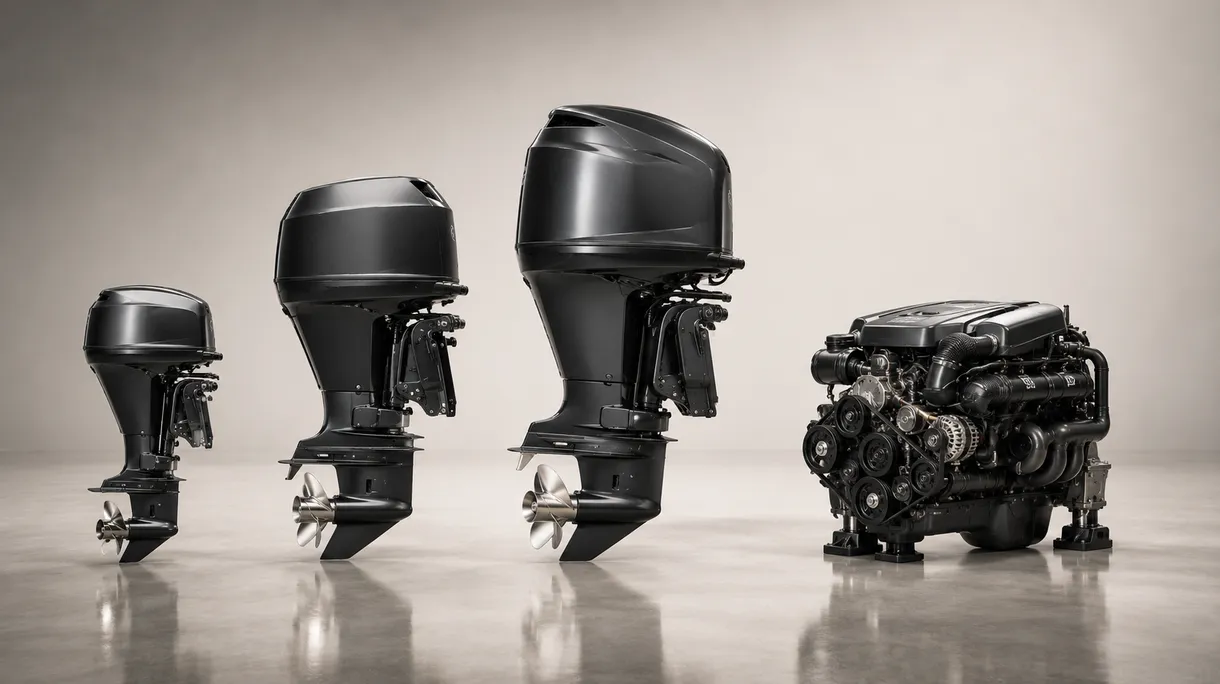
Outboard Four-Stroke Engines
These modular units offer simplified maintenance access and superior power-to-weight characteristics. They provide excellent maneuverability but occupy significant transom space.
Inboard V-Drive Systems
Centralizing engine weight improves hull stability and wake performance in specialized tow-sport vessels. However, these systems often restrict cockpit floor space.
Sterndrive Propulsion Packages
Combining inboard power with outboard steerability, these units offer high performance for runabouts. Maintenance costs are higher due to submerged mechanical components.
6 expert tips
Prioritize high-output alternators to support extensive onboard electronics and power-hungry navigational systems while ensuring long-term vessel reliability.
Select engines with closed-circuit cooling systems to prevent internal block corrosion and extend maintenance intervals in harsh saltwater.
Evaluate fuel consumption maps at cruising speeds to optimize vessel range and reduce seasonal operational expenses for fleet managers.
Integrate joystick docking systems to minimize hull damage risks during high-wind berthing maneuvers in crowded commercial marina environments.
Demand comprehensive telematics suites for real-time diagnostic monitoring to prevent catastrophic mechanical failures during extended professional offshore passages.
Always verify the technical certification to ensure compliance with local building safety standards and long-term durability.
Innovations and Trends
This technology reduces fuel consumption by fifteen percent while meeting stringent global marine emission requirements for professional operators.
These systems enable silent low-speed maneuvering in protected harbors while maintaining high-speed gasoline performance for offshore transits.
Mechanical optimization improves torque across the entire RPM range to increase hole-shot performance and heavy-load towing efficiency.
Specialized materials decrease engine weight by twenty percent, allowing for higher vessel payload capacities or improved top speeds.
*Prices are pre-tax. They exclude delivery charges and customs duties and do not include additional charges for installation or activation options. Prices are indicative only and may vary by country, with changes to the cost of raw materials and exchange rates.
About NauticExpo
NauticExpo is a marketplace that offers B2B players a complete experience, from product sourcing to purchase. NauticExpo is an entity of VirtualExpo Group.
Are you a buyer?
Are you a supplier?