
- Home page
- buying guide
- electric thruster
electric thruster
electric thruster: A technical guide
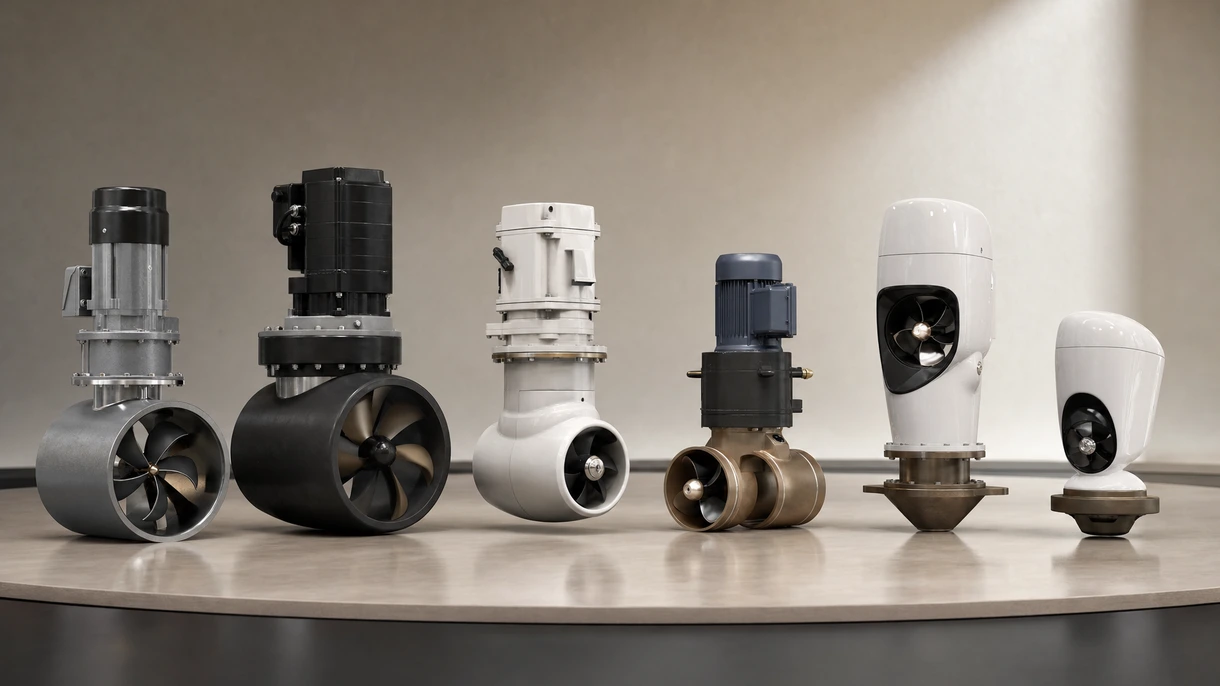
4 Criteria to choose your electric thruster
Continuous Duty Cycle Rating
Professionals require sustained thrust during docking or station-keeping without thermal shutdown risks in high-ambient water temperatures.
Power To Weight Ratio
Minimizing bow weight ensures optimal vessel trim and fuel efficiency while delivering the necessary torque for heavy displacement hulls.
System Integration Protocol Compatibility
Seamless communication with existing bridge electronics via NMEA protocols ensures precise proportional control and monitoring for the crew.
Corrosion Resistance and Maintenance
High-grade bronze or composite components with accessible anode systems reduce dry-docking frequency and long-term ownership costs for fleet operators.
Available technologies and advantages
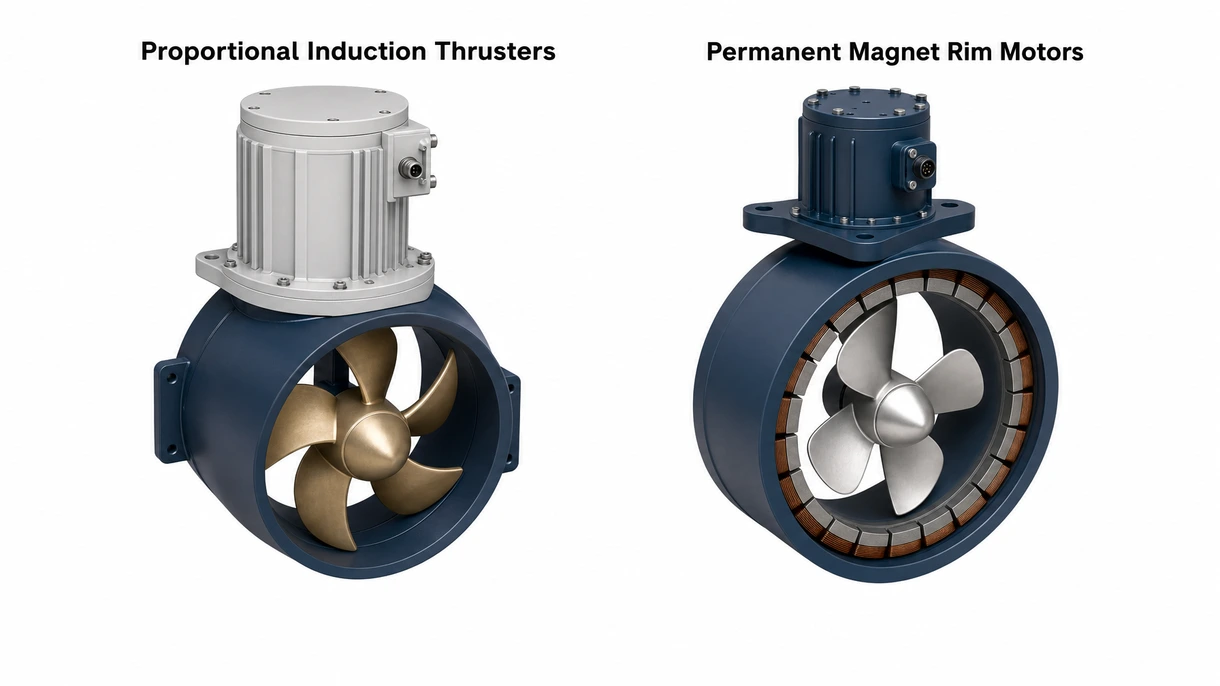
Proportional Induction Thrusters
Induction motors offer reliable performance for standard commercial applications through robust construction and precise speed control via frequency drives. These systems provide excellent longevity and heat dissipation but are generally heavier and less energy efficient than permanent magnet alternatives.
Permanent Magnet Rim Motors
Rim-driven technology eliminates the central hub and gearbox, providing near-silent operation and high torque-to-power ratios in compact nautical spaces. High efficiency and low noise improve passenger comfort, yet these systems demand higher initial investment and specialized underwater maintenance.
6 expert tips
Prioritize thrusters with classification society certifications to ensure vessel compliance and lower insurance premiums for international commercial operations.
Select brushless motor designs to minimize scheduled maintenance downtime and increase the operational lifecycle of critical maneuvering systems.
Evaluate the battery bank discharge capacity to ensure the electrical system supports peak thrust demands during emergency docking.
Opt for proportional control systems to allow for incremental power adjustments during delicate docking maneuvers in high crosswinds.
Specify redundant cooling systems for thrusters installed in confined engine compartments to prevent premature electronic component failure.
Always verify the technical certification to ensure compliance with local maritime safety standards and long-term durability.
Innovations and Trends
Hydrogen powered thrusters enable zero-emission maneuvering while meeting strict upcoming environmental regulations for protected marine sanctuary zones and harbors.
Advanced sensors and AI-driven algorithms integrate with electric thrusters to provide fully autonomous docking capabilities for modern commercial vessels.
New carbon-based coatings significantly reduce biofouling and hydrodynamic drag, improving thruster efficiency and extending service intervals.
Regenerative braking technology captures kinetic energy during propeller deceleration to recharge onboard battery banks and optimize total vessel efficiency.
*Prices are pre-tax. They exclude delivery charges and customs duties and do not include additional charges for installation or activation options. Prices are indicative only and may vary by country, with changes to the cost of raw materials and exchange rates.
About NauticExpo
NauticExpo is a marketplace that offers B2B players a complete experience, from product sourcing to purchase. NauticExpo is an entity of VirtualExpo Group.
Are you a buyer?
Are you a supplier?