
- Home page
- buying guide
- common-rail engine
common-rail engine
common-rail engine: A technical guide
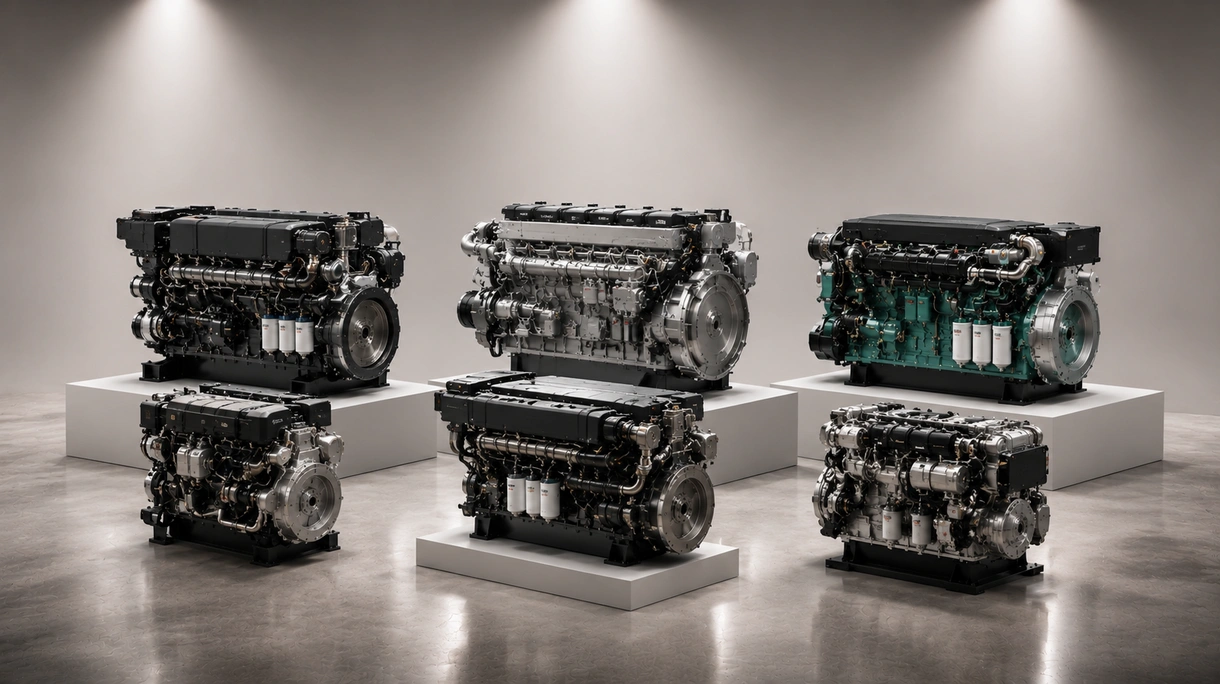
4 Criteria to choose your common-rail engine
Specific Fuel Consumption
Optimizing operational range and reducing bunkering frequency remains the primary driver for long range yachting and commercial fleet profitability.
Peak Injection Pressure
High pressure capabilities ensure complete atomization, reducing particulate matter and nitrogen oxide emissions to meet stringent Tier Three standards.
Power To Weight Ratio
Minimizing displacement impact while maximizing thrust is vital for planing hull efficiency and maintaining high speed cruise performance targets.
Electronic Control Integration
Seamless diagnostic connectivity between engine management systems and bridge displays facilitates predictive maintenance and prevents critical mid voyage failures.
Available technologies and advantages
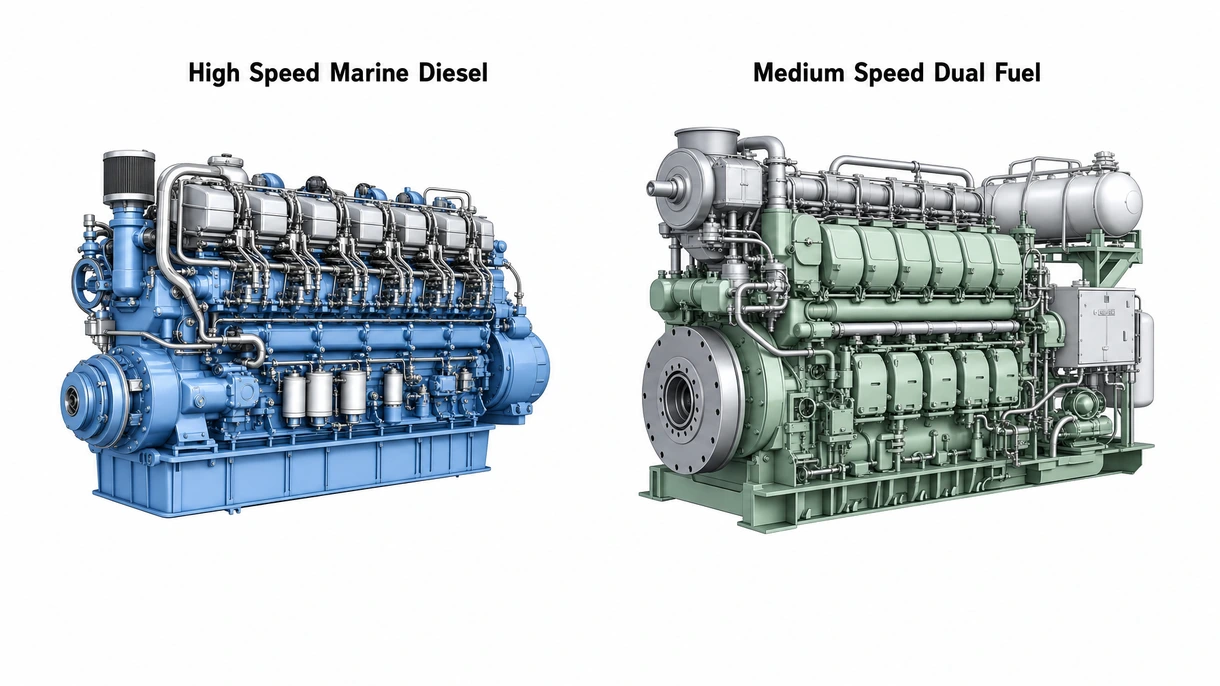
High Speed Marine Diesel
High speed engines deliver rapid torque response and compact footprints, utilizing piezoelectric injectors to manage multiple injection cycles per combustion stroke. Advantages include reduced vibration and weight; limitations involve shorter overhaul intervals and higher maintenance sensitivity compared to medium speed variants.
Medium Speed Dual Fuel
Medium speed configurations support liquefied natural gas or diesel, using common rail systems to stabilize combustion across varied fuel viscosities. These offer superior thermal efficiency and lower fuel costs for tankers; trade offs involve increased engine room volume and complexity.
6 expert tips
Prioritize engines featuring Tier Three selective catalytic reduction systems to ensure unrestricted access to international Emission Control Areas.
Evaluate total cost of ownership over ten years including specific fuel consumption data at common cruising speed intervals.
Verify global service network density to guarantee rapid spare part delivery and certified technician availability in remote ports.
Select units with integrated electronic diagnostic ports to enable real time performance monitoring and proactive engine health management.
Ensure structural compatibility with existing hull vibrations and engine mounts to prevent resonance issues at various RPM ranges.
Always verify the technical certification to ensure compliance with local building safety standards and long term durability.
Innovations and Trends
Integrating hydrogen into common rail cycles significantly reduces carbon footprints while maintaining the power density required for commercial vessels.
Embedded sensors monitor rail pressure fluctuations to detect injector wear before failure, minimizing unplanned downtime for charter fleets.
Modern common rail exhaust systems are evolving to include compact scrubbing units for meeting future zero emission port requirements.
Common rail engines optimized for constant load operation serve as highly efficient generators within sophisticated diesel electric propulsion architectures.
*Prices are pre-tax. They exclude delivery charges and customs duties and do not include additional charges for installation or activation options. Prices are indicative only and may vary by country, with changes to the cost of raw materials and exchange rates.
About NauticExpo
NauticExpo is a marketplace that offers B2B players a complete experience, from product sourcing to purchase. NauticExpo is an entity of VirtualExpo Group.
Are you a buyer?
Are you a supplier?