
- Home page
- buying guide
- inflatable life jacket
inflatable life jacket
inflatable life jacket: A technical guide
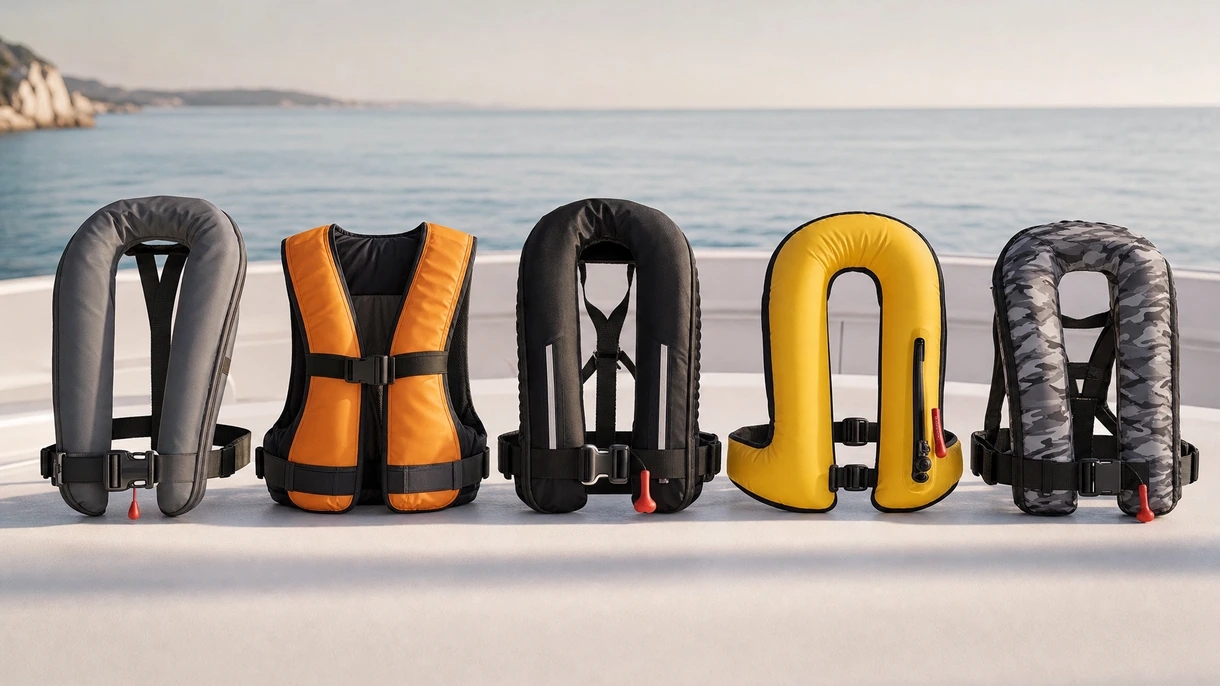
4 Criteria to choose your inflatable life jacket
Buoyancy and Self-Righting
Ensures unconscious crew members turn face-up immediately in heavy seas, critical for SOLAS-compliant commercial vessel safety protocols.
Triggering System Reliability
Hydrostatic or salt-tablet sensors must prevent accidental inflation during deck washing while ensuring immediate activation upon total submersion.
Ergonomics and Mobility
Professional grade harnesses must allow full range of motion for deckhands during mooring operations without causing long-term neck strain.
Integrated Safety Accessories
Essential features include spray hoods, emergency beacons, and lifting loops to facilitate rapid recovery and prevent secondary drowning.
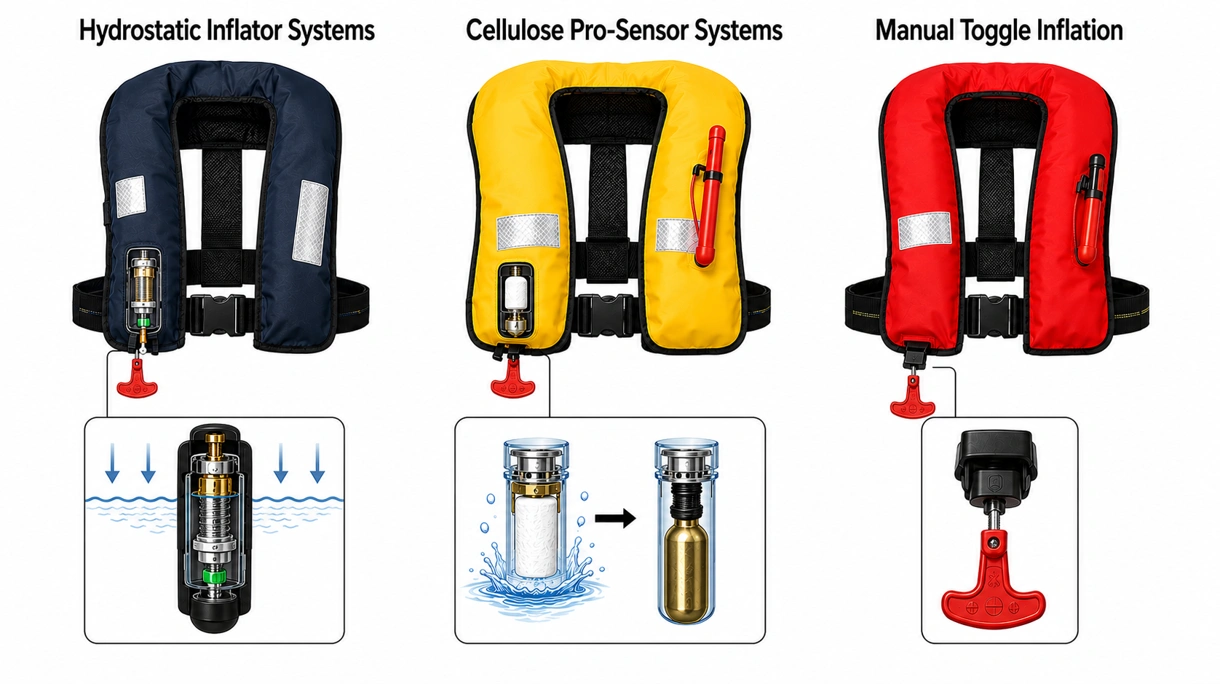
Available technologies and advantages
Item 1
Pressure-activated mechanisms utilize specialized Hammar valves to trigger only when submerged under specific water pressure, effectively ignoring heavy rain or high humidity maritime environments.
Item 2
Advantages include zero accidental deployments in spray. Limitations involve higher servicing costs and slower activation compared to standard water-soluble systems.
Item 3
These units rely on a dissolving paper capsule or salt tablet to fire the CO2 cylinder instantly upon contact with water for immediate buoyancy.
Item 4
Advantages center on extreme reliability and low-cost maintenance. Limitations involve risk of activation from heavy rain or improper damp storage.
Item 5
Manual units are designed for specialized roles like helicopter transfers or shallow water work where immediate buoyancy could trap professional users inside vessels.
Item 6
Advantages offer total control over deployment timing. Limitations are severe if the wearer is unconscious or physically unable to pull.
6 expert tips
Prioritize SOLAS or USCG Type V approval to ensure fleet compliance with international maritime labor and safety insurance regulations.
Select high-denier ripstop covers to withstand abrasive hull contact and industrial chemical exposure during routine vessel maintenance tasks.
Standardize on hydrostatic firing heads for open-ocean operations to minimize expensive downtime caused by accidental inflations in heavy spray.
Implement a digital asset tracking system to monitor periodic maintenance intervals and cylinder expiry dates across the entire fleet.
Choose integrated harness models with stainless steel D-rings for crew members performing high-risk maneuvers on exposed deck surfaces.
Invest in bright fluorescent bladders with high-intensity LED strobe lights to maximize recovery rates during nighttime man-overboard emergencies.
Always verify the technical certification to ensure compliance with local building safety standards and long-term durability.
Innovations and Trends
Built-in AIS transmitters automatically broadcast GPS coordinates to nearby vessels immediately upon bladder inflation during emergency deployment sequences.
Advanced 3D shaping redistributes weight away from the neck to reduce fatigue for professional crews working long deck shifts.
New recyclable TPU-coated fabrics meet strict environmental ESG targets while maintaining the puncture resistance required for rugged maritime environments.
Bluetooth-enabled sensors provide real-time cylinder status updates to fleet managers via mobile applications to streamline mandatory safety inspections.
*Prices are pre-tax. They exclude delivery charges and customs duties and do not include additional charges for installation or activation options. Prices are indicative only and may vary by country, with changes to the cost of raw materials and exchange rates.
About NauticExpo
NauticExpo is a marketplace that offers B2B players a complete experience, from product sourcing to purchase. NauticExpo is an entity of VirtualExpo Group.
Are you a buyer?
Are you a supplier?