
- Home page
- buying guide
- outboard engine
outboard engine
outboard engine: A technical guide
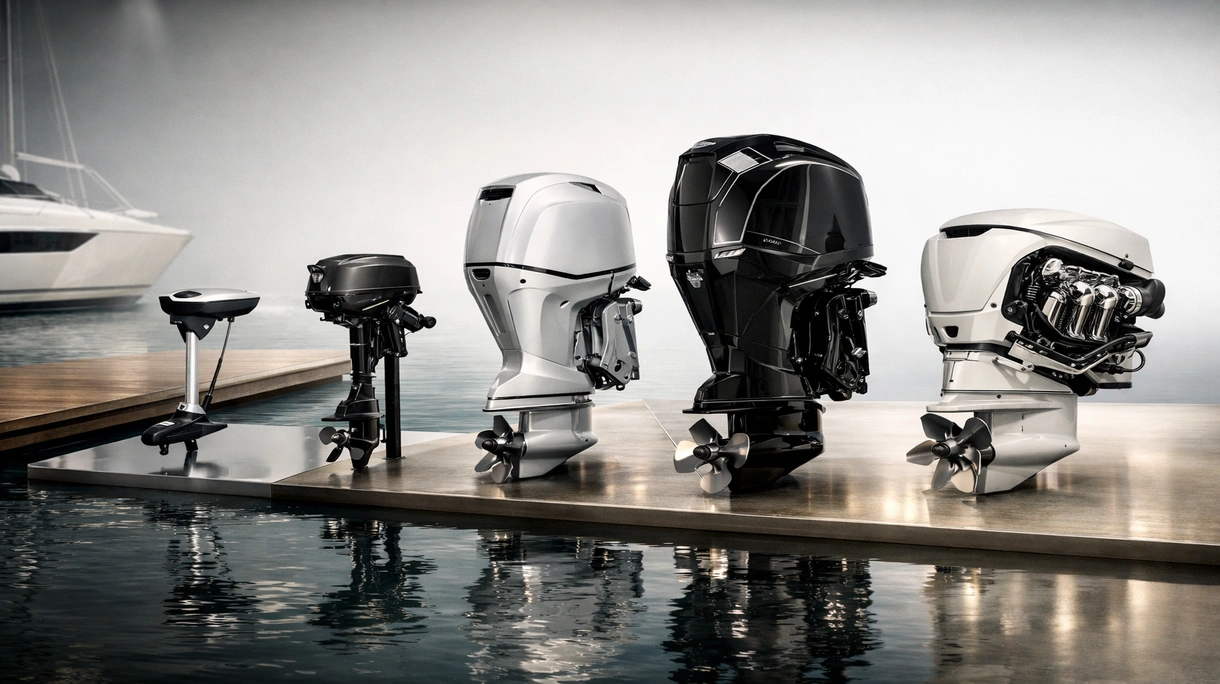
4 Criteria to choose your outboard engine
Power to Weight Ratio
High-performance propulsion requires minimal transom weight to maintain hull stability and optimize fuel efficiency across varying maritime load conditions.
Lifecycle Maintenance Costs
Fleet operators prioritize extended service intervals and global spare parts availability to minimize downtime and reduce operational expenditure.
Environmental Compliance Standards
Engines must meet global emission regulations to ensure long-term operational legality in restricted environmental protection zones across international waters.
Technical Support Network
Immediate access to authorized technical service centers is essential for maritime vessels operating in remote or international coastal waters.
Available technologies and advantages
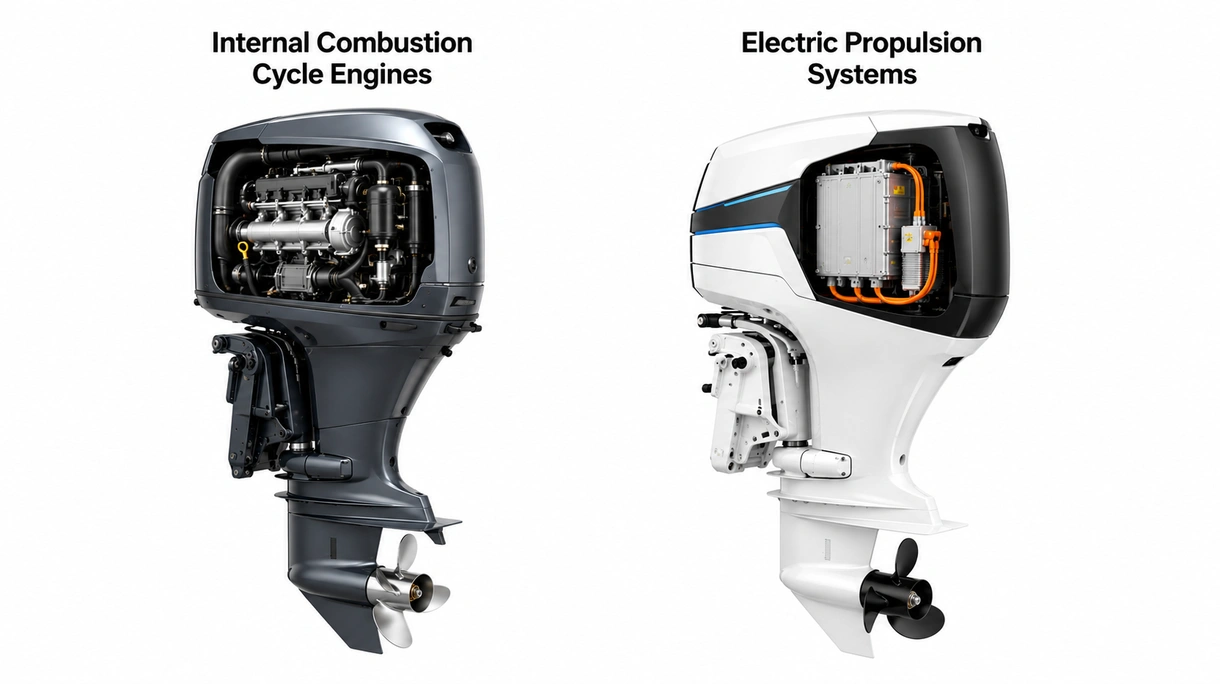
Internal Combustion Cycle Engines
Naturally aspirated cycle engines offer high torque and reliability for heavy-duty commercial workboats requiring consistent performance over long operational hours. These systems provide excellent mechanical durability and simplified maintenance but carry a significant weight penalty compared to modern forced induction alternatives.
Electric Propulsion Systems
High-voltage electric outboards deliver silent operation and no local emissions for harbor tenders and environmentally sensitive coastal patrol missions today. Superior low-end torque and minimal servicing requirements are currently offset by high capital costs and limited energy storage density.
6 expert tips
Analyze the specific fuel consumption curves at cruise speeds rather than peak power to accurately forecast long-term operational budgets.
Verify the availability of telematics and remote diagnostic tools to enable proactive fleet management and reduce unscheduled maintenance events.
Prioritize engines with integrated digital steering systems to simplify rigging processes and enhance maneuverability for large multi-engine vessel configurations.
Select propellor geometries matched to the specific hull displacement to maximize hydraulic efficiency and reduce engine stress during acceleration.
Evaluate the corrosion resistance of internal cooling passages when selecting units for intensive high-salinity blue water professional service applications.
Always verify the technical certification to ensure compliance with local building safety standards and long-term durability.
Innovations and Trends
Developing hydrogen-powered outboards offers carbon-neutral long-range capability for commercial fleets seeking alternatives to traditional liquid fossil fuel systems.
Advanced sensor-driven station-keeping and automated docking systems significantly reduce the risk of hull damage during high-traffic marina maneuvers.
Innovations in lithium-iron-phosphate battery packs allow for faster charging cycles and increased energy density for professional electric propulsion.
New exhaust after-treatment technologies ensure large horsepower outboards comply with the strictest international maritime atmospheric pollution prevention standards.
*Prices are pre-tax. They exclude delivery charges and customs duties and do not include additional charges for installation or activation options. Prices are indicative only and may vary by country, with changes to the cost of raw materials and exchange rates.
About NauticExpo
NauticExpo is a marketplace that offers B2B players a complete experience, from product sourcing to purchase. NauticExpo is an entity of VirtualExpo Group.
Are you a buyer?
Are you a supplier?