
- Home page
- buying guide
- diesel engine
diesel engine
diesel engine: A technical guide
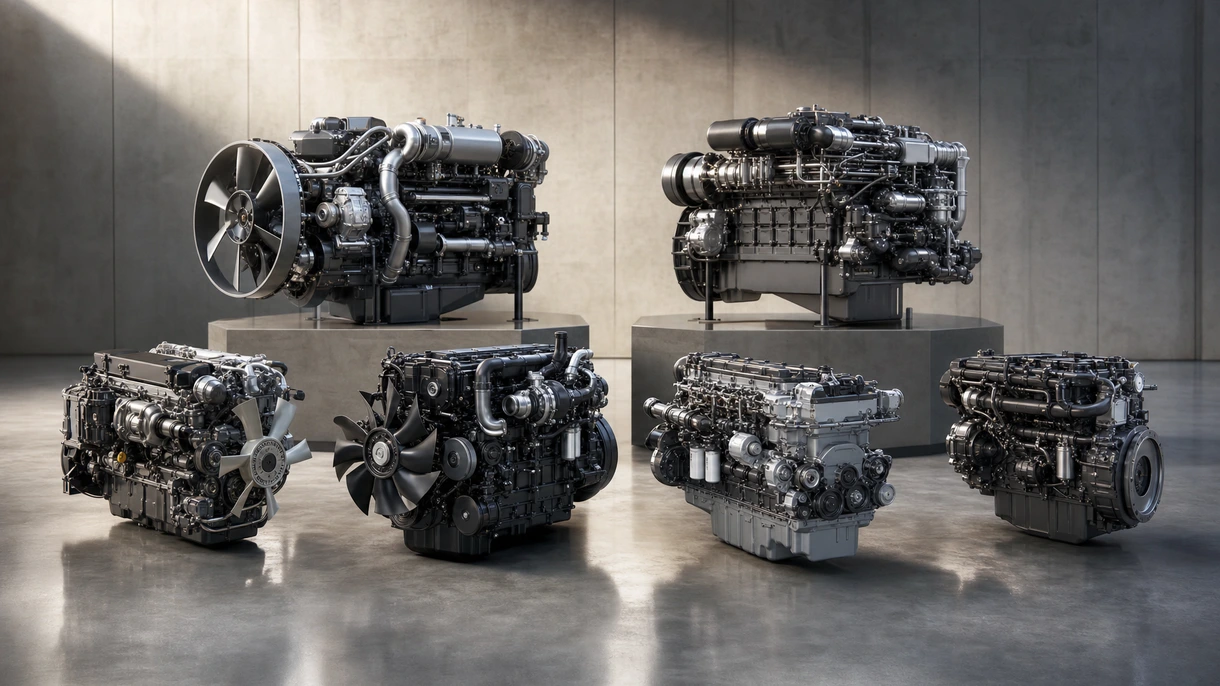
4 Criteria to choose your diesel engine
Power-to-weight ratio.
Essential for performance hulls and weight-sensitive vessel designs to ensure optimal speed and displacement balance during maritime operations.
Fuel efficiency ratings.
Directly impacts operational expenditure and vessel range during extended maritime voyages or commercial deployments across global shipping routes.
Emission standard compliance.
Mandatory adherence to international IMO and EPA standards to ensure legal operation in strictly regulated global emission control areas.
Global maintenance availability.
Critical for minimizing vessel downtime through immediate access to certified technicians and genuine spare parts in major international ports.
Available technologies and advantages
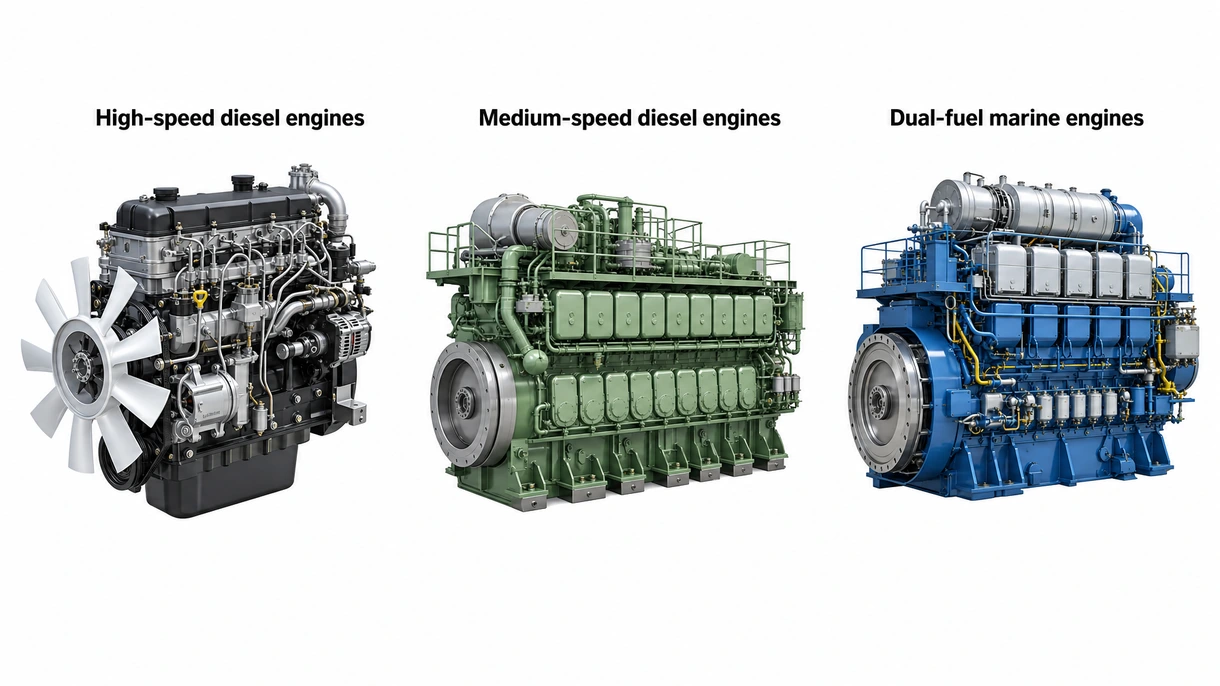
High-speed diesel engines.
These lightweight units provide high power density for planing hulls but require more frequent maintenance. They offer excellent acceleration and reduced footprint for specialized yachting applications.
Medium-speed diesel engines.
These robust units designed for continuous duty cycles provide superior thermal efficiency. They ensure long-term durability for ships requiring high reliability and lower fuel costs over long distances.
Dual-fuel marine engines.
These systems burn LNG or traditional fuels to reduce emissions while introducing complexity. They offer regulatory flexibility but require significant investment in specialized onboard fuel handling and storage infrastructure.
6 expert tips
Prioritize engines with integrated diagnostic sensors to facilitate predictive maintenance and reduce unplanned mechanical failures during critical maritime operations.
Evaluate the total cost of ownership by including projected fuel consumption and scheduled overhaul expenses over twenty operational years.
Always verify the technical certification to ensure compliance with local building safety standards and long-term durability.
Ensure selected propulsion systems align with local shipyard capabilities for major engine overhauls to prevent long transit delays.
Select models featuring modular cooling systems to simplify onsite repairs and decrease the labor hours required for periodic maintenance.
Verify torque curves against specific propeller characteristics to optimize vessel maneuverability and peak speed across various sea states.
Innovations and Trends
These significantly lower particulate emissions while optimizing combustion efficiency across various engine load profiles to meet modern environmental standards.
These allow for zero-emission harbor maneuvering while maintaining long-range diesel endurance for open sea passages in sensitive areas.
This enables compliance with Tier III regulations by neutralizing nitrogen oxide emissions in sensitive marine environments through chemical treatment.
This provides real-time performance data to shore-based fleet managers to optimize fuel economy and maintenance scheduling for vessels.
*Prices are pre-tax. They exclude delivery charges and customs duties and do not include additional charges for installation or activation options. Prices are indicative only and may vary by country, with changes to the cost of raw materials and exchange rates.
About NauticExpo
NauticExpo is a marketplace that offers B2B players a complete experience, from product sourcing to purchase. NauticExpo is an entity of VirtualExpo Group.
Are you a buyer?
Are you a supplier?