
- Home page
- buying guide
- lateral thruster
lateral thruster
lateral thruster: A technical guide
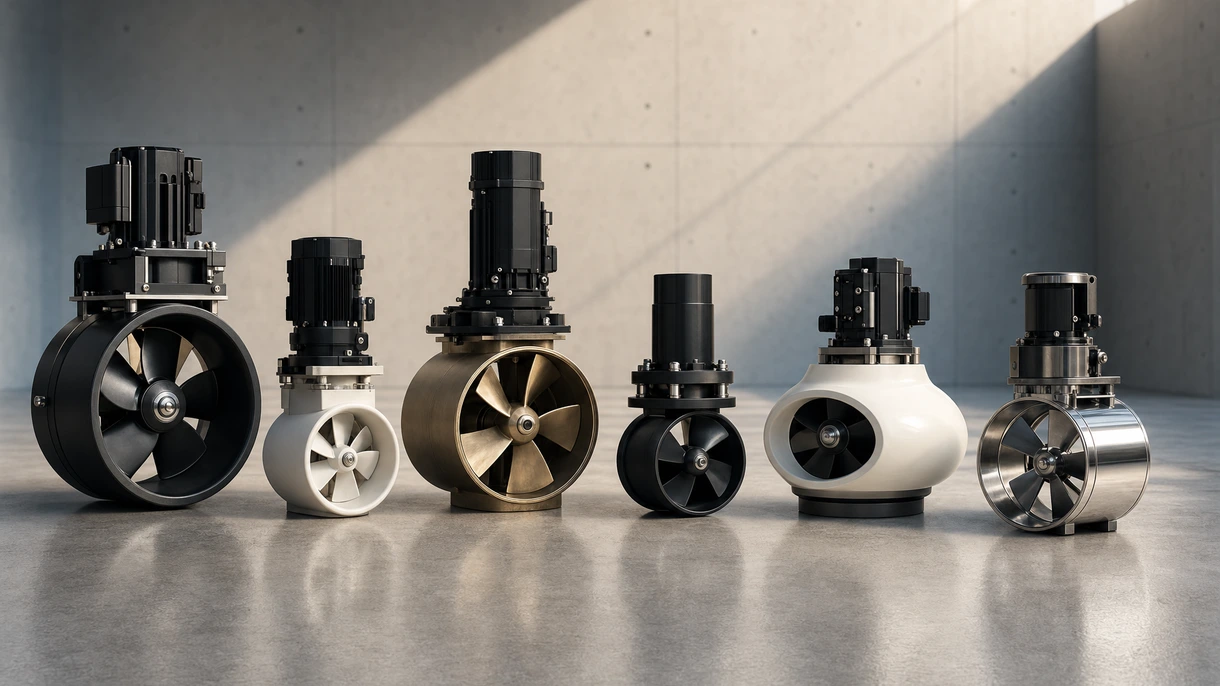
4 Criteria to choose your lateral thruster
Duty cycle rating
Continuous operation capabilities prevent thermal shutdown during complex mooring maneuvers in challenging tidal currents or high wind conditions.
Thrust to weight ratio
Calculating accurate force ensures effective station-keeping and maneuverability for specific hull windage profiles in congested commercial harbor environments.
Power source compatibility
Engineering teams must match thruster requirements with existing AC, DC, or hydraulic infrastructures to minimize installation complexity.
Acoustic signature control
Low-noise designs are essential for luxury yachting comfort and complying with strict environmental noise regulations in urban marinas.
Available technologies and advantages
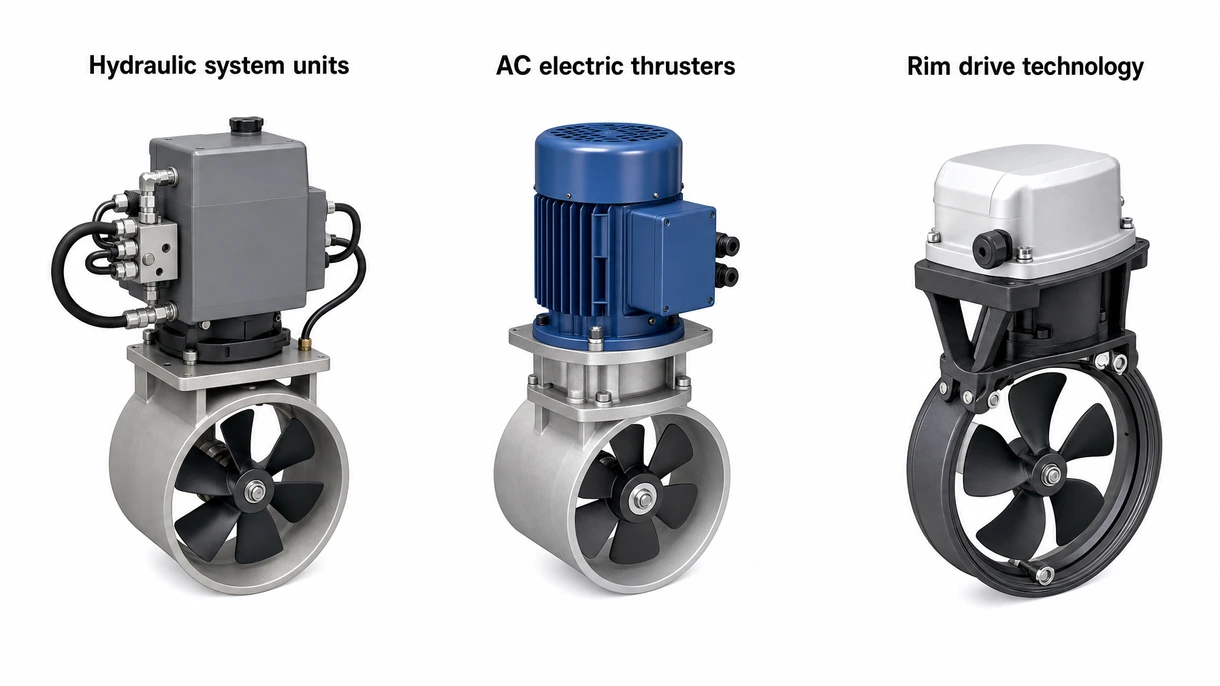
Hydraulic system units
Unlike battery-dependent electric models, hydraulic units interface with engine-driven pumps to provide consistent torque during demanding commercial maneuvers. These systems offer unlimited run times and high durability but involve complex installations and higher maintenance for fluid lines.
AC electric thrusters
These systems utilize onboard generator power to drive large induction motors, providing better thermal performance than standard DC alternatives. They deliver sustained power for larger vessels but require substantial inverter capacity, increasing initial engineering and hardware procurement costs.
Rim drive technology
This hubless design embeds the motor within the tunnel wall, removing gearboxes to achieve the lowest noise levels possible. While offering superior efficiency and compact footprints, the technology remains expensive and sensitive to debris entrapment within the assembly.
6 expert tips
Prioritize continuous duty cycles for commercial vessels to prevent thermal shutdowns during extended docking maneuvers in high wind conditions.
Select hydraulic systems for large yacht builds requiring integrated power takeoff units and high-frequency usage across multiple docking stations.
Always verify the technical certification to ensure compliance with local building safety standards and long-term durability.
Evaluate brushless DC motors to reduce maintenance overhead and improve energy efficiency for mid-range pleasure craft fleet operations.
Invest in proportional control interfaces to allow precise thrust modulation during delicate mooring operations in congested European port infrastructures.
Specify stainless steel or high-grade composite components to mitigate galvanic corrosion risks in aggressive saltwater harbor and marina environments.
Innovations and Trends
Integration of motors into the tunnel housing eliminates gearboxes, significantly reducing mechanical noise and maintenance requirements for shipowners.
Advanced digital controllers allow for precise thrust modulation, enhancing docking safety while optimizing battery consumption for electric fleets.
Modern thrusters integrate with lithium-ion battery banks, supporting zero-emission harbor maneuvers and aligning with international maritime regulations.
Deployable units minimize hydrodynamic drag during transit, improving fuel efficiency for high-performance sailing yachts and long-range motor vessels.
*Prices are pre-tax. They exclude delivery charges and customs duties and do not include additional charges for installation or activation options. Prices are indicative only and may vary by country, with changes to the cost of raw materials and exchange rates.
About NauticExpo
NauticExpo is a marketplace that offers B2B players a complete experience, from product sourcing to purchase. NauticExpo is an entity of VirtualExpo Group.
Are you a buyer?
Are you a supplier?