
- Home page
- buying guide
- 2-person canoe
2-person canoe
2-person canoe: A technical guide
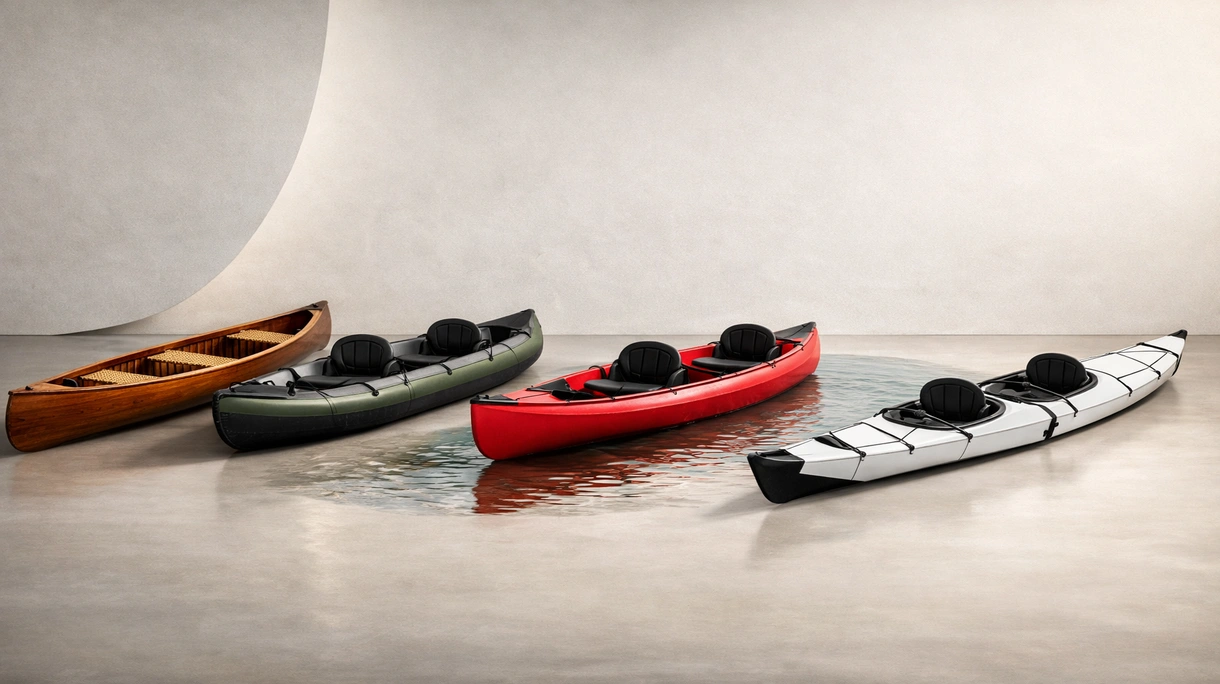
4 Criteria to choose your 2-person canoe
Hull Material Durability
This metric dictates the long-term maintenance cycles and operational lifespan of vessels deployed in abrasive harbor environments.
Maximum Payload Capacity
Proper capacity ratings ensure safe displacement levels when transporting professional equipment and two crew members across choppy waters.
Transportability and Weight
Lightweight hulls reduce the structural strain on davits and cranes during deployment from larger naval or yacht motherships.
Hydrodynamic Hull Efficiency
Optimized hull geometry minimizes drag to improve transit times and reduce physical strain on operators during professional missions.
Available technologies and advantages
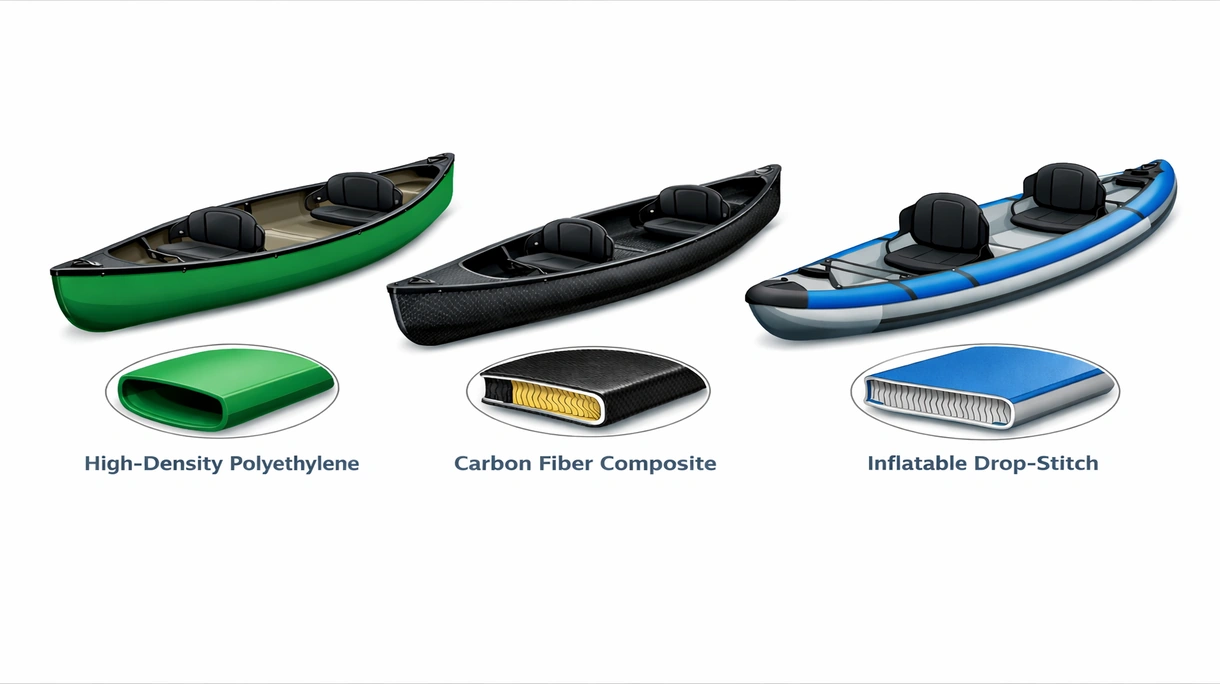
High-density Polyethylene
Rotomolded polyethylene offers unmatched impact resilience compared to fiberglass structures, although it presents significantly higher weight and thermal expansion issues. Advantages include durability; limitations involve mass; trade-offs favor resilience over speed.
Carbon Fiber Composites
Advanced carbon laminates provide the highest stiffness-to-weight ratio available, allowing for rapid acceleration and precision handling in professional racing. Advantages include performance; limitations involve cost; trade-offs require careful handling.
Inflatable Drop-Stitch
Drop-stitch technology utilizes thousands of internal fibers to achieve high-pressure rigidity, offering a portable alternative to traditional rigid hulls. Advantages include storage; limitations involve puncture risks; trade-offs sacrifice frame stiffness.
6 expert tips
Always verify the technical certification to ensure compliance with local building safety standards and long-term durability.
Prioritize rotomolded polyethylene hulls to minimize long term maintenance costs in high frequency rental fleet environments.
Select models with integrated deck mounting hardware for secure storage on yacht swim platforms or crane deployments.
Conduct stability tests with full operational loads to guarantee safety margins for diverse passenger weight distributions.
Evaluate supplier lead times and spare parts availability to prevent operational downtime during peak maritime seasons.
Assess UV resistance ratings of hull coatings to prevent material degradation under intense maritime sunlight conditions.
Innovations and Trends
Integration of flax fibers and bio-resins reduces carbon footprints while meeting strict environmental regulations for inland waterways.
Sectional designs facilitate efficient transport in standard shipping containers or small storage lockers on professional vessels.
Lightweight transom-mounted motors provide zero-emission maneuvering capabilities for research missions in noise-sensitive marine protected areas.
Embedded sensors track usage patterns and impact data to optimize maintenance schedules for large scale commercial fleets.
*Prices are pre-tax. They exclude delivery charges and customs duties and do not include additional charges for installation or activation options. Prices are indicative only and may vary by country, with changes to the cost of raw materials and exchange rates.
About NauticExpo
NauticExpo is a marketplace that offers B2B players a complete experience, from product sourcing to purchase. NauticExpo is an entity of VirtualExpo Group.
Are you a buyer?
Are you a supplier?