
- Home page
- buying guide
- fishing kayak
fishing kayak
fishing kayak: A technical guide
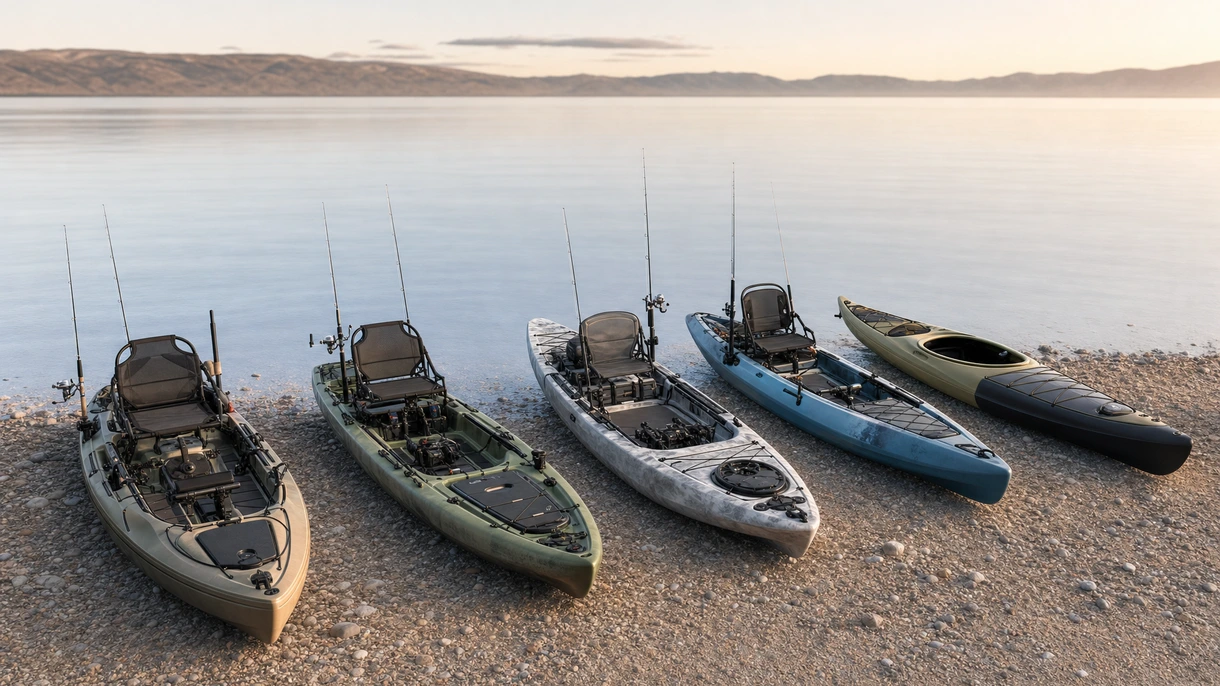
4 Criteria to choose your fishing kayak
Hull Hydrodynamic Efficiency
Optimizing drag coefficients ensures fleet operators reduce transit times between coastal fishing grounds while maintaining primary vessel stability.
Propulsion System Reliability
Pedal or electric drive systems must withstand high salinity exposure to minimize maintenance cycles and operational downtime.
Deck Load Capacity
Procurement managers prioritize high displacement-to-weight ratios to accommodate heavy professional gear without compromising the safety freeboard limits.
Material Structural Integrity
High-density polyethylene or composite construction must resist impact and ultraviolet degradation to ensure a ten-year service life.
Available technologies and advantages
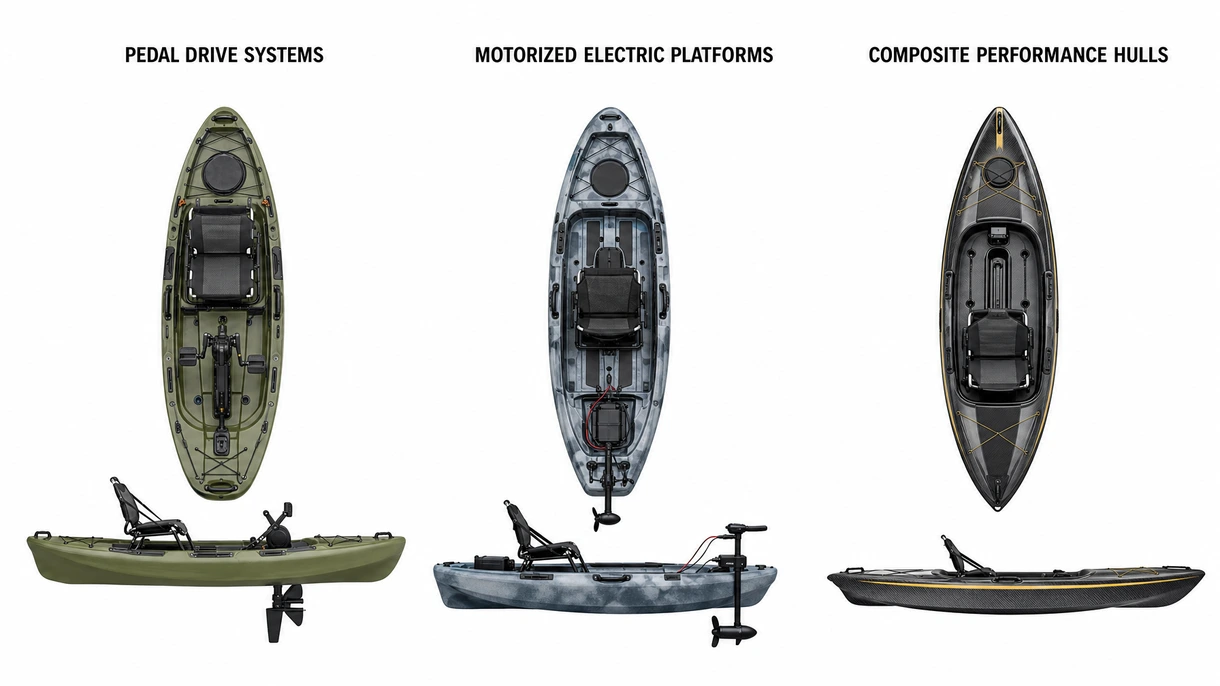
Pedal Drive Systems
Rotational or push-pedal mechanisms utilize underwater flippers or propellers to offer hands-free operation and high maneuverability during coastal fishing operations. Advantages include maintaining position against tides. Limitations involve mechanical complexity. The trade-off centers on higher cost versus improved catch efficiency.
Motorized Electric Platforms
Integrated electric outboards or bow-mounted motors provide consistent torque and GPS-based anchoring capabilities for precise station-keeping in tidal waters. Advantages include reduced physical fatigue. Limitations involve battery weight and charging infrastructure. The trade-off is extended range versus payload reduction.
Composite Performance Hulls
Carbon fiber or fiberglass layups offer superior stiffness and weight reduction compared to traditional rotomolded plastic units for professional speed. Advantages include faster acceleration and easier portage. Limitations involve vulnerability to sharp impacts. The trade-off is premium pricing for performance.
6 expert tips
Prioritize rotomolded polyethylene hulls to ensure maximum durability against coastal abrasion and repeated heavy deployment from motherships.
Select propulsion systems with modular components to allow rapid field repairs and minimize spare part inventory costs.
Evaluate total cost of ownership by analyzing long-term UV resistance ratings and hull structural warranty coverage periods.
Standardize mounting hardware across the fleet to facilitate rapid interchangeability of professional sonar and navigation equipment suites.
Optimize transport logistics by choosing stackable hull designs that maximize shipping container volume efficiency for international distribution.
Always verify the technical certification to ensure compliance with local building safety standards and long-term durability.
Innovations and Trends
High-capacity batteries provide extended operational range and faster recharge cycles for professional rental fleets and charter operations.
Manufacturers are adopting circular economy materials to meet tightening European environmental regulations regarding maritime plastic waste management.
Integrated software allows operators to maintain precise coordinates automatically, significantly increasing productivity during stationary fishing maneuvers.
Standardized mounting systems for side-scan sonar enable rapid integration of sophisticated fish-finding technologies for professional surveying.
*Prices are pre-tax. They exclude delivery charges and customs duties and do not include additional charges for installation or activation options. Prices are indicative only and may vary by country, with changes to the cost of raw materials and exchange rates.
About NauticExpo
NauticExpo is a marketplace that offers B2B players a complete experience, from product sourcing to purchase. NauticExpo is an entity of VirtualExpo Group.
Are you a buyer?
Are you a supplier?