
- Home page
- buying guide
- white-water kayak
white-water kayak
white-water kayak: A technical guide

4 Criteria to choose your white-water kayak
Hull Polymer Impact Resistance
High-density polyethylene ensures structural integrity during high-velocity impacts against submerged river rocks and technical debris in extreme conditions.
Outfitting Ergonomic Safety
Integrated thigh braces and backbands must provide rapid exit capabilities while maintaining precise hull control for professional instructors.
Rocker Profile Performance
Aggressive bow and stern curvature dictates the maneuverability in tight technical rapids versus speed across flat water sections.
Fleet Maintenance Lifecycle
Fleet operators prioritize material UV stability and internal reinforcement durability to minimize replacement cycles for professional rental operations.
Available technologies and advantages
Item 1
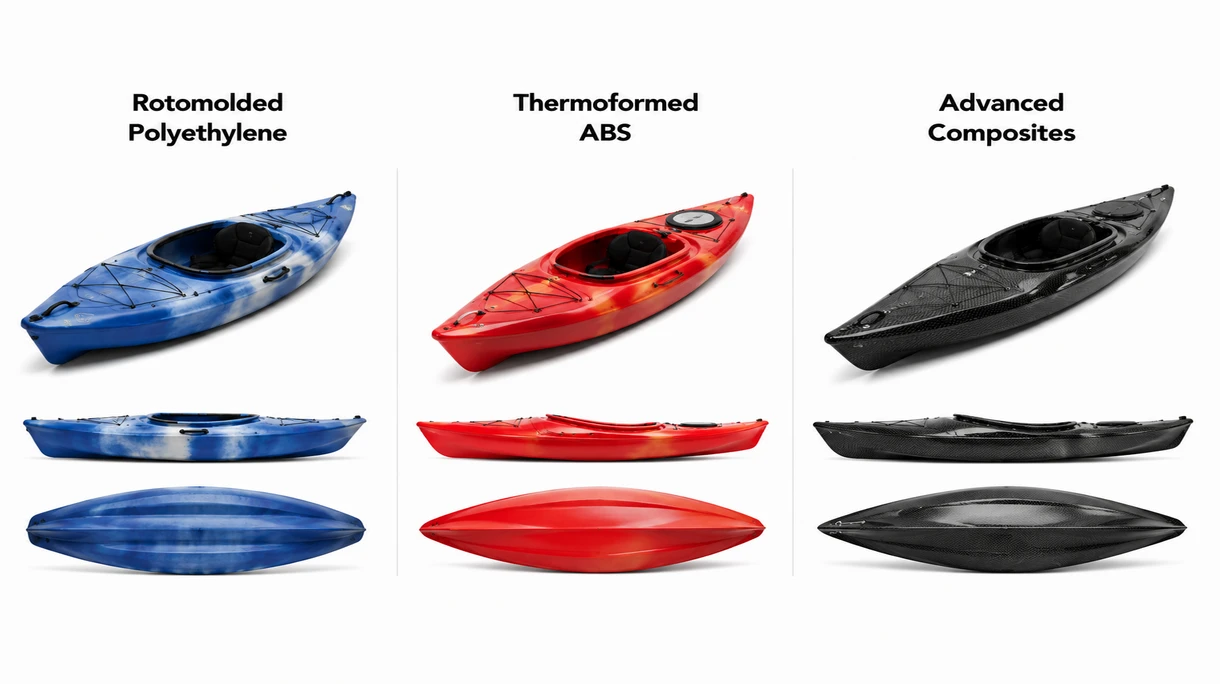
Linear polyethylene offers superior impact absorption compared to composites, though it carries weight penalties. Advantages include durability; limitations include weight; the trade-off favors ruggedness over agility.
Item 2
Vacuum-formed layers provide a lighter alternative to rotomolding with better UV resistance but lower impact tolerance. Advantages include efficiency; limitations involve cost; the trade-off prioritizes speed over impact.
Item 3
Kevlar and carbon fiber maximize stiffness and acceleration for racing but require intensive specialized repair expertise. Advantages include rigidity; limitations involve fragility; the trade-off emphasizes performance over resilience.
6 expert tips
Prioritize cross-linked polyethylene hulls to ensure maximum hull longevity and puncture resistance for high-frequency professional fleet usage cycles.
Select models with standardized replacement parts to streamline inventory management and minimize downtime during peak nautical tourism seasons.
Evaluate drainage system efficiency to guarantee rapid water evacuation and maintain vessel stability during technical white-water navigation maneuvers.
Assess internal bulkhead integrity to provide essential buoyancy and structural reinforcement during pinned recovery operations in hydraulic conditions.
Implement universal cockpit sizing across fleets to simplify spray deck inventory and reduce logistical complexity for maritime operators.
Always verify the technical certification to ensure compliance with local building safety standards and long-term durability.
Innovations and Trends
Recyclable thermoplastic polymers reduce environmental footprints while maintaining the high structural impact resistance required for professional marine environments.
Integrated digital tracking sensors allow fleet managers to monitor usage intensity and schedule preventative maintenance for rental assets.
Computer-aided hull hydrodynamics optimize water displacement for improved stability in high-volume rapids and reduced paddler fatigue during excursions.
Modular internal outfitting systems enable rapid customization for diverse body types without compromising safety or structural hull integrity.
*Prices are pre-tax. They exclude delivery charges and customs duties and do not include additional charges for installation or activation options. Prices are indicative only and may vary by country, with changes to the cost of raw materials and exchange rates.
About NauticExpo
NauticExpo is a marketplace that offers B2B players a complete experience, from product sourcing to purchase. NauticExpo is an entity of VirtualExpo Group.
Are you a buyer?
Are you a supplier?