
- Home page
- buying guide
- passenger boat
passenger boat
passenger boat: A technical guide
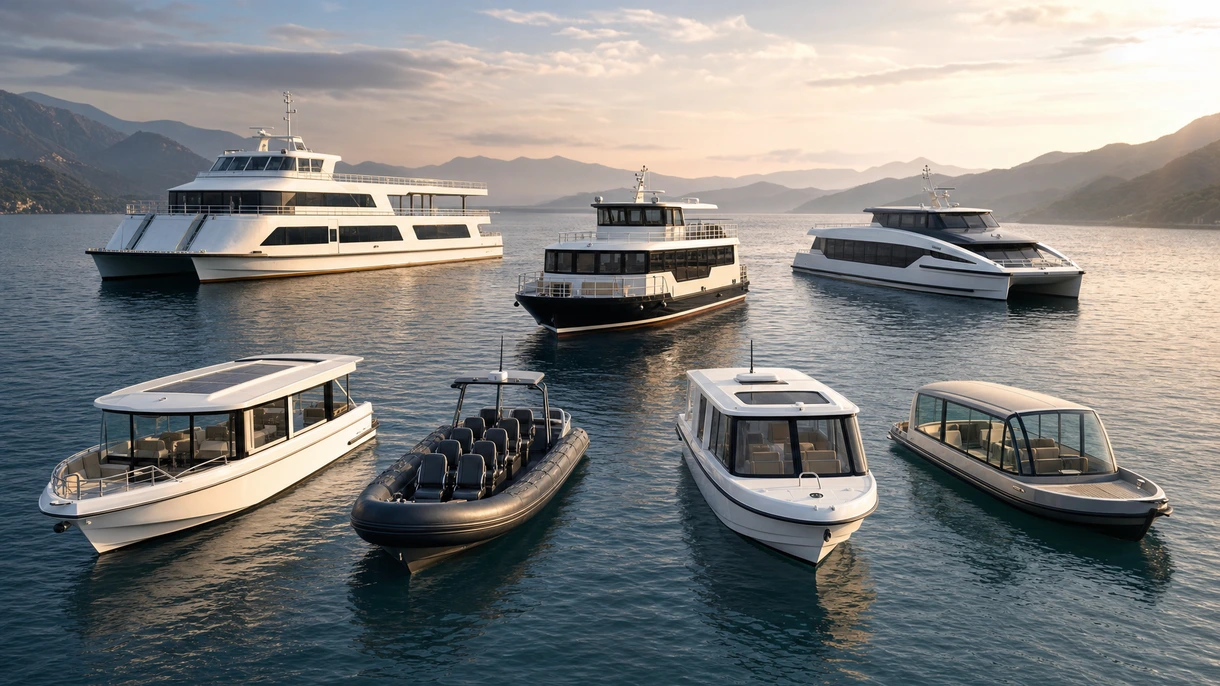
4 Criteria to choose your passenger boat
Certified Stability Standards
High hull stability ensures passenger safety and compliance with strict international maritime regulations regarding buoyancy and damage survival capability.
Operational Fuel Efficiency
Optimizing power-to-weight ratios reduces long-term operating expenses and meets increasingly stringent environmental emission standards for harbor operations.
System Service Accessibility
Modular engine room designs allow rapid maintenance access to critical pumps and power units, reducing expensive vessel downtime.
Structural Load Durability
Marine grade aluminum or composite hulls provide the necessary fatigue resistance required for high-frequency ferry and transport cycles.
Available technologies and advantages
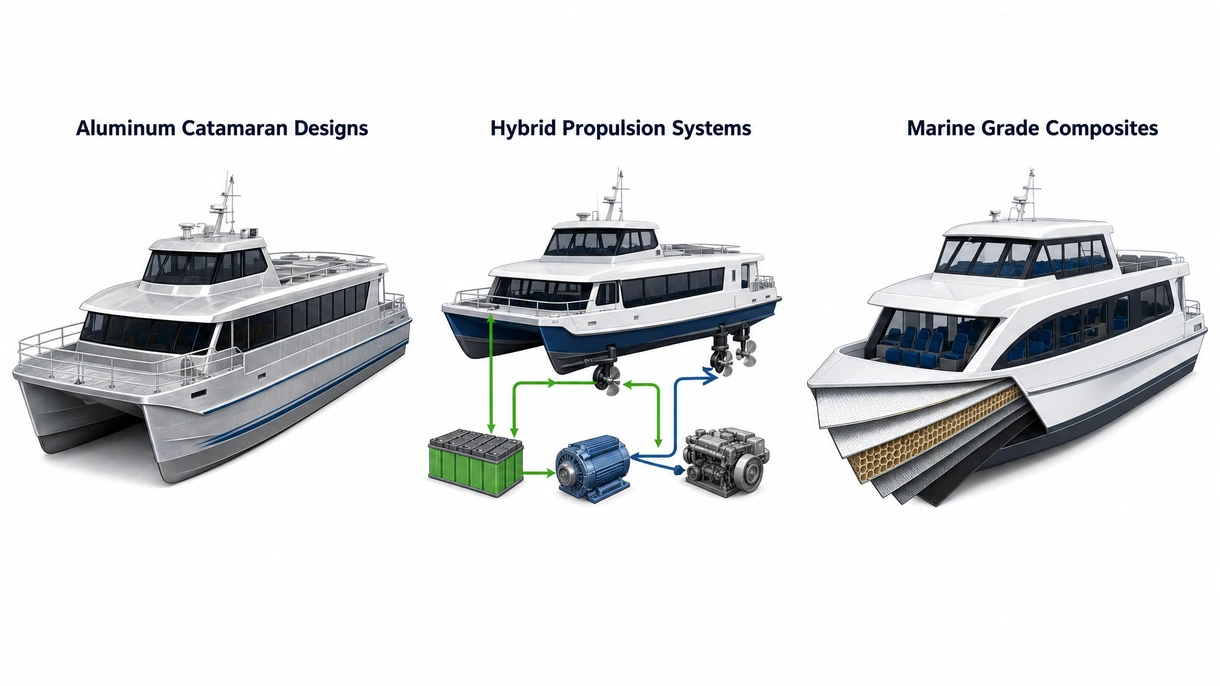
Aluminum Catamaran Designs
Multi-hull configurations offer superior lateral stability and increased deck area compared to traditional monohulls, though they demand higher structural fabrication precision. Advantages include shallow draft and low wake wash, but limited displacement capacity often requires careful weight management strategies.
Hybrid Propulsion Systems
Integrated battery-diesel systems provide zero-emission harbor maneuvering while maintaining long-range diesel capability, outperforming pure electric setups in cross-channel deployments. This technology reduces noise and vibration for passenger comfort, yet introduces higher initial capital expenditure and complex integration requirements.
Marine Grade Composites
Advanced vacuum-infused fiberglass structures offer exceptional strength-to-weight ratios and corrosion resistance, providing a lightweight alternative to heavier steel hulls. While composite hulls minimize maintenance and hull drag, they present challenges for major structural repairs and end-of-life recycling compliance.
6 expert tips
Verify all hull structural certifications against local maritime authority standards to ensure legal compliance and long-term vessel durability.
Analyze lifecycle maintenance costs alongside initial procurement price to determine the true total cost of ownership over decades.
Prioritize modular engine configurations to facilitate future propulsion upgrades as environmental regulations and emission technologies continue to evolve.
Evaluate the passenger boarding flow dynamics to maximize turnaround speed and increase daily operational frequency for higher revenue.
Assess the availability of local technical support and spare parts to minimize catastrophic downtime during peak seasonal operating periods.
Implement comprehensive data logging systems to monitor fuel consumption patterns and optimize route efficiency for immediate operational savings.
Innovations and Trends
Automated foil systems lift hulls above water to reduce drag by forty percent, significantly lowering fuel consumption rates.
Zero-emission hydrogen power modules provide sustainable propulsion for harbor ferries, meeting strict European maritime decarbonization regulatory goals.
Precision sensors and thruster integration allow safer berthing in congested ports, reducing human error and potential hull damage.
Biomimetic non-toxic coatings prevent biofouling without biocides, improving hydrodynamic efficiency and lowering annual maintenance cleaning requirements.
*Prices are pre-tax. They exclude delivery charges and customs duties and do not include additional charges for installation or activation options. Prices are indicative only and may vary by country, with changes to the cost of raw materials and exchange rates.
About NauticExpo
NauticExpo is a marketplace that offers B2B players a complete experience, from product sourcing to purchase. NauticExpo is an entity of VirtualExpo Group.
Are you a buyer?
Are you a supplier?