
- Home page
- buying guide
- motorboat
motorboat
motorboat: A technical guide
4 Criteria to choose your motorboat
Hull Hydrodynamic Efficiency
Maximizing lift and reducing drag directly impacts fuel consumption rates and operational range for commercial or private fleet schedules.
Propulsion System Reliability
Redundant engine configurations and serviceability ensure mission continuity while minimizing costly downtime during peak charter or transport seasons.
Structural Integrity Standards
Compliance with Lloyd’s Register or ABYC standards ensures vessel longevity and high resale value in demanding maritime environments.
Lifecycle Financial Viability
Comprehensive analysis of maintenance cycles, insurance premiums, and fuel burn dictates the long-term financial viability of vessel acquisition.
Available technologies and advantages
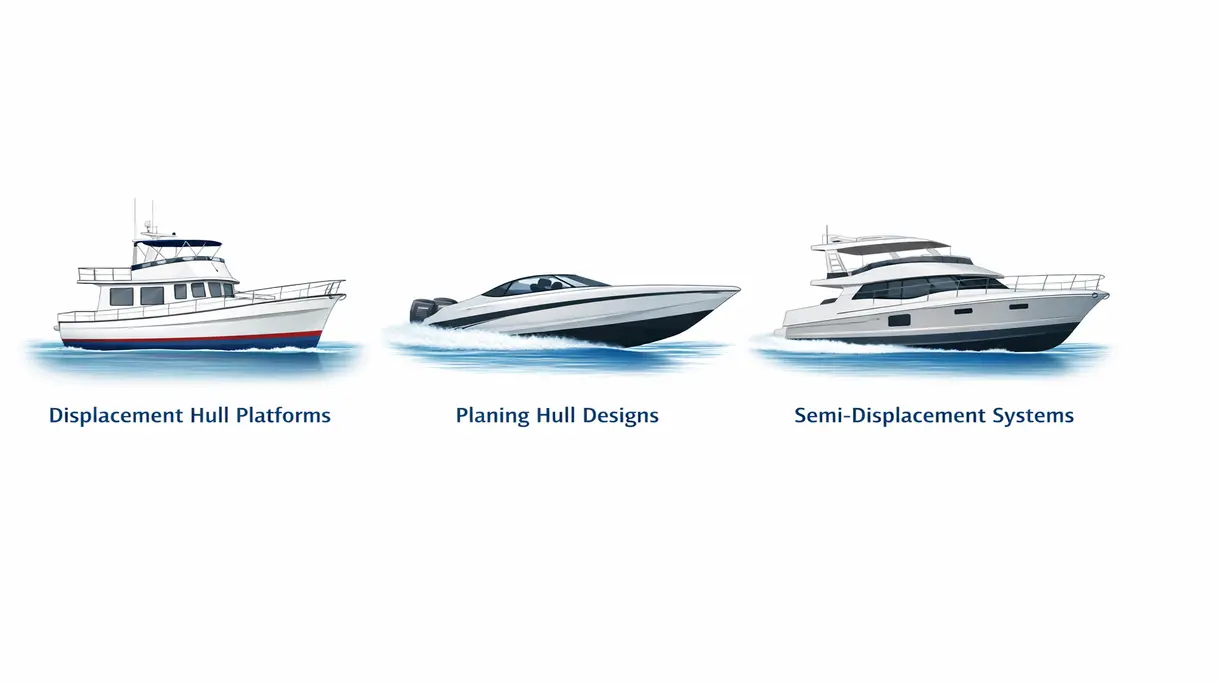
Displacement Hull Platforms
These platforms prioritize stability and range by pushing water aside. They offer superior fuel economy at lower speeds but lack the velocity required for time-sensitive maritime operations.
Planing Hull Designs
Engineered for high-speed transit, these hulls utilize hydrodynamic lift to reduce wetted surface area. High power requirements and fuel consumption at low speeds represent significant operational trade-offs for fleet managers.
Semi-Displacement Systems
Combining characteristics of both hull types, these vessels offer versatile speed ranges. Stability at rest is excellent, though they never achieve the peak efficiency of pure displacement or planing designs.
6 expert tips
Ensure propulsion systems meet Tier III emission standards to future-proof the investment against tightening international maritime environmental regulations.
Always verify the technical certification to ensure compliance with local building safety standards and long-term durability.
Prioritize vessels with integrated telematics to monitor engine health and optimize fuel consumption across the entire maritime fleet.
Conduct comprehensive sea trials under full load conditions to verify stated performance data against real-world operational mission profiles.
Evaluate the availability of local technical support networks to minimize vessel downtime during critical maintenance or repair windows.
Select hull materials based on specific salinity levels and impact risks typical of the intended regional operational theater.
Innovations and Trends
Implementation of zero-emission propulsion systems reduces carbon footprints while meeting the strictest environmental port access regulations worldwide.
Advanced sensor arrays and algorithmic controls minimize human error risks during complex maneuvers in congested marina environments.
Recyclable resins and natural fibers in hull construction address lifecycle sustainability requirements without compromising structural maritime integrity.
IoT sensors provide real-time data to predict component failure and optimize service intervals for increased vessel uptime.
*Prices are pre-tax. They exclude delivery charges and customs duties and do not include additional charges for installation or activation options. Prices are indicative only and may vary by country, with changes to the cost of raw materials and exchange rates.
About NauticExpo
NauticExpo is a marketplace that offers B2B players a complete experience, from product sourcing to purchase. NauticExpo is an entity of VirtualExpo Group.
Are you a buyer?
Are you a supplier?