
- Home page
- buying guide
- rowing boat
rowing boat
rowing boat: A technical guide
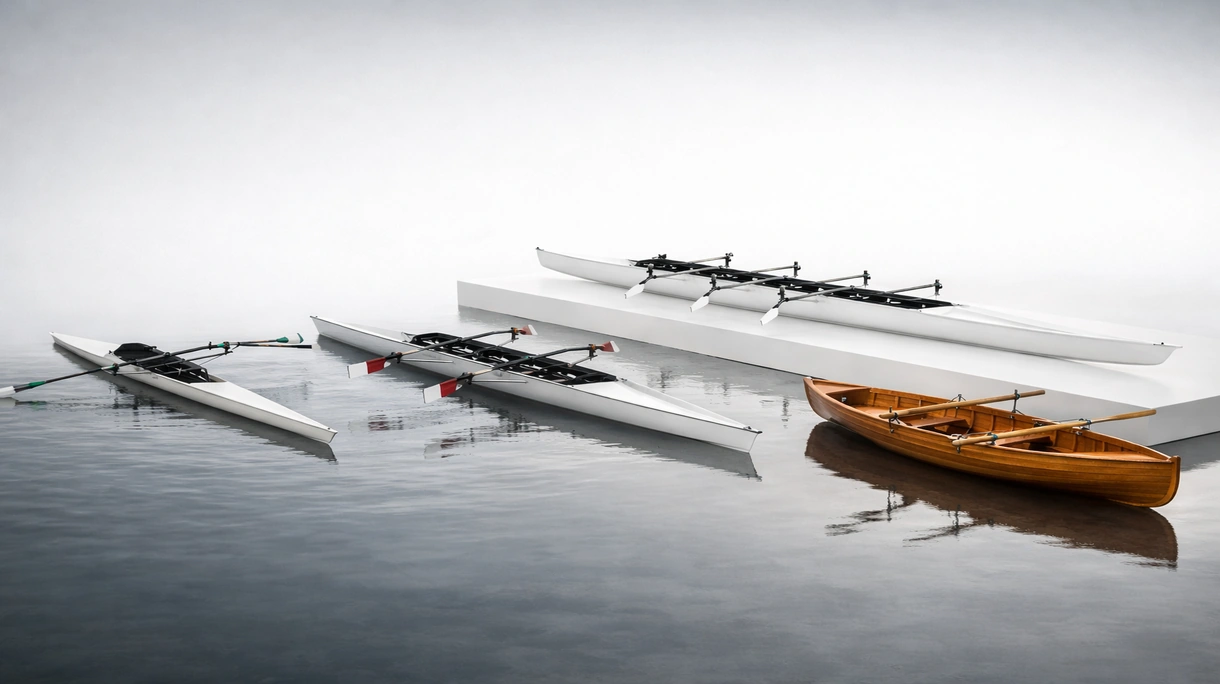
4 Criteria to choose your rowing boat
Hull Material Durability
High-grade composites or marine-grade aluminum ensure longevity against UV degradation and impact during professional shore-to-ship ferry operations.
Hydrodynamic Hull Efficiency
Low-drag profiles reduce crew fatigue while optimizing tracking and speed performance during demanding coastal or harbor patrol missions.
Structural Load Capacity
Reinforced framing must accommodate heavy gear and multiple personnel without compromising freeboard or stability in choppy maritime environments.
Oarlock System Ergonomics
Precision-engineered rowing stations facilitate maximum power transfer and minimize mechanical wear during continuous industrial or recreational fleet utilization.
Available technologies and advantages
Carbon Fiber Monocoque
Ultra-lightweight structures utilizing vacuum-infusion processes provide extreme stiffness and superior power-to-weight ratios for elite performance and racing shells. Advantages include maximum speed and energy transfer. Limitations involve high repair costs and impact vulnerability. The trade-off is extreme performance versus high financial risk.
Rotomolded Polyethylene
High-density polymers molded into single-piece hulls offer extreme impact resistance and zero maintenance for rugged harbor service and training. Advantages include extreme durability and low cost. Limitations involve significant weight and reduced glide. The trade-off is ruggedness versus vessel maneuverability.
Marine Grade Aluminum
Welded aluminum alloys provide structural integrity and resistance to harsh salt environments for utility tenders and professional workboats. Advantages include full recyclability and structural strength. Limitations involve galvanic corrosion risks and noise. The trade-off is long-term longevity versus acoustic comfort.
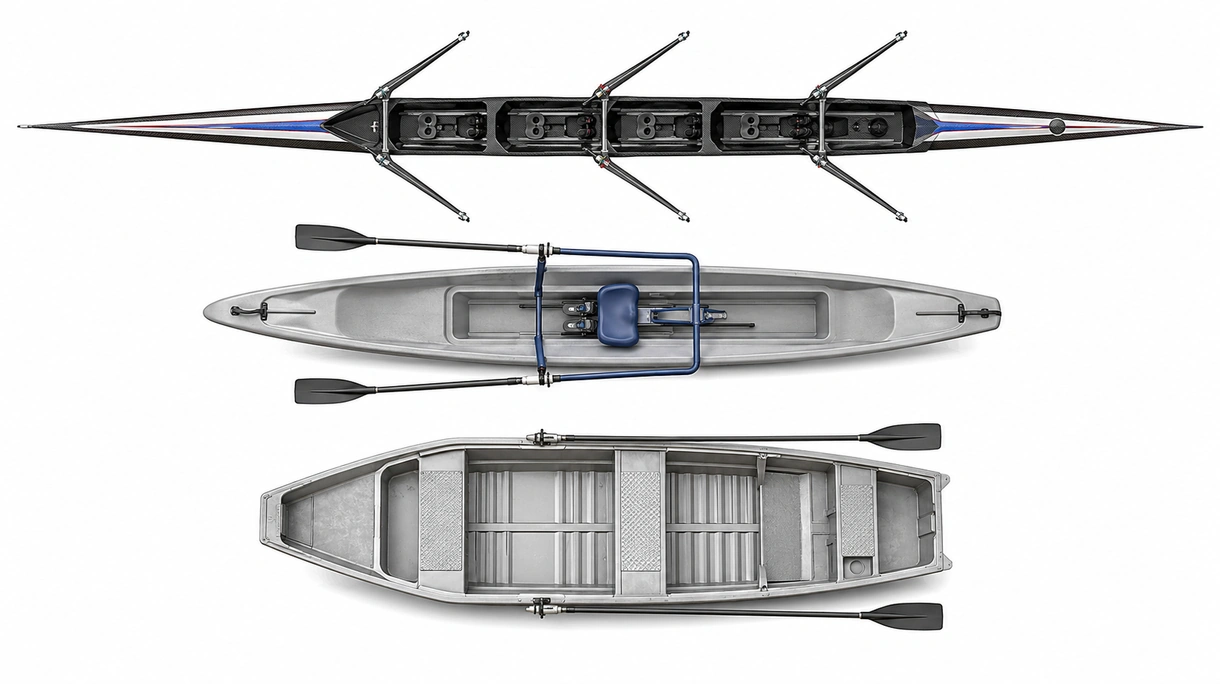
6 expert tips
Prioritize hulls with integrated buoyancy chambers to ensure vessel floatation and crew safety during accidental swamping or heavy weather.
Select high-performance carbon oars to reduce repetitive strain injuries and increase propulsion efficiency for professional rowing fleet operators.
Verify the technical certification to ensure compliance with local building safety standards and long-term durability for harbor operations.
Inspect reinforced transom mounts to accommodate secondary outboard motors for emergency maneuvers and increased operational flexibility in ports.
Evaluate modular seating configurations to allow multi-purpose use between passenger transport and technical equipment haulage in shipyard environments.
Implement standardized oarlock hardware across the entire fleet to simplify maintenance schedules and reduce spare part inventory costs.
Innovations and Trends
These materials reduce environmental footprint while maintaining structural integrity for sustainable shipyard procurement and evolving regulatory compliance standards.
Modern rowing hulls now feature embedded sensors to monitor structural health and optimize maintenance cycles for fleet operators.
Gravity-fed drainage systems improve water clearance and operational safety for professional crews working in high-sea state conditions.
Specialized foil systems significantly reduce hull drag to increase transit speeds and efficiency for high-performance maritime applications.
*Prices are pre-tax. They exclude delivery charges and customs duties and do not include additional charges for installation or activation options. Prices are indicative only and may vary by country, with changes to the cost of raw materials and exchange rates.
About NauticExpo
NauticExpo is a marketplace that offers B2B players a complete experience, from product sourcing to purchase. NauticExpo is an entity of VirtualExpo Group.
Are you a buyer?
Are you a supplier?