
- Home page
- buying guide
- radome antenna
radome antenna
radome antenna: A technical guide
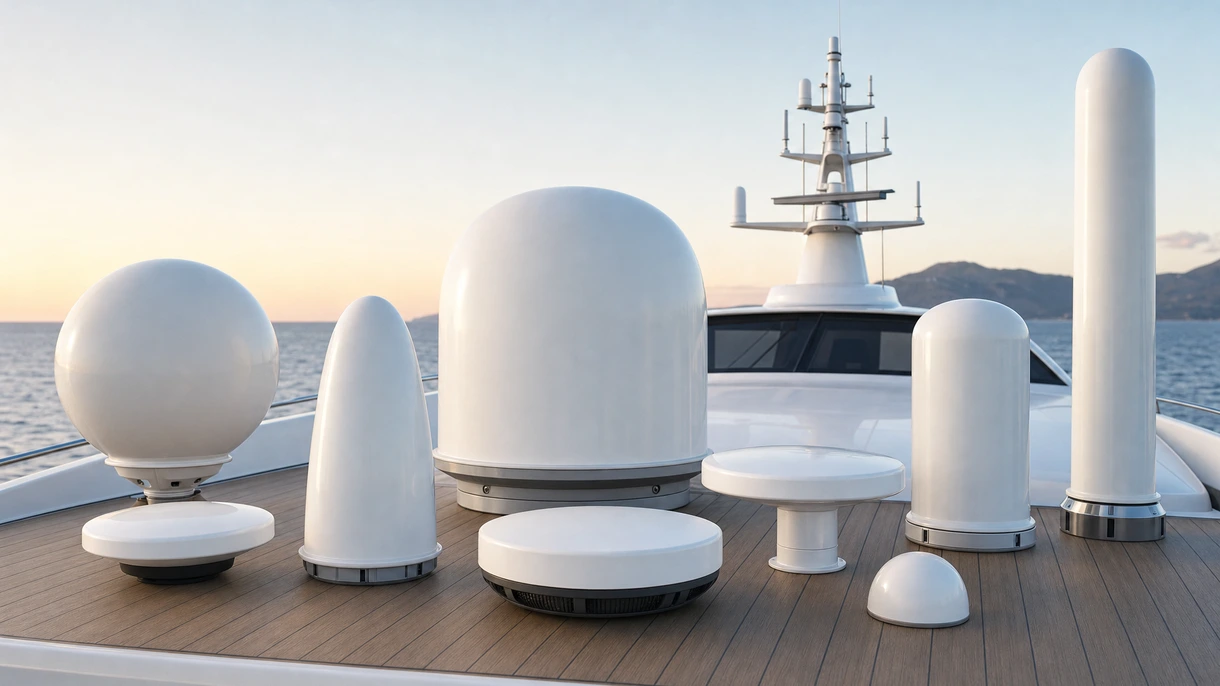
4 Criteria to choose your radome antenna
Target Separation Resolution
Narrow horizontal beamwidths allow deck officers to distinguish between close-range navigation marks and small vessels in congested harbor channels.
Solid-State Reliability
Eliminating magnetrons reduces maintenance downtime and provides instant-on capability without the pre-heating cycles required by traditional vacuum tube systems.
Power Consumption Efficiency
Low-draw solid-state units optimize battery bank longevity for sailing vessels and smaller hulls while maintaining continuous surveillance operational status.
NMEA Connectivity Integration
Seamless protocol synchronization ensures precise radar overlay on electronic charts, facilitating critical collision avoidance decisions during high-speed littoral transits.
Available technologies and advantages
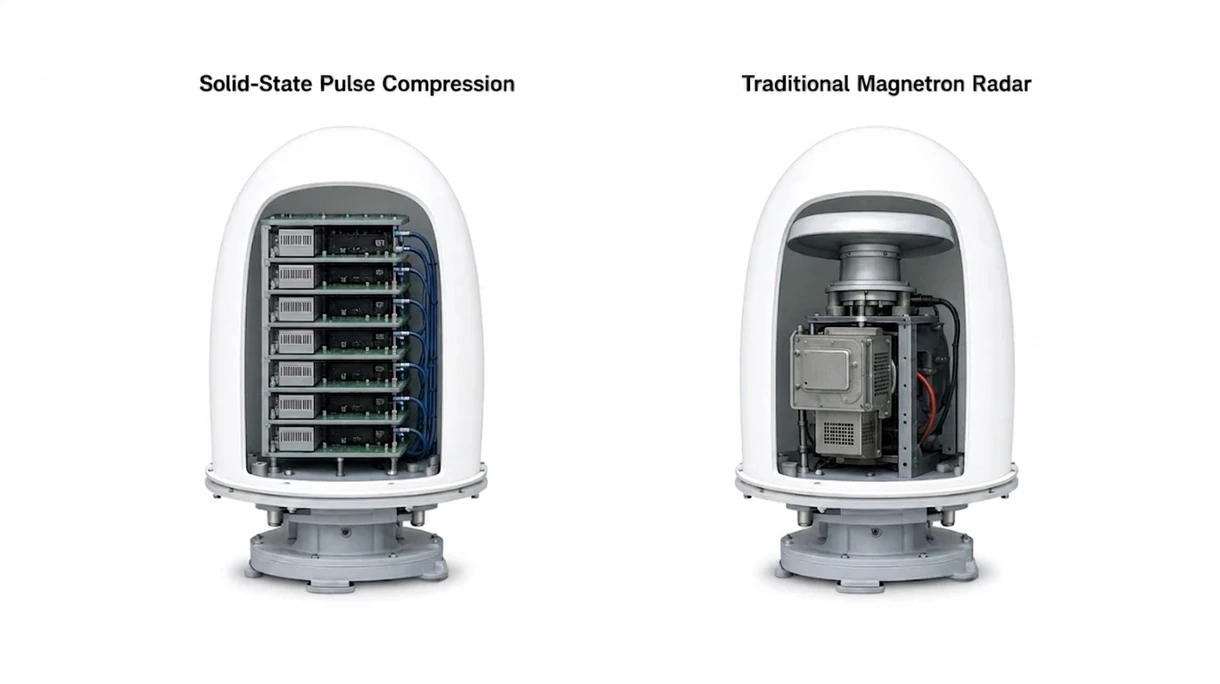
Solid-State Pulse Compression
Advanced digital signal processing replaces high-voltage magnetrons, utilizing low-power chirped pulses to achieve superior high-resolution target detection across all critical maritime navigation ranges.
Operational Trade-offs
Advantages include exceptional short-range clarity and reliability, though initial acquisition costs remain higher than traditional magnetron-based marine systems.
Traditional Magnetron Radar
Time-tested vacuum tube technology delivers high peak power outputs for long-range detection of distant weather fronts, coastal landmasses, and large steel vessels.
System Limitations
These systems offer lower upfront costs but suffer from shorter component lifespans and significant warm-up times before becoming fully operational.
6 expert tips
Prioritize pulse compression units to ensure high-resolution target separation for vessels navigating through dense commercial traffic or narrow channels.
Verify NMEA two thousand compatibility to facilitate seamless data integration between the radar unit and existing bridge multi-function displays.
Assess the antenna beamwidth specifications to guarantee precise detection of small fiberglass hulls or low-profile navigational buoys in chop.
Select radomes with high rotational speeds to improve refresh rates for high-speed motorboats operating in fast-moving littoral maritime environments.
Evaluate the standby power draw to minimize unnecessary battery drainage on sailboats during long-distance blue water offshore passage making.
Always verify the technical certification to ensure compliance with local maritime safety standards and long-term durability.
Innovations and Trends
Real-time color-coding of moving targets improves situational awareness by instantly identifying potential collision risks during complex harbor maneuvers.
Scanning two different ranges at once allows bridge officers to monitor nearby obstacles while tracking distant weather fronts simultaneously.
Compact eighteen-inch radomes now deliver target resolution previously only available in much larger open-array systems for smaller professional craft.
Modern solid-state radomes significantly lower radiation hazards, allowing safer installation locations on crowded superyacht masts or commercial wheelhouses.
*Prices are pre-tax. They exclude delivery charges and customs duties and do not include additional charges for installation or activation options. Prices are indicative only and may vary by country, with changes to the cost of raw materials and exchange rates.
About NauticExpo
NauticExpo is a marketplace that offers B2B players a complete experience, from product sourcing to purchase. NauticExpo is an entity of VirtualExpo Group.
Are you a buyer?
Are you a supplier?