
- Home page
- buying guide
- hard-top yacht
hard-top yacht
hard-top yacht: A technical guide
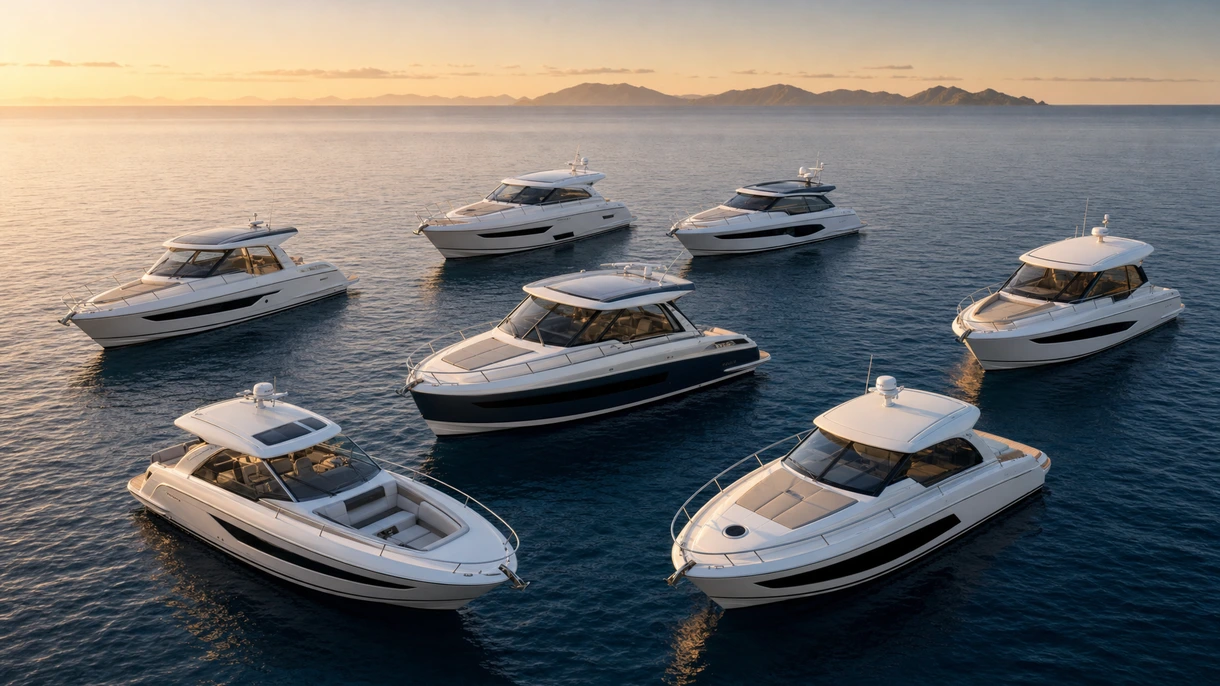
4 Criteria to choose your hard-top yacht
Structural Torsional Rigidity
Essential for maintaining hull integrity and preventing gelcoat cracks during high-speed navigation in offshore conditions across variable sea states.
Thermal Insulation Efficiency
Hard-top composite density determines HVAC load requirements, directly impacting fuel consumption and onboard climate control stability in tropical climates.
Integrated Drainage Systems
Precision engineering of internal pillars ensures rapid water evacuation, preventing deck flooding and preserving electronic equipment during heavy rain.
Weight Distribution Balance
Low-profile hard-top designs minimize vertical center of gravity shifts to ensure superior stability and optimal fuel efficiency during cruising.
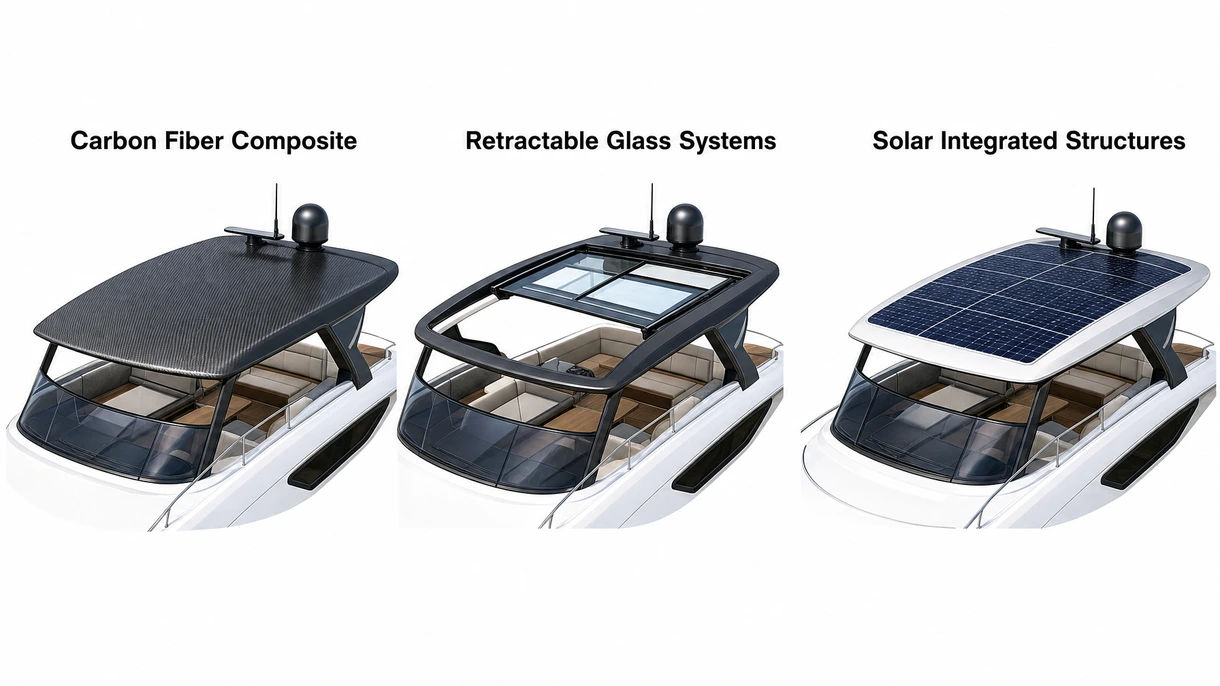
Available technologies and advantages
Carbon Fiber Composite
These lightweight structures utilize vacuum-infusion processes to offer exceptional strength-to-weight ratios compared to traditional fiberglass builds found in yachting.
Carbon Fiber Composite
Advantages include reduced displacement and increased stability, while limitations involve higher production costs and complex repair procedures for maritime operators.
Retractable Glass Systems
Electrically actuated glass panels integrate into the structure to provide climate flexibility and natural ventilation for the main deck during transit.
Retractable Glass Systems
Benefits include immediate environmental adaptability, but trade-offs involve increased mechanical maintenance requirements and significant structural weight additions for owners.
Solar Integrated Structures
Photovoltaic cells are laminated into the hard-top surface to provide sustainable energy for auxiliary onboard hotel load systems and electronics.
Solar Integrated Structures
This technology reduces generator run-time and carbon emissions, yet remains limited by panel efficiency and high initial capital expenditure.
6 expert tips
Prioritize hard-top structures built with infused carbon fiber to reduce displacement and improve the vessel’s overall fuel economy performance.
Evaluate the mechanical reliability of retractable roof mechanisms to ensure continuous operation in corrosive and high-salinity maritime environments.
Always verify the technical certification to ensure compliance with local building safety standards and long-term durability.
Select integrated lighting and thermal protection systems that minimize heat transfer to reduce the energy demand of onboard HVAC.
Analyze the structural mounting points for satellite communication domes to prevent vibration interference during high-speed transit in rough seas.
Assess the accessibility of drainage channels for maintenance personnel to prevent water ingress and oxidation of critical deck components.
Innovations and Trends
Utilizes electrochromic technology to adjust transparency, reducing solar heat gain by forty percent for efficiency.
Utilize computational fluid dynamics to minimize drag and reduce fuel consumption by five percent annually.
Replaces traditional plasticizers in hard-top manufacturing to meet evolving European maritime sustainability and environmental regulations.
Embedded within composite layers provide seamless connectivity without compromising the vessel's streamlined aerodynamic aesthetic profile.
*Prices are pre-tax. They exclude delivery charges and customs duties and do not include additional charges for installation or activation options. Prices are indicative only and may vary by country, with changes to the cost of raw materials and exchange rates.
About NauticExpo
NauticExpo is a marketplace that offers B2B players a complete experience, from product sourcing to purchase. NauticExpo is an entity of VirtualExpo Group.
Are you a buyer?
Are you a supplier?